





Vintage Rose Brooch
A vintage rose brooch brings together floral motifs and centuries of precious metalwork, offering an elegant focal point for lapels and collars.
Vintage Rose Brooch
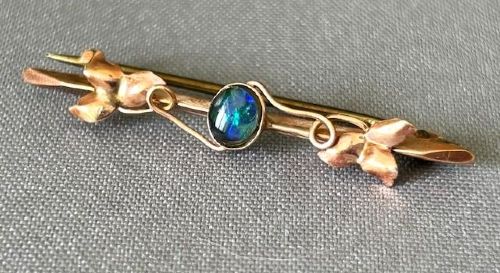
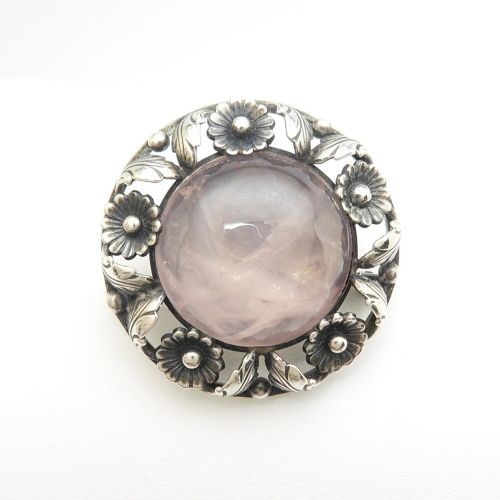
A vintage rose brooch is a wearable piece of jewellery designed around floral themes, frequently taking the form of clusters, swallow bars, or crescent shapes. When searching for a vintage rose brooch, buyers encounter examples spanning from the Georgian era through the Edwardian period and into the 1930s.
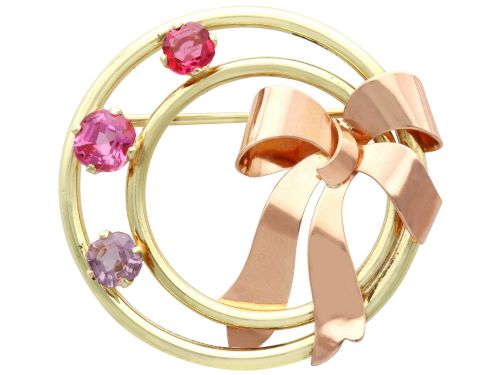
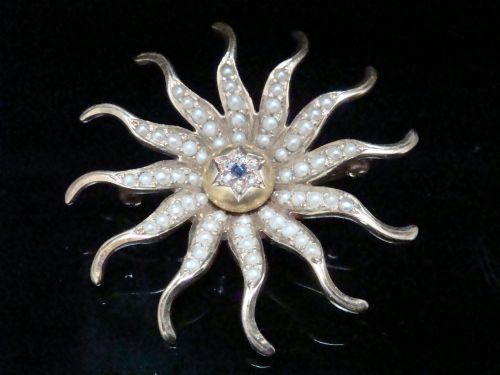
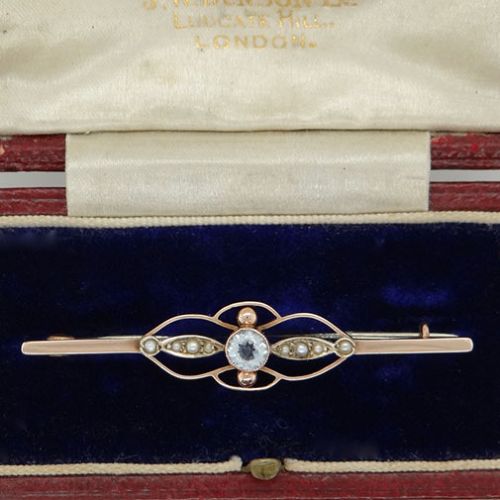
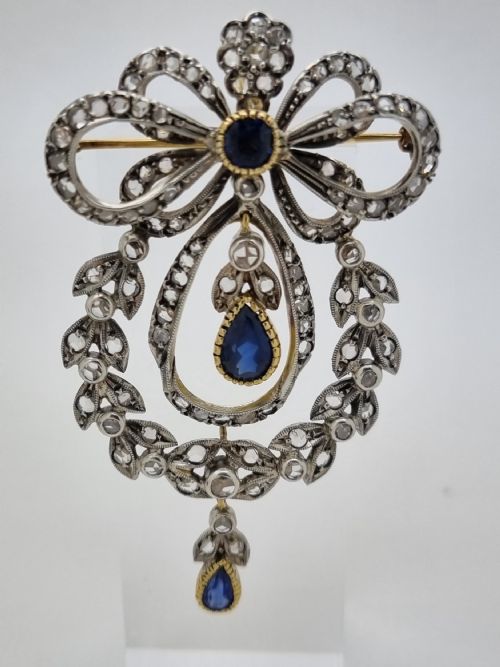
The selection ranges from delicate bar brooches set with aquamarine and pearl to substantial pendants and brooches combining rose gold, diamonds, and rubies. Many pieces double as pendants, offering versatile wear across different garments and occasions.
Materials and construction methods
Goldsmiths constructed these pieces using varied alloys including nine-carat and eighteen-carat rose gold, yellow gold, and platinum. Settings often incorporate silver-topped gold, a traditional technique used to enhance the brilliance of diamonds.
Gemstone selection defines the period character, with rose-cut diamonds, seed pearls, sapphires, opals, and spinels secured in claw or bezel settings. Makers shaped metals into intricate swirls, starbursts, and triple-leaf formations.
Vintage Rose Brooch Retail Price Guide 2026
Typical asking prices for vintage rose brooch among the pieces listed under this phrase on Sellingantiques today, from the lower quarter to the upper quarter. They describe what is for sale here now, not the wider market.
Swallow motifs fluttered across Edwardian lapels to symbolise loyalty and safe return home.
Distinguishing quality in period jewellery
The standard of craftsmanship relies on the precision of the stone setting and the delicacy of the metalwork. Master jewellers balanced substantial gemstone weights with fine, balanced mounts that appeared light while remaining secure.
Design complexity and the integration of multiple precious materials, such as combining platinum with rose gold or pairing spinels with rose-cut diamonds, separate standard workshop pieces from high-end jewellers.
Tiffany and Co·Cartier
The Vintage Rose Brooch Glossary
- Rose-cut diamond
- A historic diamond cut featuring a flat base and a domed crown with triangular facets that resemble an unopened rosebud. This style produces a soft, shimmering reflection rather than the intense brilliance of modern cuts.
- Bar brooch
- A slender horizontal pin featuring a central decorative cluster or gemstone arrangement. These pieces were particularly popular during the Edwardian era for securing delicate fabrics.
- Jabot pin
- A decorative pin originally designed to fasten folds of fabric on traditional neckwear. In period jewellery, these often feature elongated pins with prominent terminal ornaments.
- Skinsvirke
- A Danish decorative art style associated with early twentieth-century silverwork. Pieces from this movement emphasise organic forms and fine craftsmanship.
- Crescent brooch
- A curved jewellery format shaped like a crescent moon, frequently embellished with graduated diamonds, pearls, or coloured gemstones. This form remained fashionable across multiple decades from the Victorian period onwards.
Vintage Rose Brooch: Frequently Asked Questions
How should I wear a vintage brooch safely?
Secure the pin through a sturdy weave of fabric, or use a backing protector to prevent loss during wear.
Heavier pendant-brooch combinations work best on thick woollens, while lighter bar brooches suit silks and fine cottons.
What periods do these brooches come from?
The available selection spans from Georgian and Victorian times through the Edwardian and Belle Époque eras into the 1920s and 1930s.
Each decade introduced distinct design shifts, moving from dark foiled stones to airy platinum and rose gold settings.
Can these brooches be worn as pendants?
Many pieces feature hidden loops or folding Bails that allow the brooch frame to hang from a chain.
This dual functionality was common in Edwardian and early twentieth-century jewellery design.
How do I identify rose-cut diamonds?
Rose-cut stones lack a pointed pavilion and instead feature a flat bottom beneath a domed, multi-faceted top.
They offer a subtle, candlelit sparkle characteristic of antique jewellery before the invention of modern brilliant cutting.