


Vintage Rocking Chair
A vintage rocking chair brings gentle motion and deep character to a room, ranging from robust country windsors to elegant bentwood designs.
Vintage Rocking Chair
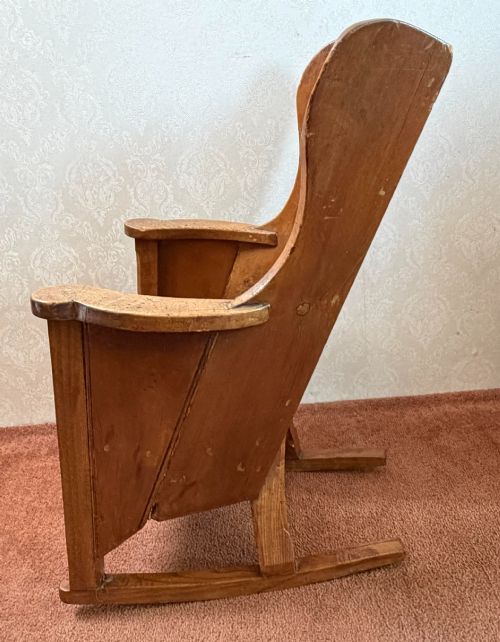
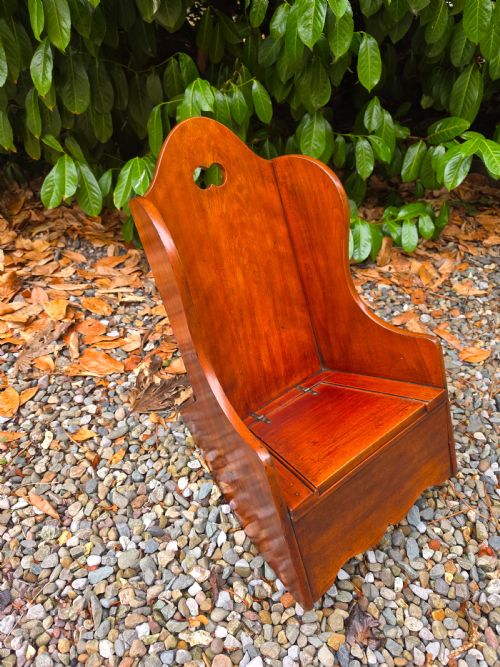
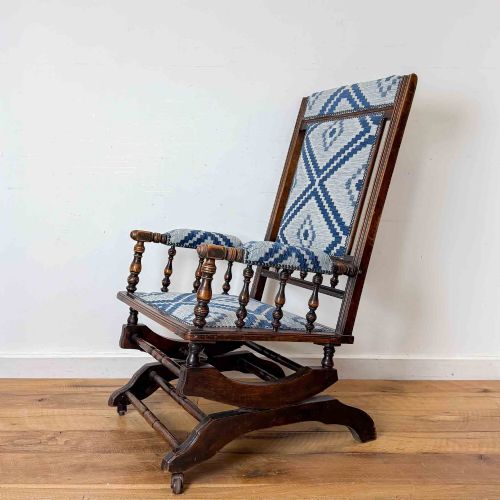
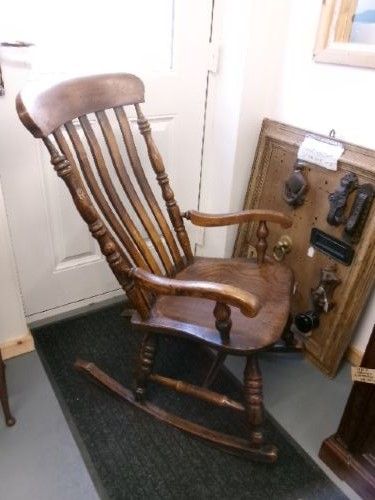
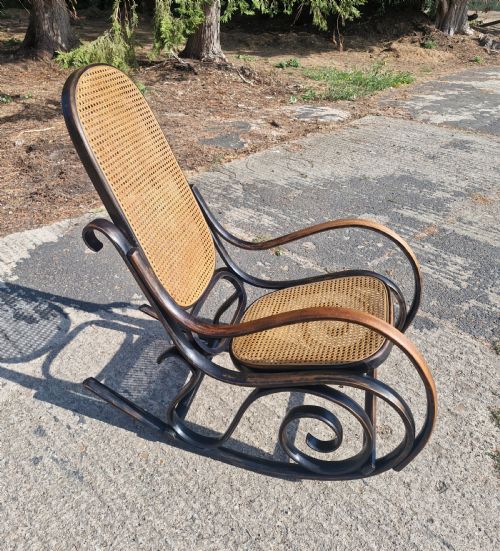
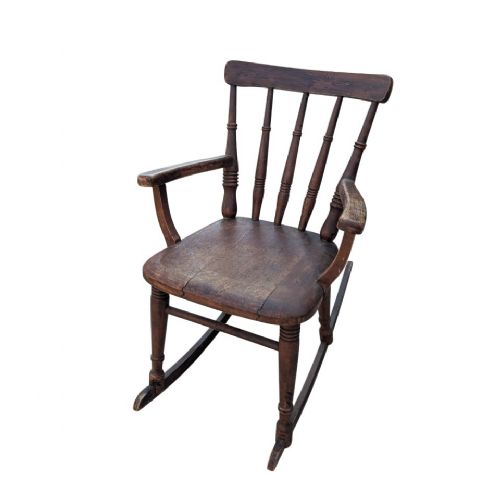
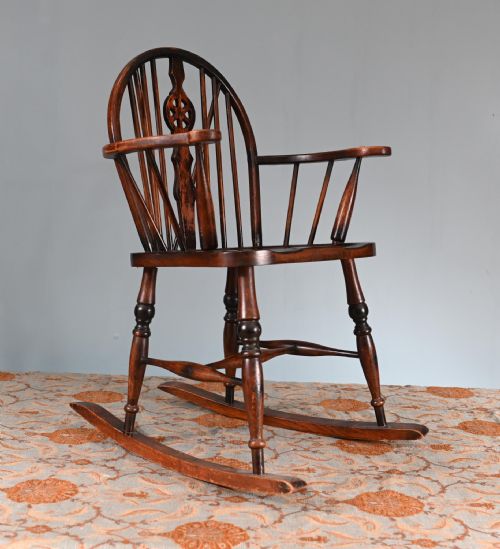
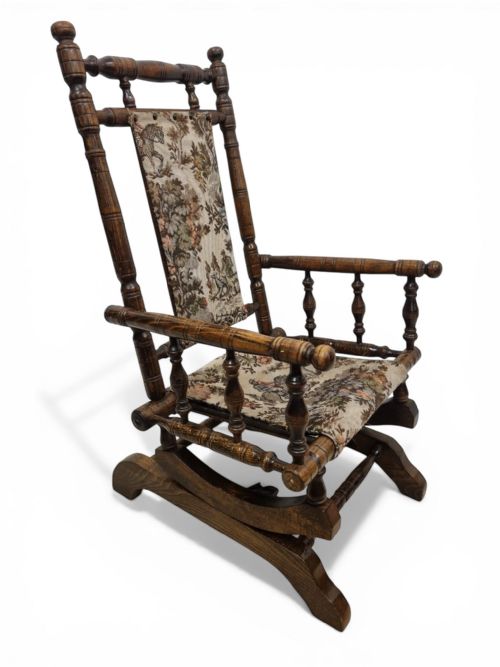
A vintage rocking chair search reveals a diverse group of seating spanning the nineteenth and twentieth centuries, encompassing both full-sized armchairs and smaller children's variants. You will frequently encounter robust regional windsors, country vernacular pieces, and lighter bentwood creations.
The materials reflect traditional cabinet-making and bodging traditions, utilising solid timbers alongside occasional iron, brass, and rush or leather upholstery. Makers ranged from rural vernacular joiners to industrial bentwood workshops across Europe and America.
How these chairs were constructed
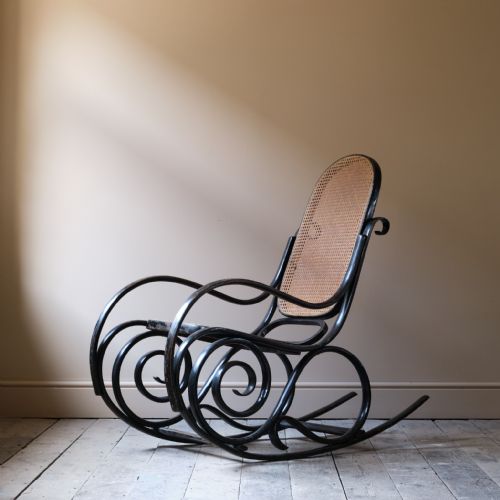
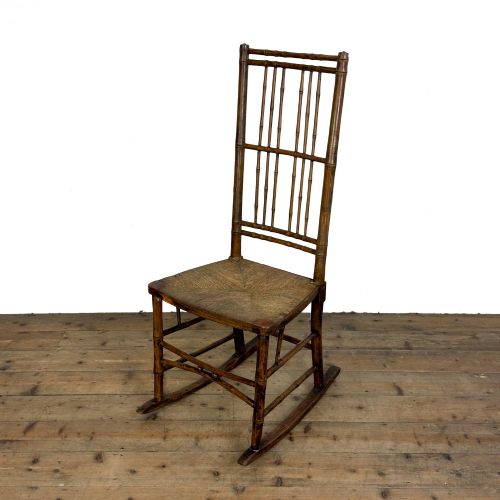
Construction relies heavily on traditional solid timbers such as beech, oak, elm, and fruitwood, shaped into spindle backs, ladder backs, and wheelback motifs. Steam-bending techniques permitted the sweeping, curved profiles seen in bentwood and faux bamboo models.
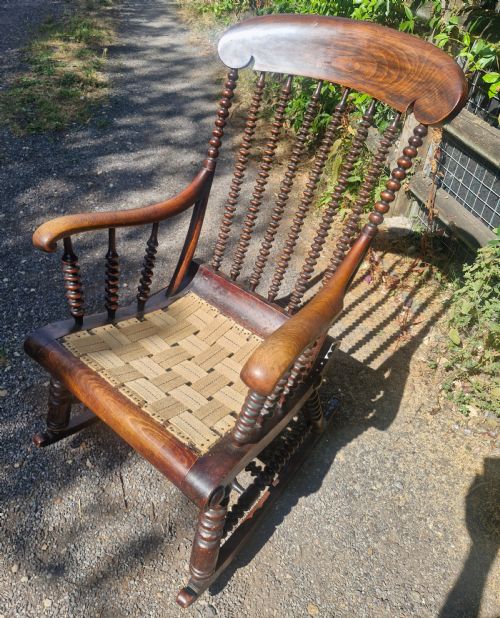
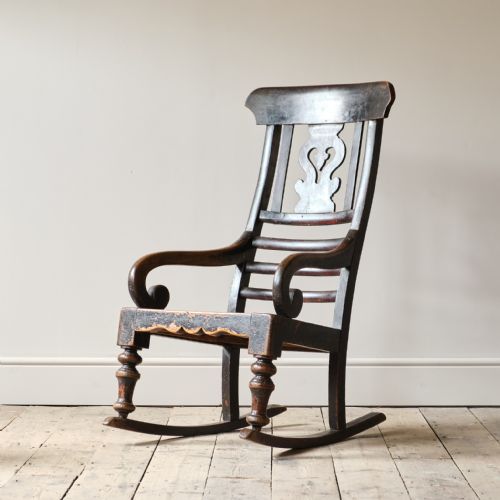
Joinery includes turned bobbin framing, pegged joints, and Windsor construction where legs and spindles are wedged directly into a solid wooden seat. Surface finishes range from natural polished wood and ebonised treatments to surviving original paint.
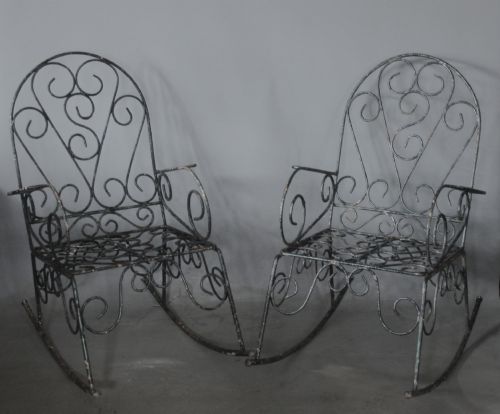
Even iron garden rockers needed a gentle sway.
What separates the tiers of quality
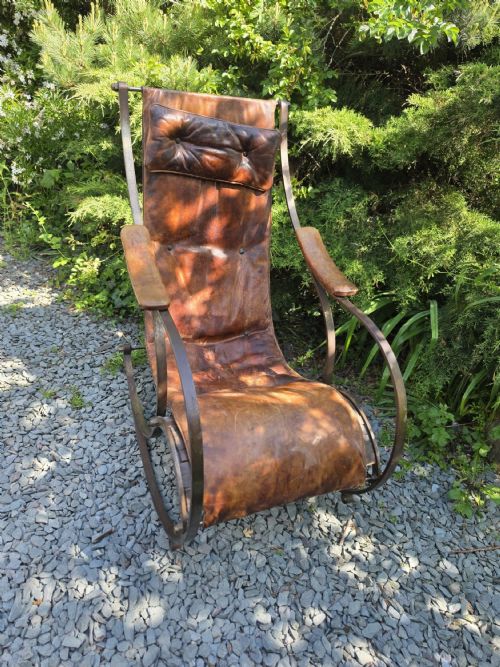
Quality rests upon the integrity of the timber, the fluidity of the turning, and the survival of original surface finishes like old paint or patinated leather. Provincial vernacular pieces derive their appeal from honest, robust construction and sculptural regional quirks.
Sophisticated design execution, such as complex steam-bent Vienna Secession forms or fine mahogany inlay, elevates certain examples above utilitarian farm chairs. The balance between the rocker arc and the rake of the back determines both comfort and visual poise.
Jacob and Josef Kohn
The Vintage Rocking Chair Glossary
- Windsor
- A chair built with a solid wooden seat into which the legs and back spindles are separately bored and wedged. This technique creates a sturdy and enduring frame common in country vernacular seating.
- Bentwood
- Wood softened by steam or boiling water and then forced into curved shapes using metal straps and moulds. This process produces lightweight, elastic frames typical of late nineteenth and early twentieth-century seating.
- Bobbin
- Turned furniture framing characterised by a series of rounded, spool-like swellings carved along the length of the wood. It was particularly favoured in nineteenth-century vernacular and artistic domestic interiors.
- Vernacular
- Objects made by regional craftsmen following local traditions and available materials rather than formal academic pattern books. These pieces often display charming deviations from standard urban styles.
Vintage Rocking Chair: Frequently Asked Questions
How do I identify an older vintage rocking chair?
Examine the construction methods, tool marks, and timber shrinkage to gauge age. Hand- turned spindles and traditional pegged joinery usually point toward nineteenth-century or earlier craftsmanship.
Compare the silhouette against known regional vernacular styles and recorded periods. Original surfaces, such as early paint or patinated leather, also help anchor a piece in its historical era.
Where should I place a rocking chair at home?
These chairs suit quiet corners, bedrooms, or living spaces where their gentle motion and sculptural profiles can be appreciated. Smaller child variants work well displayed on landings or atop sturdy side surfaces.
Ensure there is adequate clearance behind the rockers for a smooth, unimpeded motion. Pairing the chair with a simple reading lamp or a textured textile enhances its domestic utility.
Were rocking chairs used indoors or outdoors?
Most historical rocking chairs were designed for interior domestic comfort, utilising polished hardwoods, upholstery, and delicate bentwood frames. They sat in parlours, nurseries, and farmhouse kitchens.
Occasional examples, such as specific iron garden models, were built to withstand external conditions. Check the material composition, such as wrought iron versus indoor timber, to determine intended placement.