


Vintage Rocker
These vintage rocker selections offer timeless motion, spanning robust wooden forms to delicate brass desk accessories.
Vintage Rocker
A vintage rocker brings traditional motion into domestic spaces through forms ranging from seating to desk accessories. Buyers seek these pieces for their combination of heritage craftsmanship and rhythmic movement.
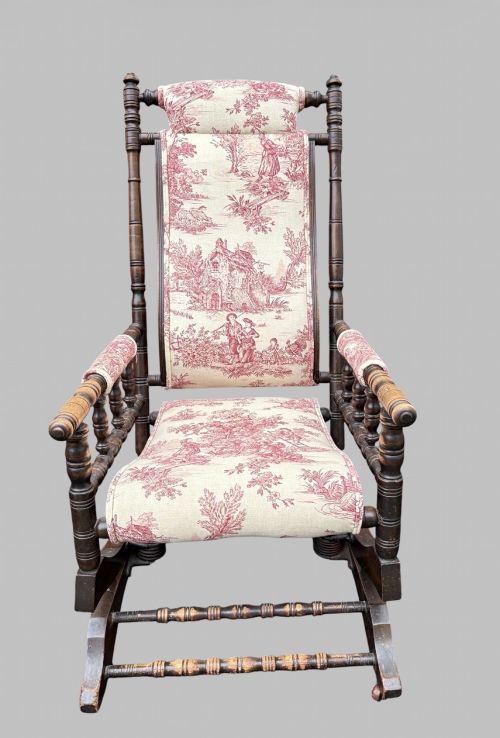
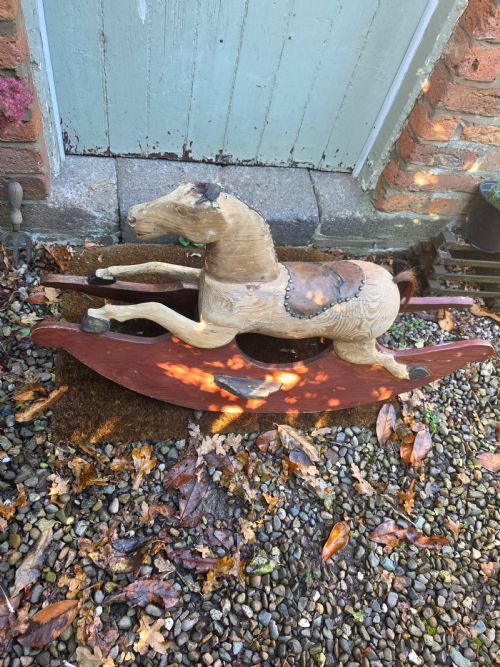
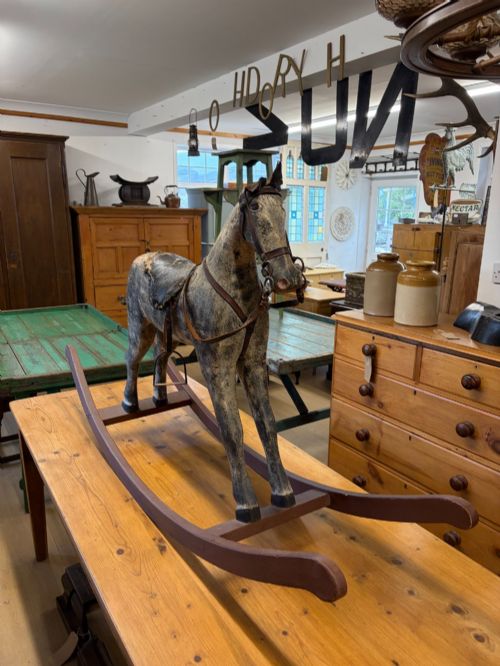
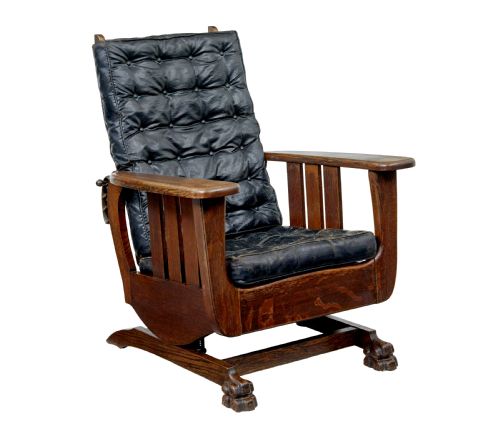
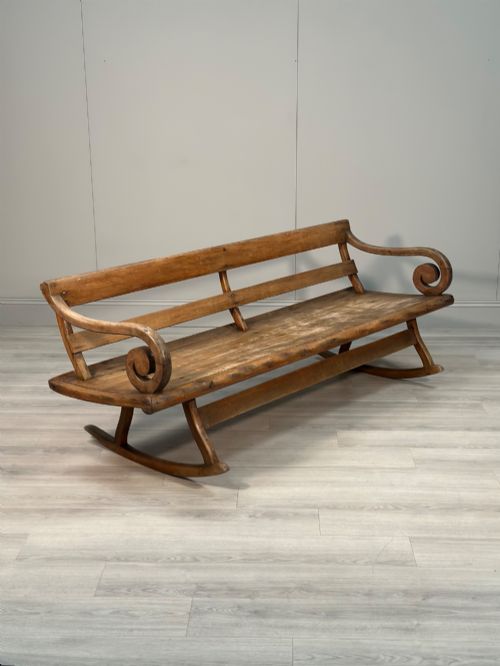
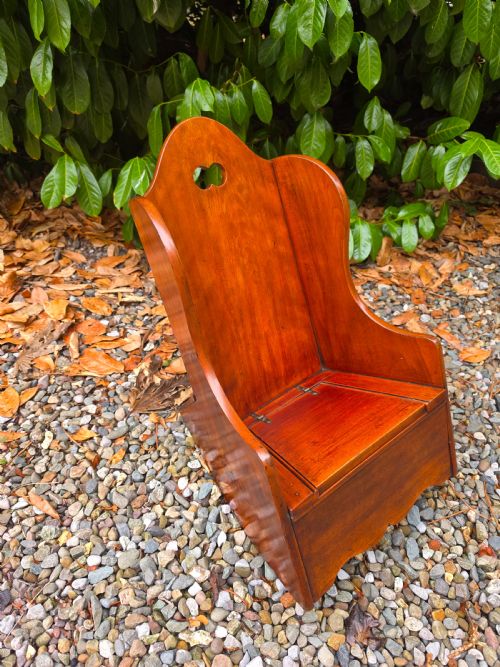
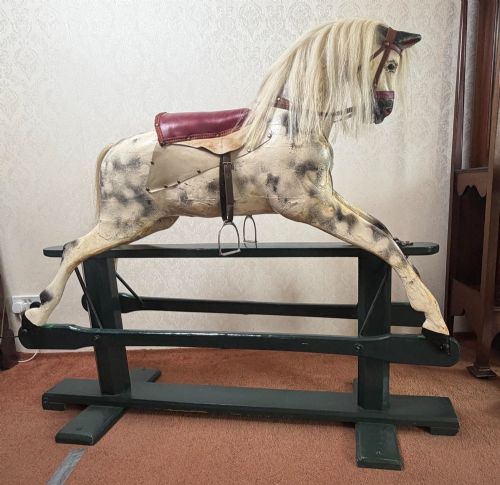
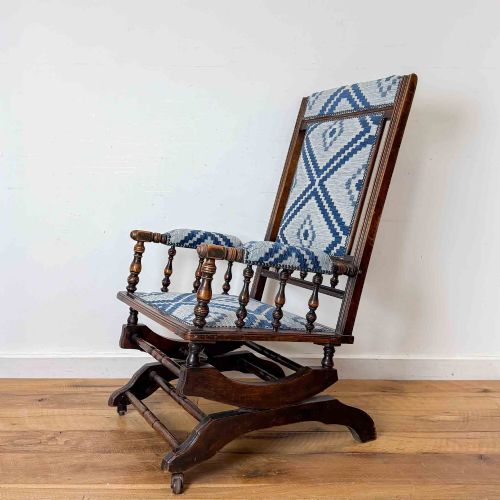
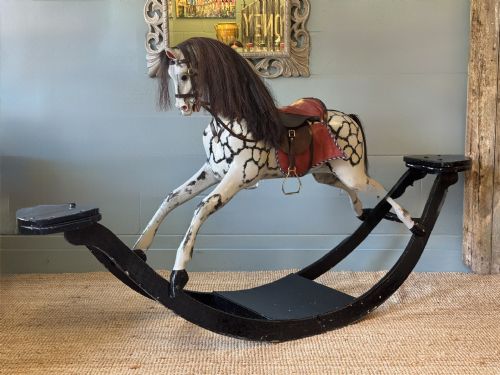
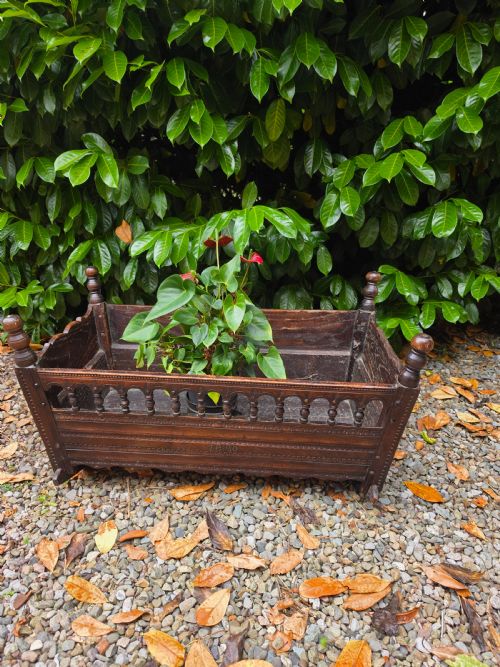
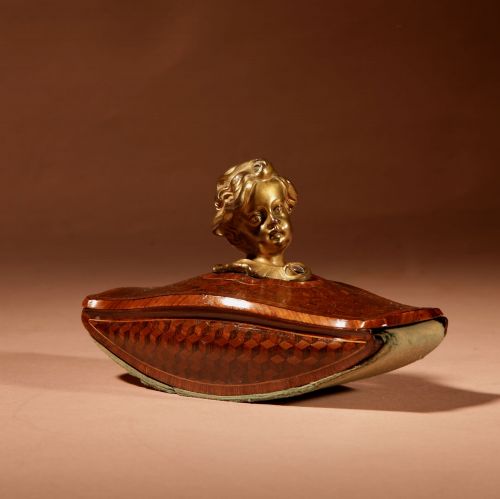
The selections here encompass traditional rocking chairs, children's chairs, rocking horses, and cradles alongside smaller items like desk blotters. These objects bridge the gap between functional furniture and decorative vernacular craft.
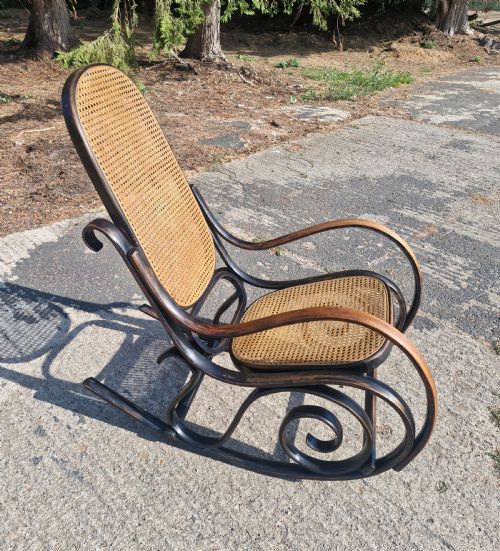
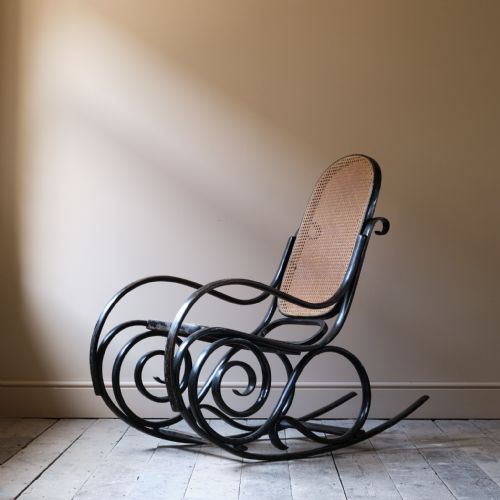
Origins stretch across various periods from the nineteenth century into the twentieth century, taking shape as country house seating, farmhouse chairs, and bentwood designs. Each piece reflects the domestic habits of its specific era and region of manufacture.
Materials and Construction
Wood serves as the primary structural material, utilising oak, beech, elm, pine, and fruitwood to build enduring frames. Craftsmen shaped these timbers using traditional joinery, Windsor spindle techniques, and steam-bent methods.
Surface treatments and upholstery bring distinct character to the construction, utilising original paint, leather inserts, tapestry, and brass detailing. Iron and wrought elements also appear in specific iterations, providing robust support for heavy usage.
Vintage Rocker Retail Price Guide 2026
Typical asking prices for vintage rocker among the pieces listed under this phrase on Sellingantiques today, from the lower quarter to the upper quarter. They describe what is for sale here now, not the wider market.
Factors of Quality
Quality rests upon the integrity of the original frame and the preservation of authentic surface finishes. Pieces retaining their original paint or untouched wood patination command greater interest among collectors.
The refinement of the turning, carving, and joinery distinguishes standard workshop production from finer vernacular or branded execution. Proportional balance and the preservation of original rocking mechanisms dictate the piece's structural success.
Jacob and Josef Kohn·G and J Lines of London·R W Wingfield·Rene Lalique
The Vintage Rocker Glossary
- Bentwood
- Wood softened by steam and bent into curved structural forms. This technique created lightweight, flowing frames common in nineteenth and twentieth-century seating.
- Windsor
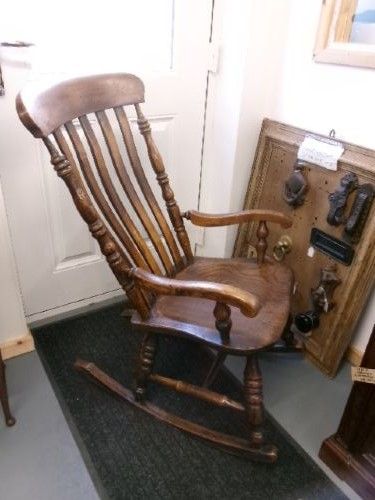
- A chair style featuring a solid wooden seat into which the legs and back spindles are wedged directly. These frames rely on a combination of turned members and steam-bent components.
- Vernacular
- Everyday objects built by local craftspeople using regional materials and traditional designs rather than high-style academic blueprints. These pieces reflect local domestic needs.
- Bobbin
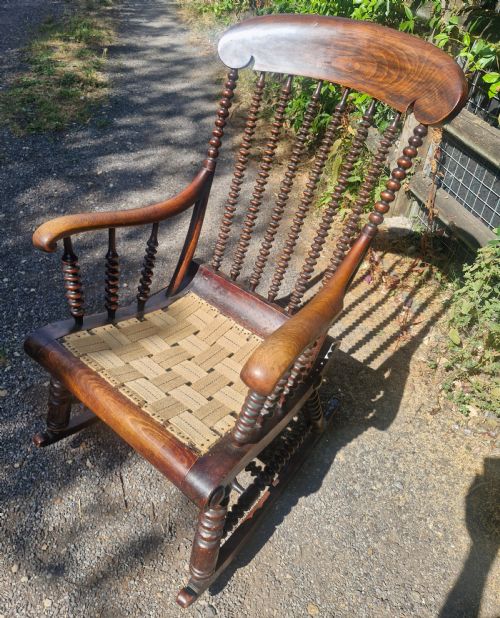
- Furniture framing turned on a lathe to resemble a string of spools or bobbins. This decorative turning style appears frequently on nineteenth-century country seating.
- Settle
- A wooden wooden bench with a high back, solid arms, and enclosed storage or seating base. Some early versions incorporate curved runners to allow gentle movement.
Vintage Rocker: Frequently Asked Questions
How do I date a wooden rocking chair?
Dating relies on examining construction methods, tool marks, and timber choices. Earlier nineteenth-century examples often display hand-turned spindles and joined seats.
Later pieces from the twentieth century utilise steam-bent components or machine-toothed joinery. Comparing the wear patterns on the runners helps confirm age.
What is a vernacular rocking chair?
A vernacular rocker is a piece made by local regional makers without adherence to formal academic design styles. These chairs prioritise functional comfort using locally available timbers like elm, beech, or pine.
They offer an honest reflection of rural domestic life.
Are bentwood rockers comfortable?
Bentwood rockers utilise steam-bent frames that provide natural spring and flexibility to the seated user. The curved wooden elements absorb movement effectively.
Many incorporate cane or upholstered inserts for added support.
How do I care for original paint finishes?
Original painted surfaces require protection from direct sunlight and excessive moisture to prevent flaking. Dust gently with a dry, soft cloth without applying harsh chemical polishes.
Preserving the untouched patina maintains the historical integrity of the piece.