

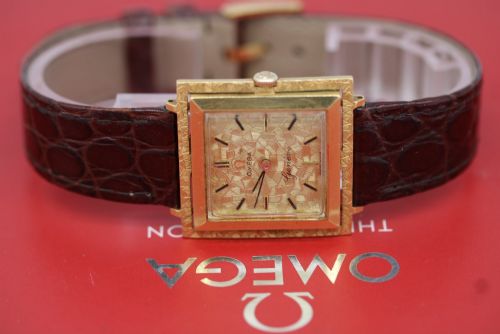
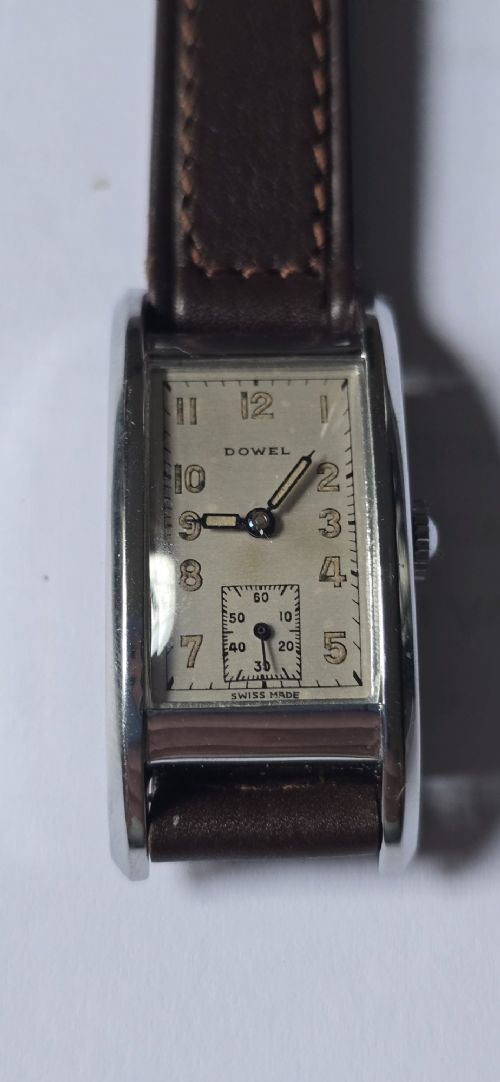
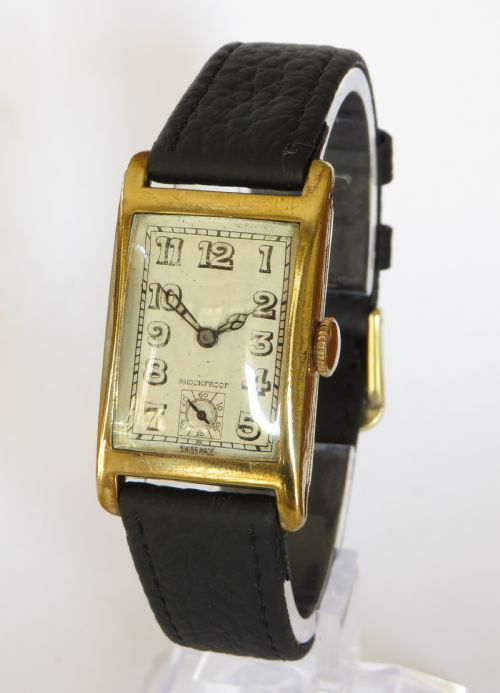


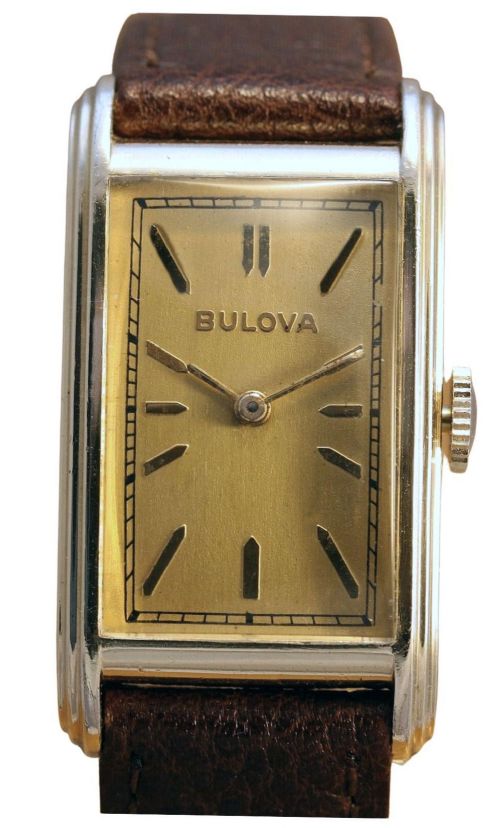


Vintage Rectangular Watch
A vintage rectangular watch trades round dials for geometric poise, bringing the sharp lines of the early twentieth century straight to the wrist.
Vintage Rectangular Watch
When someone searches for a vintage rectangular watch, they are looking for a timepiece defined by straight sides and crisp corners rather than a traditional circular face. These horizontal or vertical geometries dominate the selections on this page, channelling an architectural approach to horology that feels distinct against modern standards.
The most common examples encountered here belong to the Art Deco period and the middle decades of the twentieth century. Makers translated the modernist shift towards clean lines into small scale, producing dress watches for both men and women that sit flat and neat on the wrist.
Originating predominantly from Swiss and American workshops, these pieces range from austere steel housing to ornate gold filled cases. The enduring appeal lies in how a simple geometric shift alters the entire character of a wrist.
How they were made
Cases relied heavily on metals like stainless steel, chrome, and various grades of gold plate and gold filled layers over base metal, alongside select examples in solid 18ct white gold. Protecting the dial required shaped glass crystals cut precisely to fit the angular bezels.
Mechanical movements powered these housings, driven by hand wound mechanisms rather than batteries. Watchmakers engineered compact movements to fit narrow rectangular spaces, often housing Swiss calibres inside French, Swiss, or American assembled casings.
Vintage Rectangular Watch Retail Price Guide 2026
Typical asking prices for vintage rectangular watch among the pieces listed under this phrase on Sellingantiques today, from the lower quarter to the upper quarter. They describe what is for sale here now, not the wider market.
Listings span the 1920s through the 1960s, featuring materials from stainless steel and chrome to 18ct white gold and leather straps.
What varies in quality
Quality separates along the integrity of the case construction and the preservation of the dial. Solid gold or heavy gold filled housings retain their sharpness around the bevels far better than thin plated alternatives, which wear down over decades of use.
The movement inside dictates long term reliability, with well finished Swiss mechanical calibres holding up through generations. Original dials left untouched or expertly serviced maintain the aesthetic intent of the maker better than clumsy redials.
Rolex Cellini·Rotary Claridge·Longines Wittnauer·Le Coultre·Bulova
The Vintage Rectangular Watch Glossary
- Tank watch
- A rectangular wristwatch with vertical case extensions that integrate the lugs into the strap attachment, inspired by military vehicles of the First World War. This form remains a cornerstone of angular horology.
- Curvex
- A curved rectangular watch case and movement designed to hug the natural contour of the wrist. This technique allowed larger movements to sit comfortably on smaller arms.
- Gold filled
- A dense layer of solid gold bonded mechanically to a base metal core, offering greater durability than standard gold plating. It is frequently seen on mid century dress pieces.
- New old stock
- Unsold vintage inventory preserved in original condition, often retaining factory finishes and unused straps from decades past. These pieces bypass the wear of daily use.
- Mechanical movement
- A watch mechanism powered by a mainspring wound by hand, requiring no electrical battery. These intricate assemblies rely on gear trains and an escapement to measure time.
Vintage Rectangular Watch: Frequently Asked Questions
How do I wind a mechanical watch?
Turn the crown at the three o'clock position clockwise until you feel slight resistance. Stop immediately to avoid damaging the mainspring.
Wind the piece at a consistent time each day if worn regularly. Treat the crown gently to preserve the internal gearing.
Are these watches waterproof?
Vintage rectangular designs generally lack modern water resistance seals. Exposure to rain, splashes, or humidity can cause moisture to enter the case and damage the dial or movement.
Keep the piece dry during daily wear. Remove it before washing hands or swimming.
How do I date a vintage watch?
Examine hallmarks on the case interior, movement serial numbers, and stylistic cues such as numeral fonts and lug shapes. Design motifs often point directly to specific decades like the nineteen thirties or forties.
Cross reference movement numbers with manufacturer production ledgers when available. Consulting a specialist helps confirm the exact year of manufacture.
Can I replace the strap?
Most vintage watches use standard spring bars that allow for easy strap replacement with leather or metal bands. Matching the correct lug width is essential for a secure fit.
Preserve original signed buckles where possible to maintain the integrity of the piece. Take care not to scratch the case during the swap.