


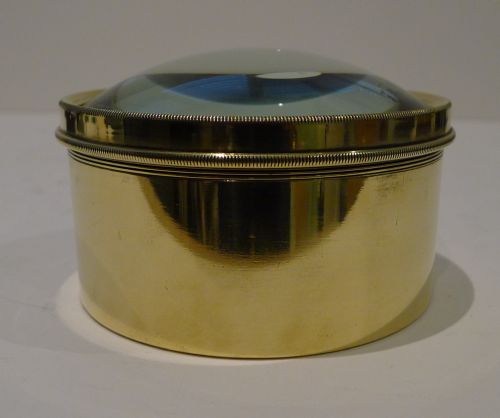


Vintage Reading Lens
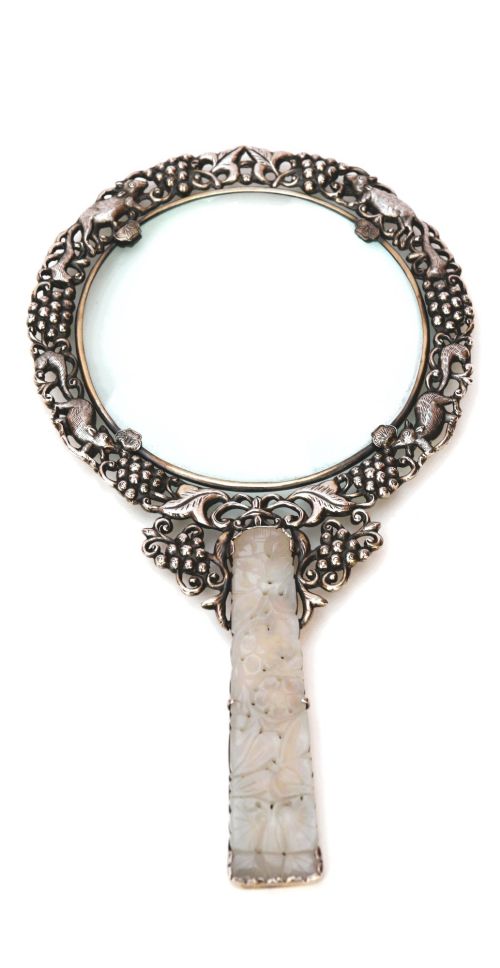
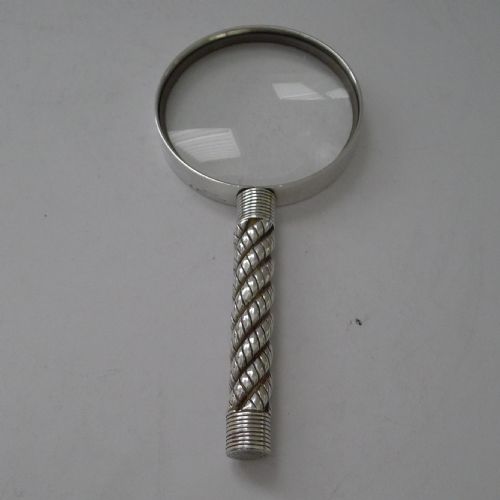
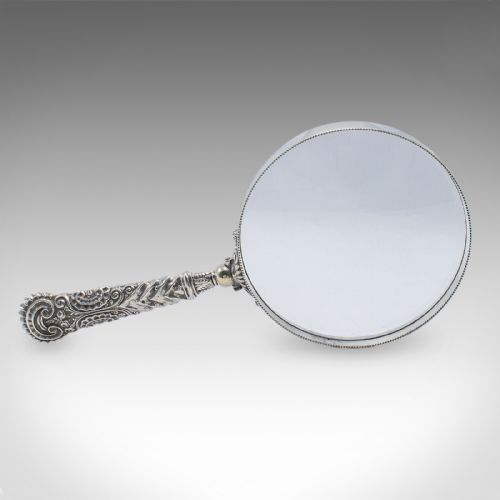
These vintage reading lens examples are practical desk accessories and library aids crafted in brass, silver, and shagreen.
Vintage Reading Lens
When you search for a vintage reading lens, you encounter a specialised category of desk accessories and library aids designed for close inspection of text and maps. These pieces range from Victorian handheld magnifiers to Art Deco desk models and pivoting bullseye stands.
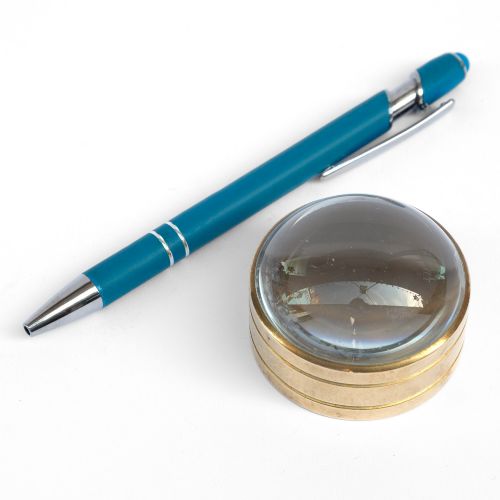
The selections on this page span several decades, featuring English and continental designs from the nineteenth century through the mid-twentieth century. Handheld reading glasses and heavy desk paperweight magnifiers dominate the forms available.
How they were made
Maker workshops utilised durable materials such as brass mounts, sterling silver, and silver plate to house optical glass lenses. Handles frequently incorporate organic textures like shagreen, jade, ebony, and celluloid to provide grip and decorative contrast.
Construction methods include pivoting metal stands, folding adjustable frames, and weighted bases suited for stationary desk use. Metal components often bear hallmarks indicating assay offices and manufacturing dates.
What varies in quality
Quality differences emerge in the choice of handle materials and the precision of the metal mounts. Pieces utilising genuine shagreen, carved jade, or heavy cast brass represent higher tiers of production than standard silver-plated variants.
The clarity of the glass lens and the integrity of the period frame mechanisms further distinguish standard library aids from luxury items produced by notable firms.
Hermes Paris·Mappin And Webb·P H Vogel And Co·Asprey·CW Dixey London
The Vintage Reading Lens Glossary
- Bullseye magnifying glass
- A thick, rounded glass lens designed to gather light and magnify a specific area, often mounted on a pivoting brass stand for desk use.
- Shagreen
- Prepared sharkskin or stingray skin with a granular texture, utilised by luxury makers during the Art Deco period to cover handles and frames.
- Sterling silver
- An alloy of silver containing ninety-two point five percent pure silver and seven point five percent other metals, commonly stamped with assay marks.
- Desk accessory
- A functional object designed for use on a writing table, including paperweights, blotters, and reading glasses.
- Celluloid
- An early thermoplastic material used as a substitute for natural handle materials in nineteenth and twentieth century objects.
Vintage Reading Lens: Frequently Asked Questions
What is a vintage reading lens used for?
These pieces serve as functional magnifiers for reading small print, examining maps, or studying documents. They double as decorative desk accessories and paperweights.
Historically, they sat on library tables and writing desks as essential tools before the widespread availability of electric task lighting and reading glasses.
How do I identify a Victorian reading lens?
Victorian examples typically feature materials such as silver plate, brass, celluloid, or ebony, often with ornate detailing suited to nineteenth century decor.
Examining the manufacturing style and any accompanying storage cases helps differentiate these earlier pieces from mid-century or Art Deco items.
What materials are used in Art Deco magnifiers?
Art Deco pieces frequently combine sterling silver or silver plate with exotic textures like shagreen. Clean geometric lines define the frames from this period.
Makers utilised these contrasting materials to create striking visual appeal alongside practical magnification.
How do I care for a vintage magnifying glass?
Keep the optical glass clean by using a soft cloth without harsh chemical cleaners. Metal mounts and silver handles benefit from occasional gentle dusting.
Store desk stands securely to protect pivoting joints and heavy glass lenses from accidental impact.