


Antique Glass Magnifier
These antique glass magnifier pieces are practical library aids and desk accessories that bring clarity to small text, and a collector wants one for both daily utility and period craftsmanship.
Antique Glass Magnifier
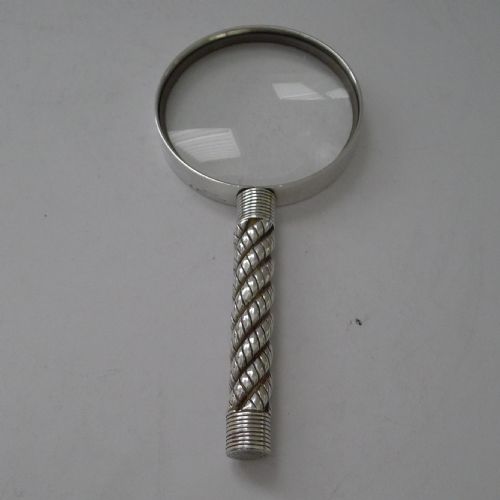
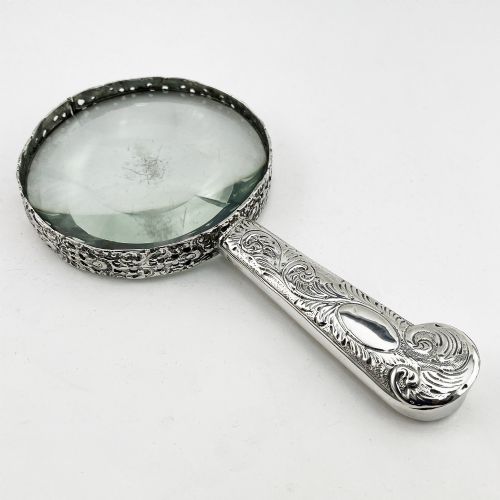
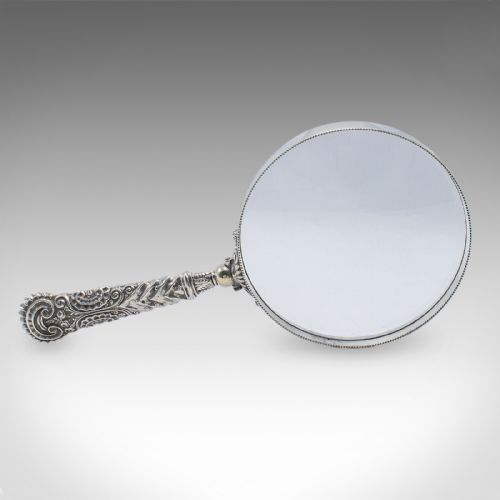
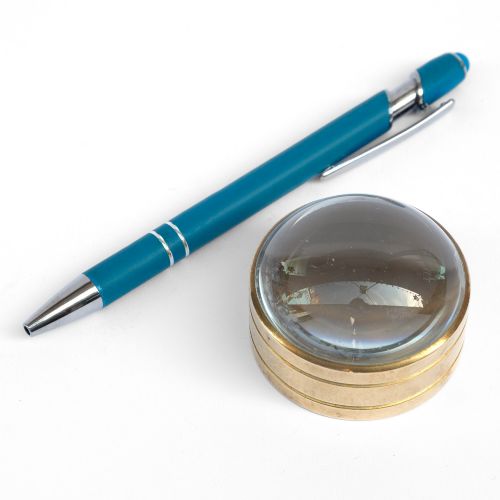
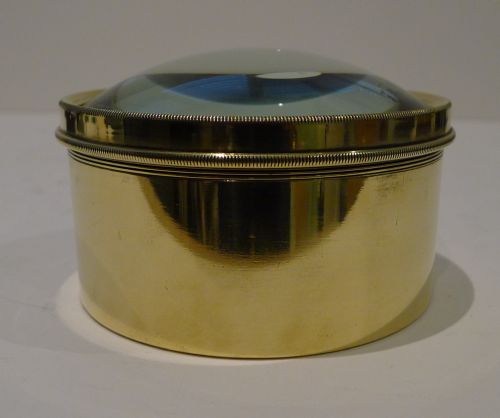
An antique glass magnifier serves as a functional tool for reading small print, examining maps, or inspecting fine details. These objects appear as handheld reading aids, folding pocket loupes, pivoting desk stands, and heavy paperweights designed for a library or study.
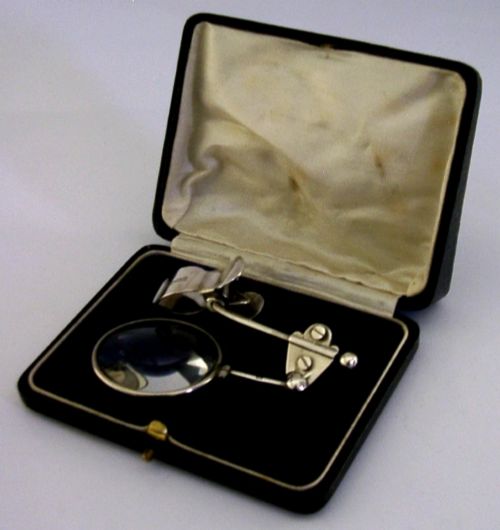
The selections span from the Victorian era and Edwardian period through to Art Deco and Mid-Century Modern designs. Visitors will encounter simple brass mounts alongside luxury desk pieces by notable makers housed in fitted cases.
How they were made
Maker workshops utilised optical glass for the lenses, setting them into frames formed from brass, bronze, sterling silver, or silver plate. Handles and mounts often incorporated organic materials such as shagreen, jade, mother of pearl, leatherette, and wood like rosewood.
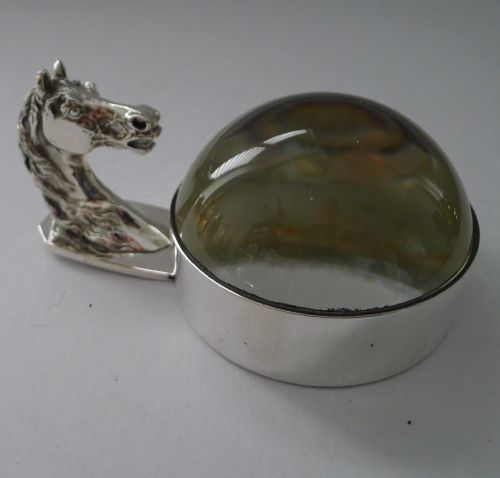
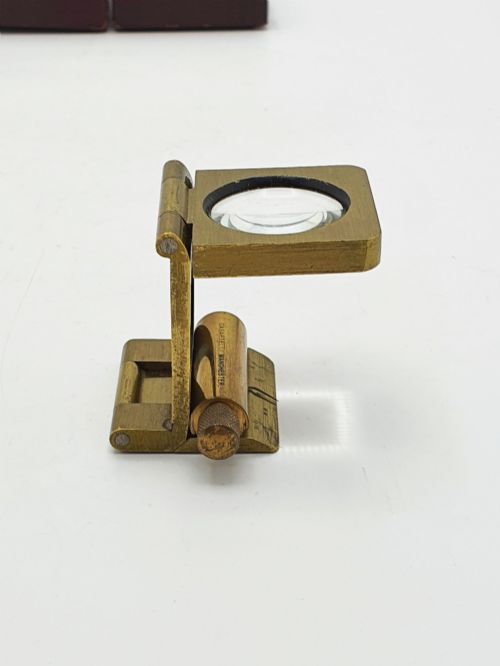
Specialised items incorporated mechanical elements, including folding hinges, measuring scales for linen testers, and pivoting desk stands. Decorative flourishes involved guilloche enamel, silver gilt, and detailed metal castings like horse heads.
Materials recorded across the archive include brass, sterling silver, silver plate, shagreen, jade, rosewood, and glass.
What varies in quality
The standard of an antique glass magnifier rests on the clarity and weight of the optical lens and the sturdiness of its metal frame. Pieces cast in solid brass, bronze, or sterling silver demonstrate superior durability compared to plated or light alloy alternatives.
Finish and detailing distinguish standard items from luxury commissions. Objects featuring specialised coverings like shagreen, intricate guilloche enamel, or mechanical adjustments show greater attention to design.
Hermes Paris·Broadway And Co·Mappin And Webb·Asprey·CW Dixey London
The Antique Glass Magnifier Glossary
- Linen tester
- A small folding magnifier used originally in the textile industry to count threads within a defined square inch. These often include an integrated measuring scale.
- Quizzing glass
- A magnifying lens or monocle mounted on a handle or worn around the neck, popular for fashion and casual reading during the nineteenth century.
- Shagreen
- Untanned leather with a granular surface, historically prepared from shark or ray skin and used to cover luxury desk accessories and cases during the Art Deco period.
- Guilloche enamel
- A decorative technique where a precise geometric pattern is engraved into metal beneath a transparent layer of coloured enamel.
- Bullseye lens
- A thick, hemispherical glass lens designed to gather and focus light onto a specific area while magnifying the text beneath it.
Antique Glass Magnifier: Frequently Asked Questions
How do I use an antique magnifier?
These optical instruments sit directly on documents or function as handheld reading aids. Place the glass flat against a map or book page to enlarge the text for comfortable viewing.
Heavier desk models and pivoting stands remain stationary on a library table to free your hands during extended reading or inspection work.
What materials were used for handles?
Maker workshops selected metals such as brass, bronze, sterling silver, and silver plate for durability and structure. Handles also incorporate decorative organic materials including jade, rosewood, celluloid, and shagreen.
Textured finishes like leatherette and velvet sometimes appear on fitted protective cases or backing elements designed to protect the glass.
How can I date my magnifying glass?
Silver components frequently display hallmarks that indicate the assay office, standard of metal, and year of manufacture. Stylistic indicators like geometric Art Deco enamel or Victorian foliate engraving help narrow down the period.
Patent names and maker signatures stamped into the metal frame provide direct clues to the workshop and production era.
What is a linen tester loupe?
A linen tester is a small folding magnifier designed with an integrated measuring scale at the base. Textile merchants and printers utilised these instruments to inspect fabric thread counts and print quality.
Most examples fold flat into a compact metal frame for pocket transport while protecting the glass lens from scratches.