
Antique Glass and Silver
When you search for antique glass and silver, you find combinations of precious metal and clear, coloured, or cut vessels made to serve, adorn, or contain.
Antique Glass and Silver
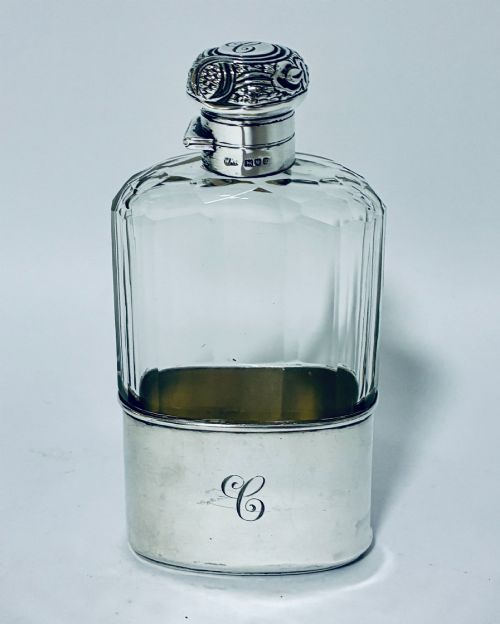
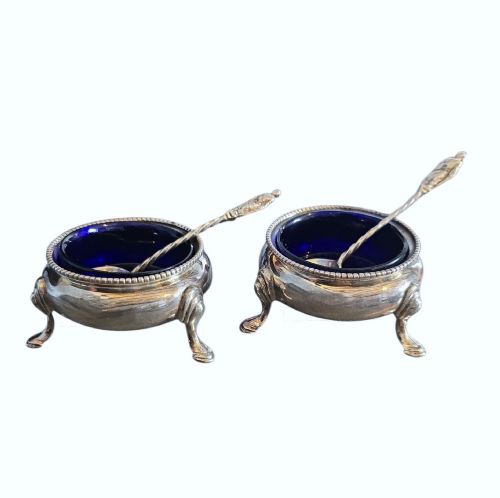
When you search for antique glass and silver, you are looking at items that combine vitreous vessels with sterling silver, silver plate, or gilt mounts. The pieces range from the Victorian era through the Edwardian period and into the Art Deco years, encompassing domestic objects, barware, and personal accessories.
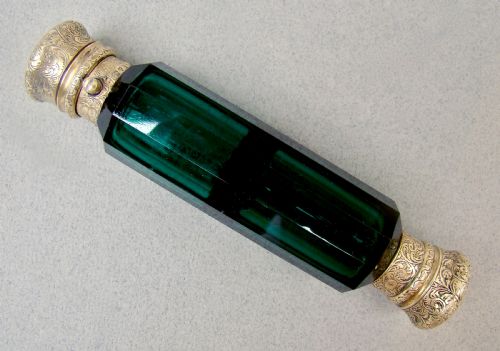
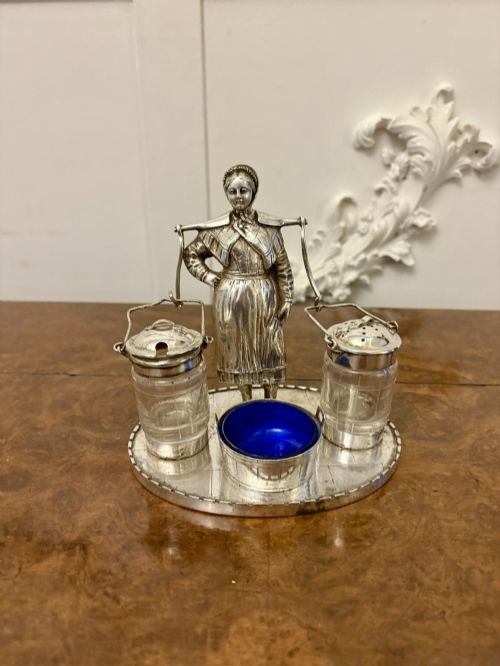
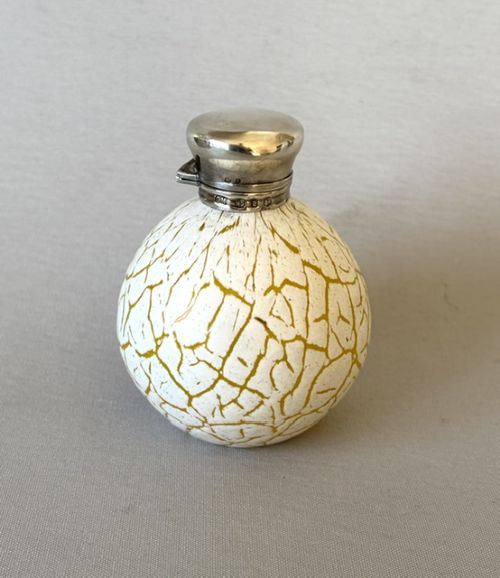
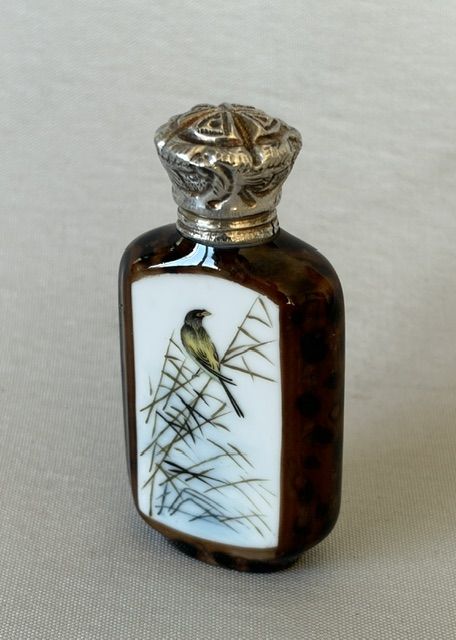
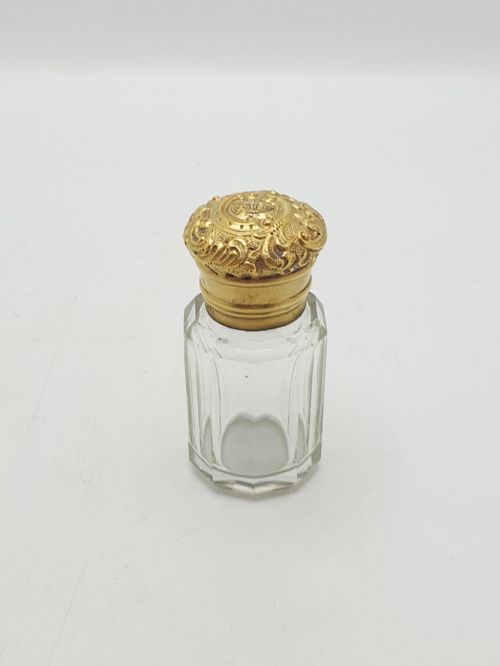
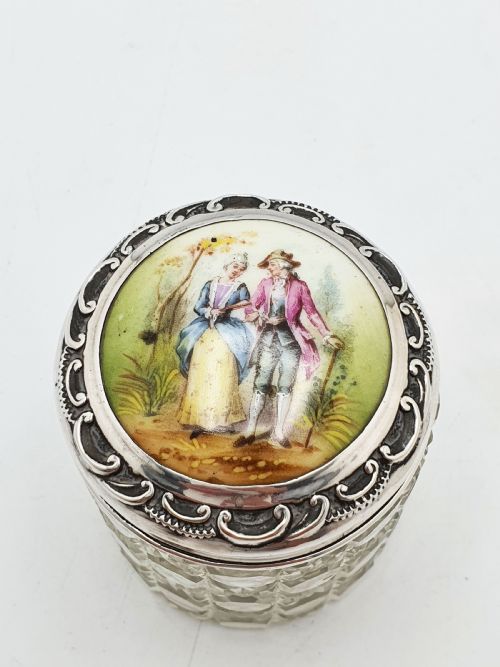
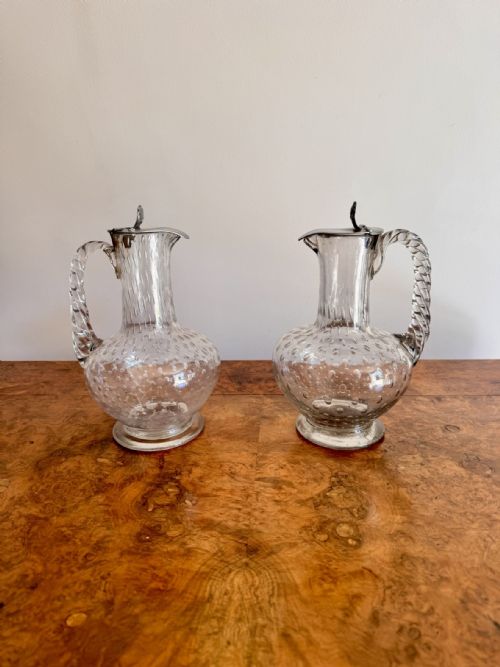
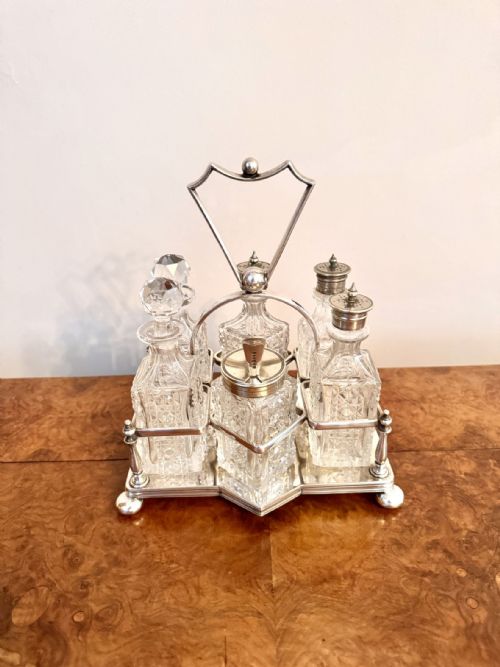
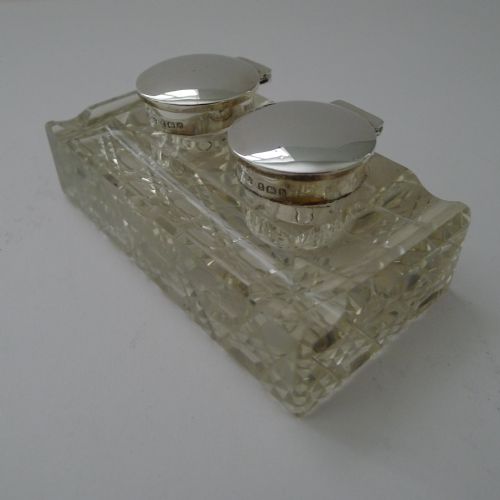
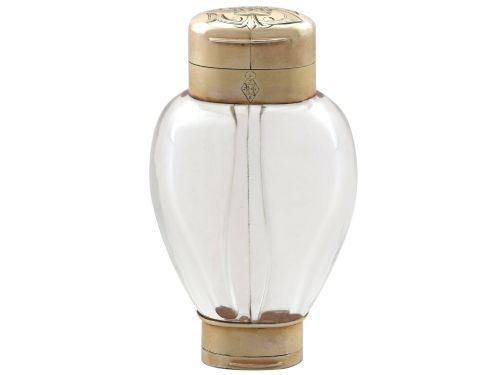
You are most likely to meet scent bottles, cruet sets, inkwells, and claret jugs on this page. These items integrate glass bodies with metal collars, hinges, lids, and stands, spanning periods such as eighteen eighty, nineteen hundred, and nineteen thirty.
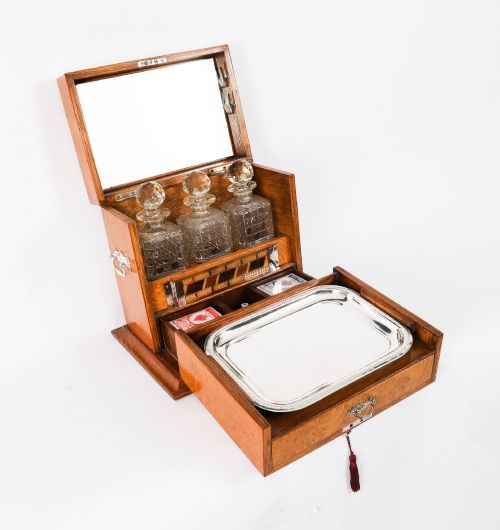
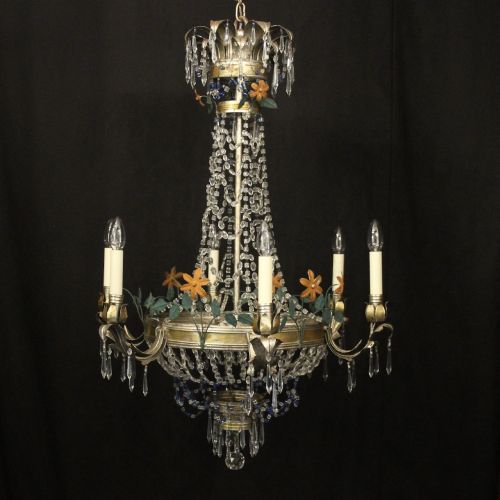
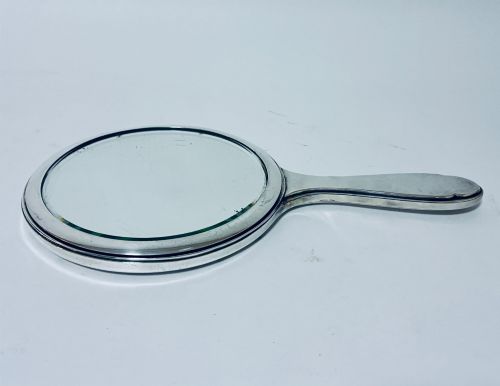
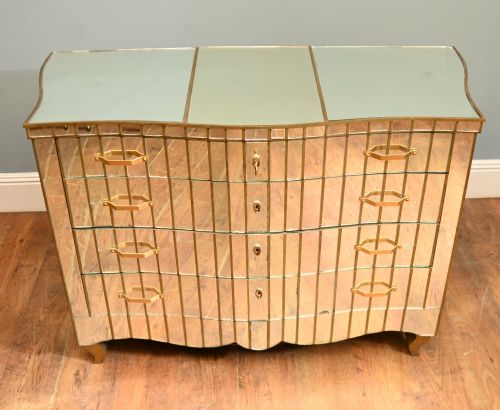
The objects originate from English workshops, continental makers, and Venetian glasshouses. They include desk accessories, wall mirrors, decanters, and vanity jars that bridge the utility of glass with the decorative finish of silver.
How they were made
Makers combined glassblowing, moulding, or wheel-carving with silversmithing techniques such as casting, hand-fretting, and repoussé. Glass bodies took the form of cut glass, crackle glass, cranberry glass, or Kralik glass, paired with sterling silver or silver plated mounts.
Metals were soldered, hinged, or screwed directly to the glass vessels, frequently incorporating cork or rubber gaskets to secure scent bottles and decanters. Enamel painting, porcelain plaques, and gilt details were added to surfaces before final assembly.
Golfers can toast a good round from a German solid silver beaker shaped like a trophy cup.
What varies in quality
Quality depends on the crispness of the glass cutting and the weight of the silver mounts. Finer pieces display deeply wheel-carved motifs and heavy sterling silver rather than thin silver plate.
The integration between the glass vessel and the metal mount determines the standard of manufacture. Well-made items show precise fitting without excess solder, intact liners, and crisp hallmarks on the silver components.
Beare Falcke·Georg Adam Scheid·William Comyns·Harrods Ltd·A. J. Pepper & Co·Hermes Paris
The Antique Glass and Silver Glossary
- Cruet set
- A matched collection of bottles or castors for condiments, held within a silver plated or sterling silver stand. These sets frequently include glass containers with silver mounts.
- Claret jug
- A serving vessel for wine featuring a glass body with a hinged silver lid, handle, and collar. The glass is often cut or moulded.
- Vinaigrette
- A small ornamental box with a perforated inner grille, designed to hold a sponge soaked in aromatic vinegar. They appear mounted in silver alongside glass containers.
- Standish
- An inkstand or desk tray holding inkwells, penholders, and sanders. Silver examples rest upon bases of oak or other materials.
- Paste glass
- Cut and polished glass or lead crystal used to imitate gemstones in jewellery and decorative accessories. It provides colour and sparkle without precious mineral composition.
Antique Glass and Silver: Frequently Asked Questions
How do I clean silver mounts on glass?
Use a soft cloth and a dedicated silver polish, taking care to avoid getting liquid inside unsealed glass vessels or onto painted enamel surfaces.
Keep polishes away from the margins where metal meets glass to prevent residue accumulation in tiny crevices.
Are replacement glass liners available?
Original glass liners for salts and baskets were custom-fitted to individual pieces during manufacture. Finding exact replacements requires matching the precise dimensions and glass colour of the period.
Many collectors accept pieces with period-appropriate replacement liners if the dimensions allow the silver to seat correctly.
How do I identify silver plate from sterling?
Sterling silver items carry hallmarks indicating the standard of purity, the assay office, and the maker's mark. Silver plate displays different marks such as EPNS or manufacturer codes denoting electroplated nickel silver.
Unmarked white metal mounts require careful inspection for wear where the base metal shows through the thin silver layer.
How were scent bottles used?
Victorian and Edwardian ladies carried scent bottles in reticules or displayed them on dressing tables as functional vanity items. They contained concentrated perfumes or smelling salts for personal refreshment.
Inside the hinged silver cap, a glass stopper created an airtight seal to prevent evaporation of the volatile contents.