




Vintage Rattan Chair
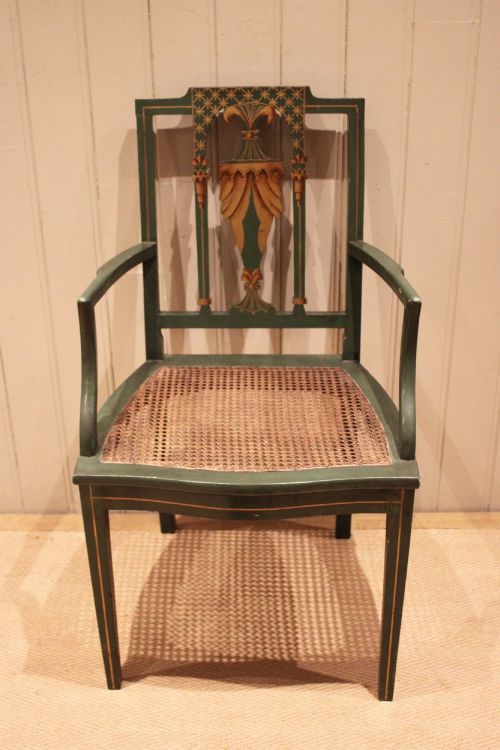
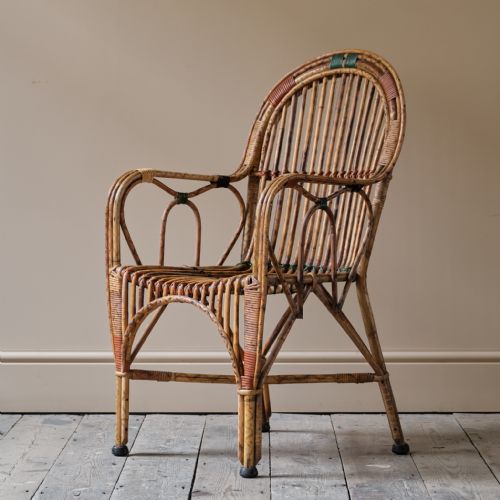
A vintage rattan chair brings organic texture and architectural ease to a room, spanning eras from Regency library seating to Art Deco loungers.
Vintage Rattan Chair
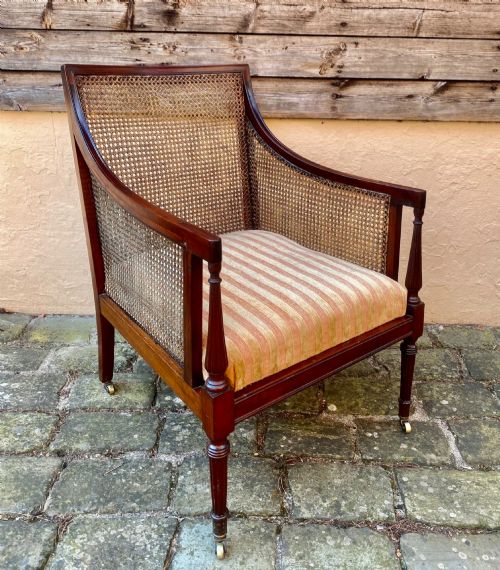
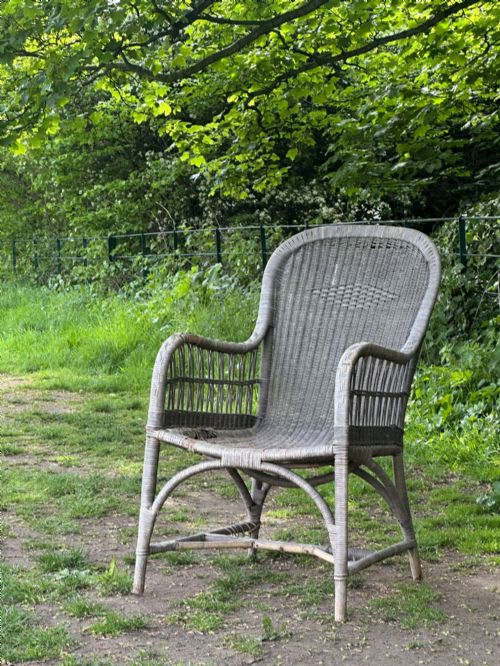
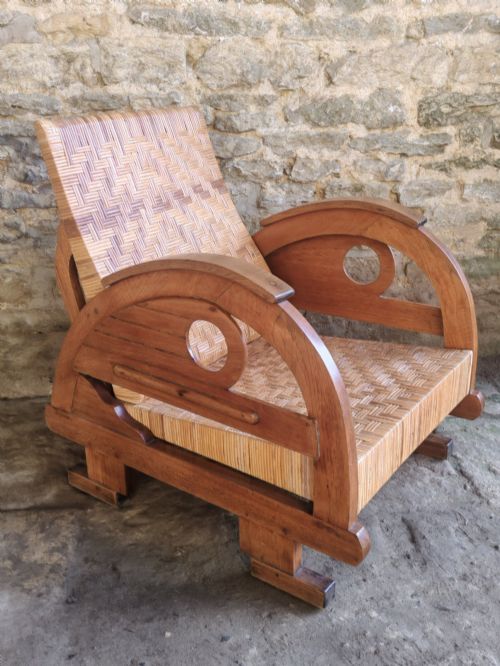
The selections available here range from formal Edwardian and Regency mahogany bergere library chairs to relaxed Art Deco armchairs and garden loungers.
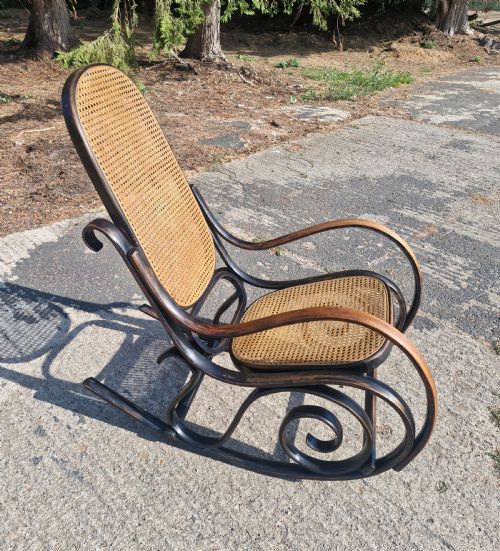
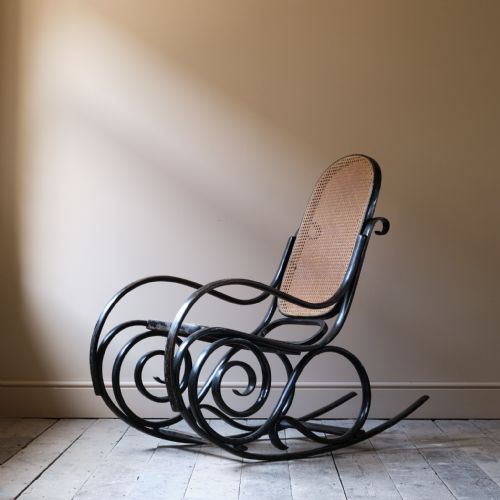
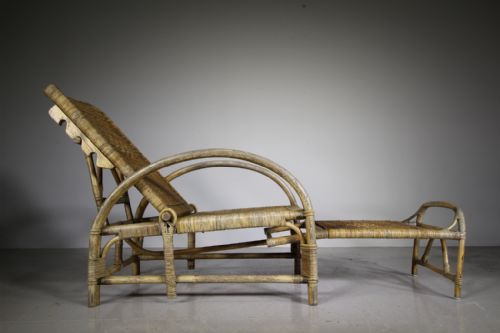
You will also encounter specialised seating forms such as rocking chairs, plantation chairs, and chaise longues originating from periods spanning the nineteenth and twentieth centuries.
How they were made
Construction relies heavily on pliable natural fibres including rattan, cane, bamboo, and willow, often paired with sturdy structural hardwoods like mahogany, beech, and teak.
Craftsmen utilised steam-bending techniques for bentwood frames and intricate handweaving methods to produce resilient, supportive seats and backs.
Additional detailing incorporates brass hardware and painted finishes to elevate the visual appeal of these natural woven frames.
Vintage Rattan Chair Retail Price Guide 2026
Typical asking prices for vintage rattan chair among the pieces listed under this phrase on Sellingantiques today, from the lower quarter to the upper quarter. They describe what is for sale here now, not the wider market.
The listings span pieces from the Regency era through the 1940s, utilising materials such as rattan, cane, bamboo, mahogany, and teak.
What varies in quality
Quality in these pieces is dictated by the tightness and regularity of the handweaving and the structural integrity of the underlying timber frame.
Superior examples demonstrate thoughtful proportions and refined stylistic details, such as well-drawn mahogany frames or designated maker craftsmanship.
The preservation of the natural woven material without extensive brittle breakage distinguishes exceptional items from ordinary utility seating.
Angraves of Leicester·Dryad of Leicester·Thonet
The Vintage Rattan Chair Glossary
- Bergere
- A type of enclosed upholstered armchair with a wooden frame where the sides and back are typically filled with cane or wickerwork. These chairs gained popularity in eighteenth-century France and returned in later revival styles.
- Cane
- Material made from the peeled bark of the rattan palm, traditionally woven into intricate mesh patterns for chair seats and backs. It provides a flexible yet durable surface.
- Bentwood
- Wood that has been heated with steam to make it pliable, allowing craftsmen to bend it into curved shapes without breaking. This technique defines many classic rocking chairs and café seating.
- Plantation chair
- A wide-armed lounging chair designed for tropical climates, frequently featuring extended arms intended to act as leg rests. They often incorporate cane panels for ventilation.
- Peacock chair
- A large, high-backed chair featuring expansive fan-like woven details reminiscent of a peacock tail. These decorative seating pieces emerged from colonial traditions.
Vintage Rattan Chair: Frequently Asked Questions
How do I care for a vintage rattan chair?
Keep these chairs away from direct heat sources and extreme moisture to prevent the natural fibres from becoming brittle.
Dust the woven surfaces regularly with a soft brush and occasionally wipe with a slightly damp cloth.
Can I use a vintage rattan chair outdoors?
Most antique and vintage woven seating is intended for interior use where humidity and temperature remain stable.
Garden armchairs explicitly designated for outdoor use may tolerate covered patios, but prolonged exposure to rain damages natural cane.
How do I identify the period of a rattan chair?
Examine the underlying timber frame for stylistic clues, such as Regency mahogany details or Edwardian cabinetmaking traits.
The complexity of the weave and any maker stamps or labels also help date the piece accurately.
Are replacement caning repairs possible?
Skilled artisans can restore damaged cane panels by reweaving new natural material through the existing frame holes.
Retaining the original frame structure makes traditional hand-caning a worthwhile conservation project.