


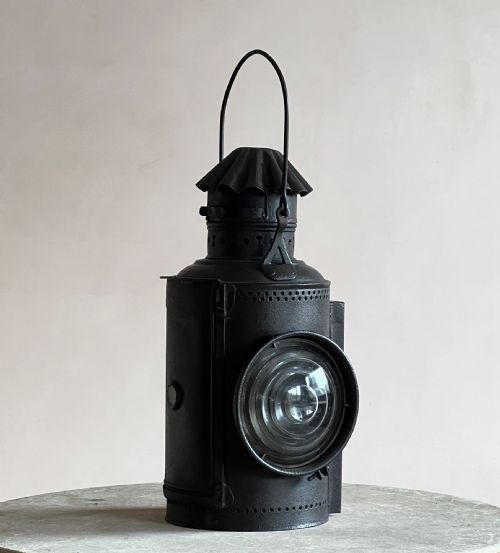


Vintage Railway Lighting
Vintage railway lighting brings robust historical utility indoors, offering heavy brass carriage lamps and signal lanterns designed for travel.
Vintage Railway Lighting
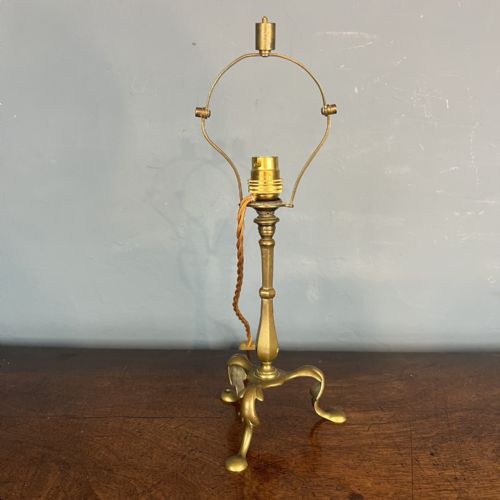
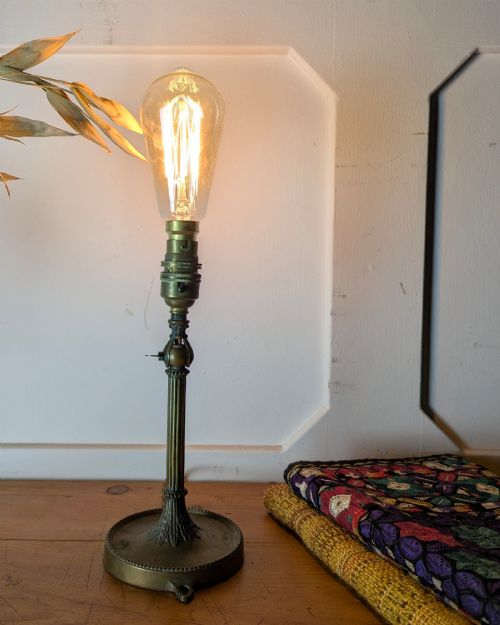
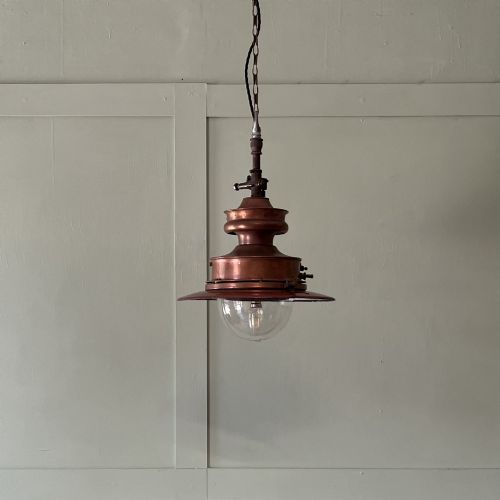
Vintage railway lighting encompasses heavy-duty lamps, lanterns, and ceiling lights originally utilised across transit networks during the Victorian, Edwardian, and mid-twentieth-century periods. When searching for vintage railway lighting, buyers frequently encounter brass Pullman carriage lamps, copper hanging lanterns, and iron signal oil lamps.
The selection ranges from early table and wall lamps featuring opaline glass shades to maritime-inspired gimbal lamps and large Art Deco dining carriage lights. These pieces reflect specific transport contexts, including named lines such as GWR and LNER, alongside heavy step ladders associated with maintenance work.
How they were made
Construction relies heavily upon durable metals such as brass, copper, iron, and painted steel designed to withstand continuous movement and transit conditions. Many examples incorporate specialised glass elements, including tri-colour lenses and opaline shades, housed securely within metal frames.
Makers utilised structural timber like pine for supplementary items such as steps, while metal components display robust engineering methods suitable for rigorous daily service on locomotives and carriages.
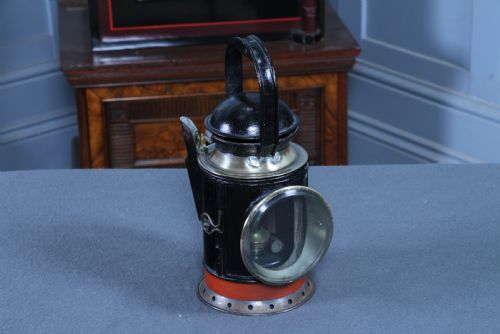
Inspectors carried heavy brass hand lamps fitted with coloured lenses to signal locomotives through thick steam and soot.
What varies in quality
Quality rests upon the integrity of the original metalwork, the presence of factory markings, and the preservation of specialised components like multi-colour glass lenses. Pieces retaining original surface patination and authentic company stampings stand apart from heavily altered examples.
The complexity of the mechanism, from gimbal mountings to sophisticated oil reservoirs and heavy-gauge brass castings, determines the distinction between standard utility items and high-status carriage appointments.
Eli Griffiths And Sons·Dressel
The Vintage Railway Lighting Glossary
- Gimbal
- A ringed pivoting device that keeps lamps level during transit. This mechanical setup allowed carriage and ship lighting to remain upright despite motion.
- Opaline
- A milky white glass used for lamp shades to diffuse glare. It softens the output of early electric and oil burners.
- Tri-Colour Lens
- A specialised signal glass showing three distinct hues. It permitted inspectors to switch lamp signals using internal mechanisms.
- Pullman
- A designation for luxury railway carriage appointments. These fittings often incorporated polished brass and refined decorative styles.
Vintage Railway Lighting: Frequently Asked Questions
What materials make up these lights?
Construction primarily involves durable metals including brass, copper, iron, and painted steel. These materials were chosen for their resilience against vibration and weathering during transit.
Glass elements such as opaline shades and coloured lenses appear frequently across the selection. Wood and pine also feature in related railway equipment like steps.
How were carriage lamps mounted?
Many pieces utilise wall brackets, table stands, or hanging mechanisms designed specifically for passenger compartments. Gimbal mountings allowed certain lamps to pivot and stay level despite carriage movement.
Inspectors carried portable hand lanterns fitted with handles for checking signals and tracks. Ceiling lights secured directly to carriage roofs to illuminate dining and passenger spaces.
How do I identify a period piece?
Dating relies upon material choices, manufacturing styles, and stamped railway company initials like GWR or LNER. Victorian and Edwardian examples often feature heavy brass castings and oil reservoirs.
Later pieces transition into Art Deco designs and painted steel housings from the mid-twentieth century. Maker marks and specific patent dates further pinpoint the era of production.
Were these lamps oil or electric?
Most early examples operated on oil as self-contained units requiring manual trimming and fueling. Railway inspectors and guards relied on these dependable oil lamps before widespread electrification.
Later carriage lighting incorporated electrical wiring to suit modernizing transit networks. Many surviving examples retain their original fuel fonts and burners.