



Vintage Pub Mirror
A vintage pub mirror brings authentic character and commercial history into a room through etched glass and old signage.
Vintage Pub Mirror
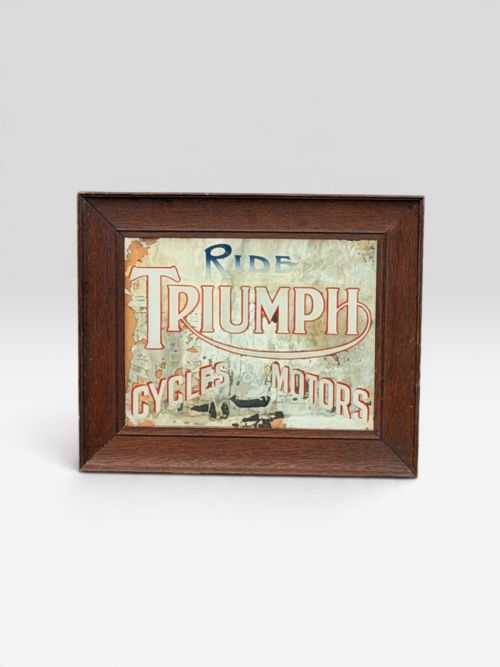
A vintage pub mirror is a wall-mounted glass piece created for commercial spaces, taverns, and shops, often featuring prominent brand advertisements or decorative etching. These items range from late Victorian English examples to French bistro and brasserie designs spanning the nineteenth and twentieth centuries.
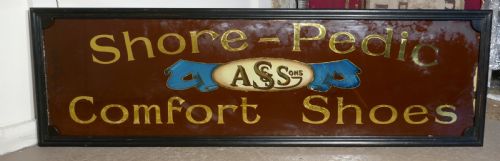
Originating from commercial interiors, these pieces combine functional reflection with period advertising, displaying lettering for tobacco, vending machines, and footwear alongside traditional tavern motifs. Each item reflects the commercial aesthetics of past decades, serving as both a practical mirror and a historical artefact.
How they were made
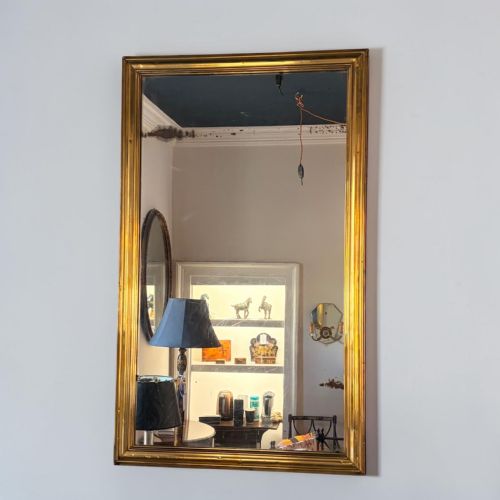
Makers utilised heavy timber frames such as oak, mahogany, and ebonised wood to house large sections of mirror glass and mirror plate. Brass mounts and frames also appeared frequently, providing structural support and decorative contrast to the reflective surfaces.
The decoration on the glass relied on techniques like acid etching to produce crisp commercial lettering and imagery directly onto the mirror plate. Painted elements and distressed finishes further defined the visual style of advertising signs and bistro mirrors.
Capstan navy cut cigarettes and automatic vending machines found permanent homes on these glass panels long before digital advertising arrived.
What varies in quality
The distinction between standard examples and superior pieces rests upon the crispness of the acid etching and the originality of the mirror plate. Retaining genuine period glass alongside well-preserved painted or etched advertising details elevates the integrity of the piece.
Framing materials and construction methods also dictate the overall standard, with solid woods like oak and mahogany paired with substantial brass hardware demonstrating higher craftsmanship. The complexity of the commercial signage design and the depth of the original materials define the upper tier of these mirrors.
The Vintage Pub Mirror Glossary
- Acid etched
- A technique using acid to bite designs or lettering into mirror glass. This process creates permanent, opaque patterns that stood up to commercial wear.
- Mirror plate
- The flat piece of glass coated with a reflective metallic layer. Older plates often display characteristic foxing and natural distressing over time.
- Ebonised wood
- Timber treated to imitate ebony wood through a dark stain or finish. It provided a stark, formal contrast in nineteenth-century frames.
- Brasserie mirror
- A large reflective panel designed for continental dining establishments. These typically featured brass frames and decorative lettering suited to hospitality venues.
- Advertising sign
- A commercial display piece incorporating brand names or products. In this category, they combine functional glass with historical marketing graphics.
Vintage Pub Mirror: Frequently Asked Questions
What is a vintage pub mirror?
A vintage pub mirror is a decorative glass panel originally used in taverns, bars, and shops for interior decoration and brand promotion. They often feature etched lettering, painted advertisements, and robust wooden or brass frames.
These pieces capture the commercial aesthetic of the nineteenth and twentieth centuries, transitioning from working hospitality environments into residential and commercial interiors today.
How do I hang a heavy pub mirror?
Hanging these mirrors requires secure fixings due to the weight of the thick wooden frames and glass plates. Professional wall anchors suited to the specific wall type are essential.
Positioning them at eye level in social spaces or hallways allows the reflective surface and advertising details to function effectively as a focal point.
How can I tell the period of a mirror?
Dating relies on examining the frame style, lettering fonts, and the manufacturing characteristics of the glass plate. Victorian and Edwardian examples often feature distinct aesthetic markers and traditional timber construction.
Commercial signage mirrors from the early twentieth century typically display period brand names, typography, and specific advertising methods corresponding to their era of production.
Where should I place a pub mirror?
These mirrors suit dining rooms, living spaces, and home bars where their historical character complements the interior. Their reflective qualities also help to brighten smaller rooms.
Placing them away from direct, damp environments helps preserve the original mirror plate and painted or etched advertising details over time.