


Antique Commercial Mirrors
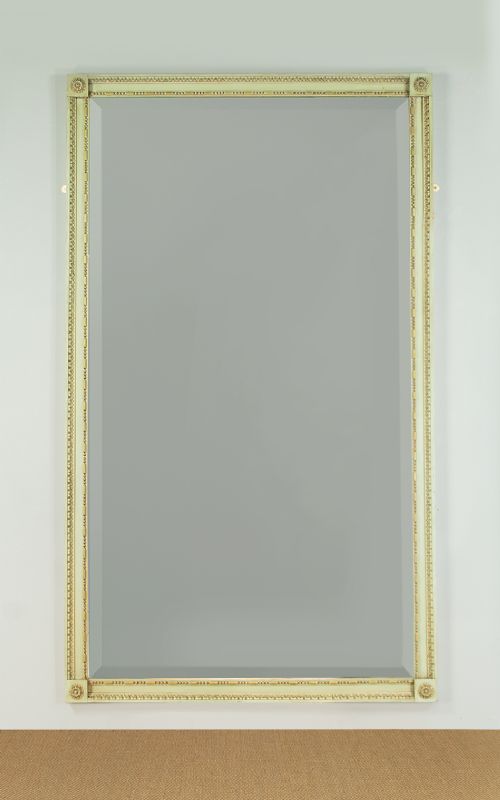
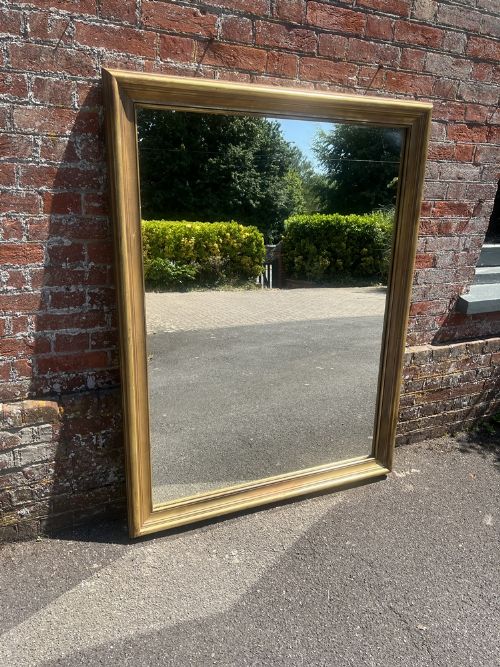
Antique commercial mirrors bring the scale and utility of old shops, pubs and bistros straight into domestic rooms.
Antique Commercial Mirrors
Antique commercial mirrors encompass utilitarian looking glasses and advertising pieces originating from haberdasheries, pharmacies, pubs and bistros. These items were designed to serve a functional purpose in retail and hospitality environments before finding their way into the antiques market.
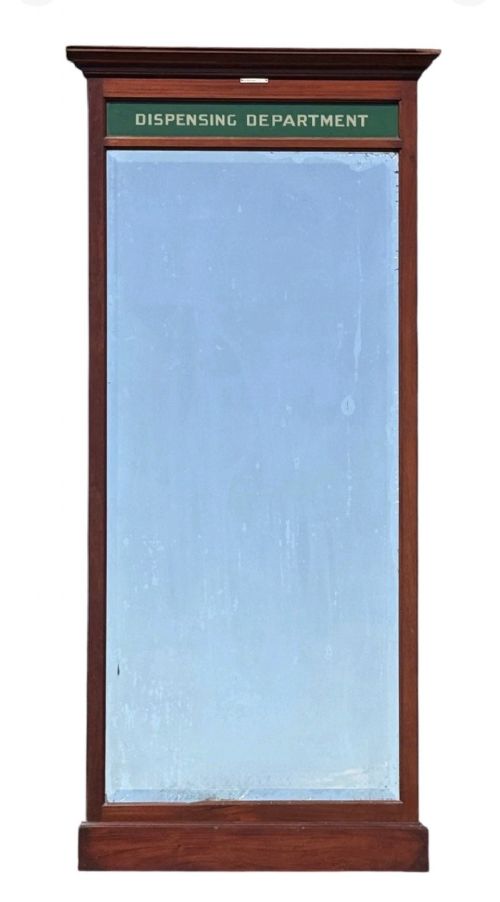
Origins range from English chemist shops and London pubs to French cafes and provincial retailers. Each piece carries the distinct character of its commercial past, whether through etched lettering, heavy brass framing or substantial timber construction.
How they were made
Makers utilised robust materials such as mahogany, oak, brass and thick glass to withstand the demands of daily retail use. Frames were constructed from solid hardwoods or cast brass, often housing original heavy plate glass.
Decoration techniques included acid etching for pub and advertising signage, alongside carved wood and gilt work on French bistro frames. Paint was also applied directly to glass surfaces for specific brand advertisements and shop displays.
Some vending machine mirrors still whisper of past automated sales for Harpers automatic novelties.
What varies in quality
The distinction between standard commercial items and finer examples lies in the integrity of the original plate glass and the complexity of the framing. Retaining authentic etched lettering or original painted signage significantly elevates the character of an advertising piece.
Construction methods also set pieces apart, with substantial hardwood framing and specialised brass mounts indicating a higher grade of manufacture intended for prominent retail settings.
John Stow Ltd of Bradford·Cadbury·Wills's Tobacco·A S & Sons
The Antique Commercial Mirrors Glossary
- Acid etched
- A glass decoration technique where design areas are exposed to acid to create a frosted, permanent pattern. This method was widely used on Victorian and Edwardian pub mirrors.
- Bistro mirror
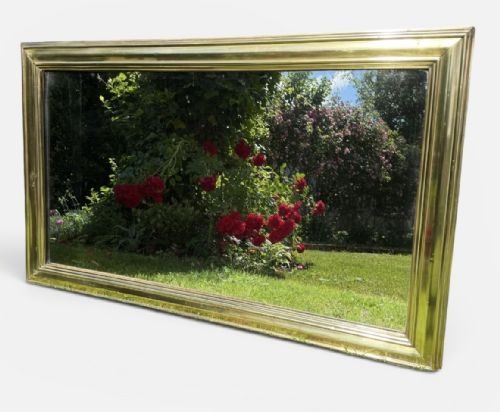
- A large wall-mounted glass piece featuring a brass or carved wooden frame, originating from French cafes and hospitality venues. These items often incorporate heavy brass surrounds.
- Chemist shop
- A nineteenth or early twentieth-century pharmacy interior from which specialised dispensing department mirrors and display cabinets originate. These items often feature mahogany framing.
- Haberdashery
- A retail trade dealing in small items of clothing and sewing, which utilised large wall mirrors and display units to assist customers. These pieces are noted for their generous proportions.
- Advertising sign
- A commercial display piece incorporating glass, paint and text to promote specific brands such as tobacco or confectionery. These objects served as point-of-sale marketing in shops.
Antique Commercial Mirrors: Frequently Asked Questions
Where were commercial mirrors originally used?
These mirrors and display items served practical roles in nineteenth and early twentieth-century shops, pubs, pharmacies and bistros. Merchants utilised them to brighten trading spaces, display goods and promote specific brands to customers.
Over time, changing retail fit-outs released these utilitarian objects into the antiques market, where their robust construction and generous scale found favour in residential interiors.
How do I identify a pub mirror?
Pub mirrors typically feature characteristic acid-etched lettering denoting beverage brands, breweries or specific London locations like Maida Vale. They often date from the late Victorian or Edwardian eras.
The glass plate is usually housed within a simple timber or brass frame designed to withstand the humid atmosphere of a public house.
Are French bistro mirrors different from English ones?
French bistro mirrors frequently showcase ornate carved wood and gilt frames or heavy brass surrounds, reflecting continental interior styles. They tend to prioritize decorative framing alongside functional reflection.
English commercial mirrors, by contrast, often lean towards utilitarian mahogany or oak frames associated with drapery shops, chemists and public houses.
How should I hang a heavy shop mirror?
Due to the substantial timber frames and thick glass plates characteristic of commercial mirrors, secure wall fixings into structural studs or masonry are essential. Professional mirror hangers should assess the weight distribution before installation.
Positioning these large pieces at appropriate heights allows them to reflect natural light effectively while anchoring the proportions of a domestic room.