





Vintage Press Desk
These vintage press desk examples combine solid timber construction with functional mechanical utility, offering an authentic workspace focal point for any interior.
Vintage Press Desk
When you search for a vintage press desk, you encounter pieces that bridge the gap between heavy utility and refined domestic cabinetry. The listings show forms ranging from compact Georgian table top book presses to substantial oak and elm press tables and secretaire press cupboards.
The version you are most likely to meet on this page combines a dedicated writing surface with integrated storage or pressing mechanisms. These items reflect the periods of Georgian, Victorian, and 18th-century craftsmanship recorded in the current inventory.
Materials and construction methods
Makers utilised dependable domestic timbers such as mahogany and oak, often combining them with elm for structural robustness. The woodwork relies on traditional joinery techniques appropriate to each period, from 18th-century press cupboards to early 1900s variants.
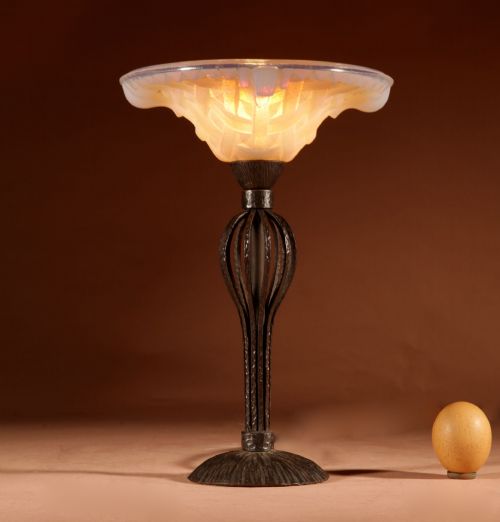
Metal components in brass and wrought iron appear in the operating hardware, desk accessories, and associated table lamps. This combination of dense hardwoods and durable metalwork ensured these functional items could withstand daily usage.
Vintage Press Desk Retail Price Guide 2026
Typical asking prices for vintage press desk among the pieces listed under this phrase on Sellingantiques today, from the lower quarter to the upper quarter. They describe what is for sale here now, not the wider market.
A cast iron printer's stamp from 1880 sits among the listings alongside domestic furniture.
Distinguishing quality in construction
The grade of timber selected for the main structure dictates the baseline quality of the piece. Fine grain mahogany and seasoned oak demonstrate a superior selection of raw materials compared to standard utility woods.
The execution of the mechanical press or secretaire drawer mechanism sets exceptional pieces apart. Smooth operation of internal fittings and crispness in the woodwork reflect the skill of the original workshop.
The Vintage Press Desk Glossary
- Secretaire
- A piece of furniture featuring a pull-down writing flap that conceals a fitted interior of small drawers and pigeonholes. This form allows a chest or press to double as a writing desk.
- Book press
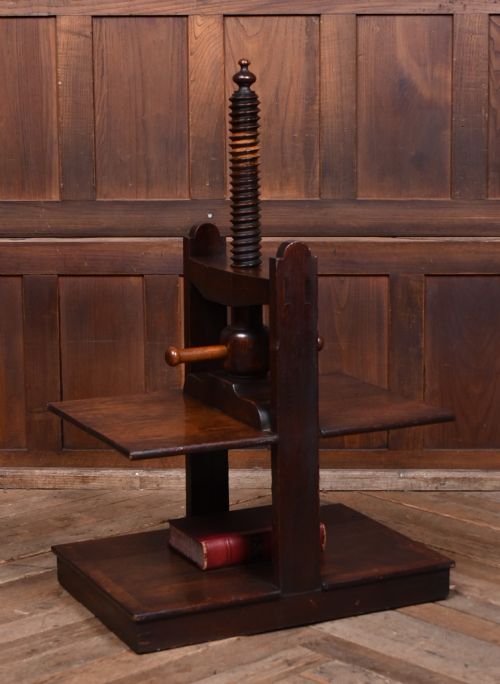
- A mechanical device used historically to flatten paper, bind books, or copy documents by applying steady downward pressure via a threaded screw. They are frequently mounted onto wooden tables.
- Linen press
- A tall storage cupboard traditionally used for pressing and storing household linens on sliding trays or shelves. In some configurations, the upper section is combined with a desk base.
- Satinwood inlay
- Decorative wood veneer pieces inserted into contrasting timber backgrounds to create geometric or floral patterns. This technique highlights the decorative ambitions of the maker.
Vintage Press Desk: Frequently Asked Questions
What is a vintage press desk?
A vintage press desk combines a working surface with heavy pressing or storage mechanisms, typically constructed from woods like oak or mahogany during the Georgian and Victorian eras.
These pieces were originally utilised in offices, libraries, or large households to manage documents, bind books, or store linens while providing a practical place to write.
How do I date a press desk?
Dating relies on identifying the underlying period styles, construction methods, and timber choices visible in the piece. Georgian and 18th-century examples often feature distinct proportions and dovetailing compared to later Victorian or Edwardian iterations.
Examining the hardware, such as brass pulls or iron screws, also helps establish the era in which the item was constructed.
Where were these desks used?
Historically, these items found places in estate libraries, merchant offices, and administrative rooms where document handling and heavy paperwork were daily necessities.
Today, they transition easily into domestic studies or living areas as characterful writing spaces with built-in historical utility.
Are press desks difficult to maintain?
Maintenance primarily involves regular dusting and the occasional application of appropriate wood wax to nourish the timber surfaces. The mechanical press screws benefit from light lubrication to keep them moving smoothly.
Keeping the pieces away from direct heat sources and extreme humidity protects the historic wood and joinery from drying out.