

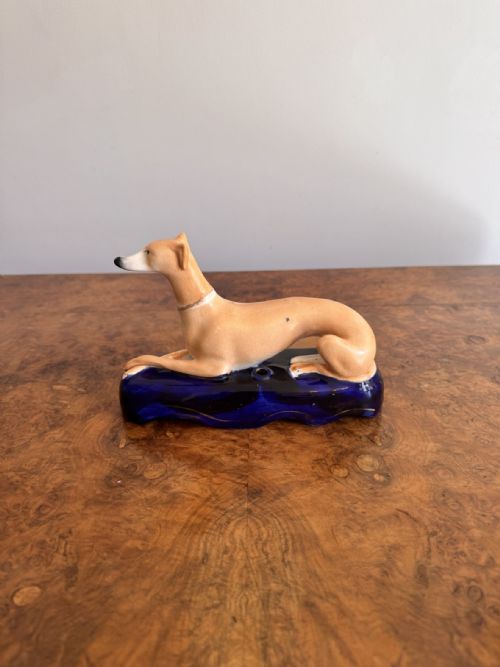
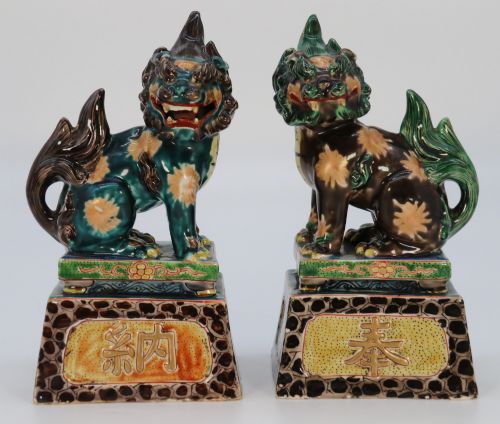
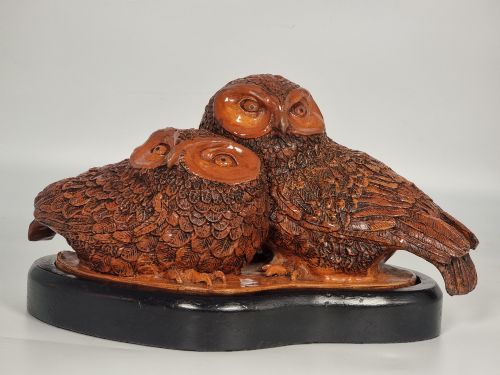
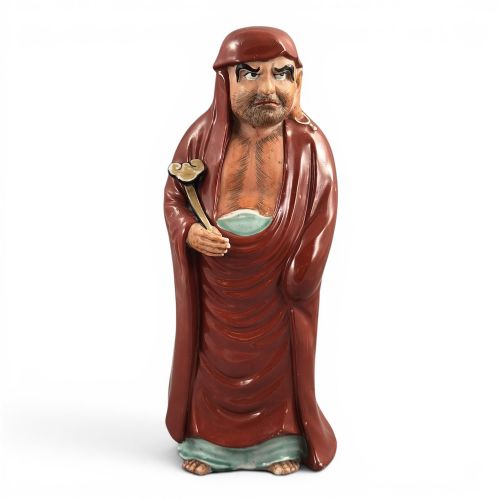



Vintage Pottery Sculpture
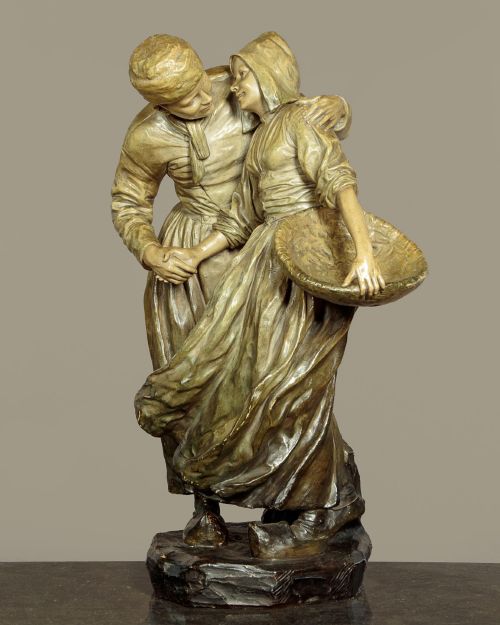
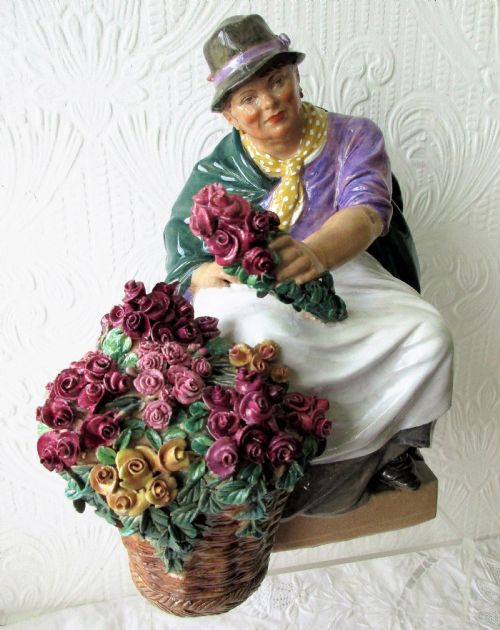
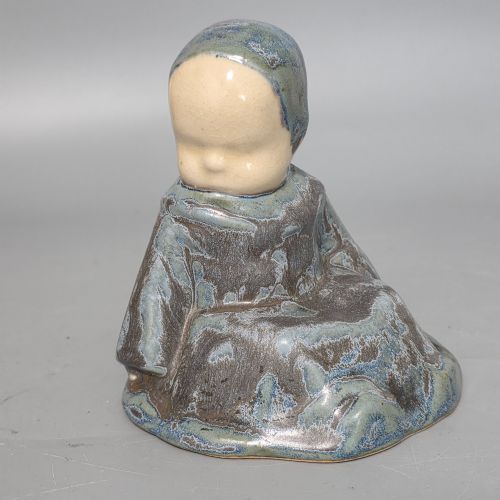
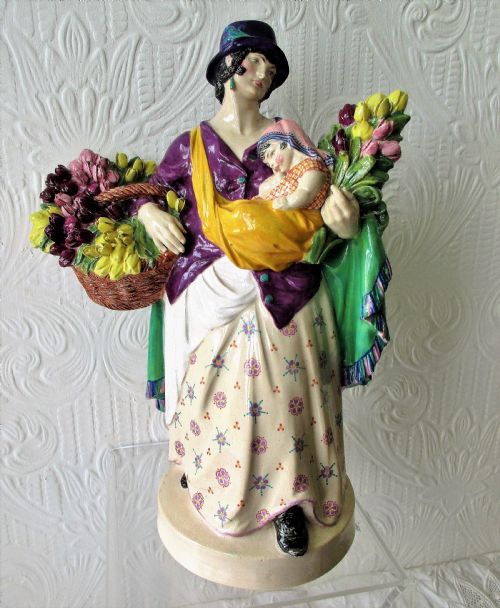
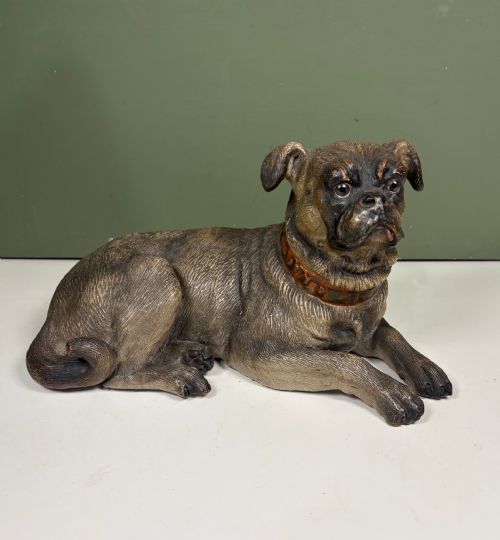
These vintage pottery sculpture pieces range from Art Deco animals to Victorian figurines, offering character and material weight for any room.
Vintage Pottery Sculpture
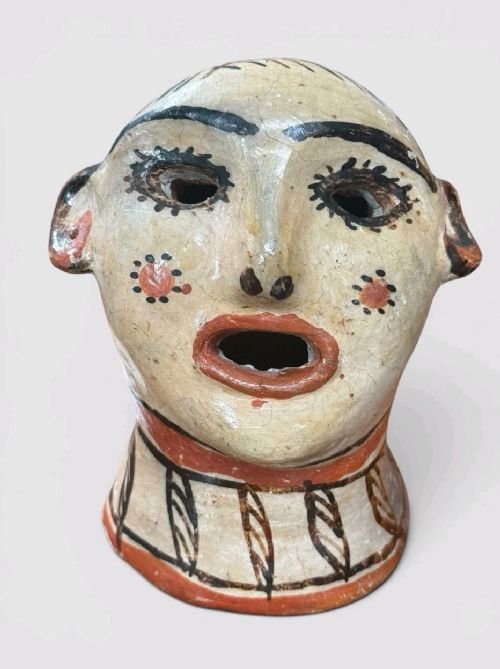
Most examples originate from the Victorian era up through the mid-twentieth century, with notable representation from the 1930s. Forms vary from functional bookends and inkwells to purely decorative statues and wall fountains. Studio pottery pieces and folk art terracottas provide alternative textures to mainstream factory production.
Materials and construction methods
Makers shaped these sculptures using earthenware, terracotta, stoneware, and porcelain, frequently finishing surfaces with coloured glazes, enamel, or glass eyes. Earthenware and terracotta dominate the vernacular figures, while porcelain and stoneware appear in more refined studio or Asian pieces. Hand modelling and moulding both served to form the clay bodies prior to firing.
Glazing techniques range from simple slip applications to complex Sancai polychrome finishes and metallic copper lustres. Bases occasionally incorporate ebonised wood or glass components, adding structural support or decorative contrast to the ceramic body.
Vintage Pottery Sculpture Retail Price Guide 2026
Typical asking prices for vintage pottery sculpture among the pieces listed under this phrase on Sellingantiques today, from the lower quarter to the upper quarter. They describe what is for sale here now, not the wider market.
Listings feature earthenware, terracotta, ceramic, and porcelain across periods from the 1860s through the 1960s.
Factors influencing quality
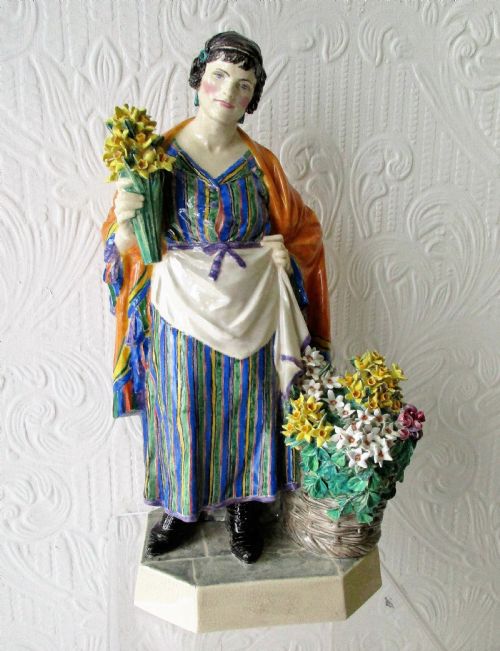
Attribution to known designers or documented potteries elevates the standing of an item within its specific genre. The integrity of the ceramic body and the preservation of original glazed surfaces remain primary determinants of value among collectors.
Goldscheider·Charles Vyse·Royal Dux Bohemia·Compton Potters Art Guild·Guido Cacciapuoti
The Vintage Pottery Sculpture Glossary
- Terracotta
- Fired unglazed clay of a brownish-red hue, frequently used for figurative modelling and architectural ornaments. It provides a matte surface that highlights fine hand-sculpted details.
- Okimono
- A Japanese decorative freestanding sculpture designed for display in a traditional interior setting. These figures often depict deities, animals, or legendary characters with high detail.
- Inkwell
- A small container for holding writing ink, often incorporated into figural ceramic bases depicting animals or literary scenes. Victorian desk accessories frequently took this sculptural form.
- Earthenware
- Porous pottery fired at lower temperatures, requiring a vitreous glaze to hold liquids and achieve a smooth finish. It forms the base material for many nineteenth-century Staffordshire and European figures.
Vintage Pottery Sculpture: Frequently Asked Questions
What is a pottery sculpture?
A pottery sculpture is a three-dimensional artistic or decorative object formed from clay and fired in a kiln. These pieces range from realistic animal figures and human busts to abstract forms and functional bookends.
Craftsmen often finished these sculptures with glazes, enamels, or terracotta patinas to enhance their visual texture. They serve primarily as display items in domestic interiors.
How do I identify Art Deco ceramics?
Art Deco ceramics typically display geometric styling, streamlined animal forms, and bold colour palettes including maroon, red, and black. These pieces frequently date from the 1920s and 1930s and reflect modern industrial design influences.
Look for stylised representations of felines, birds, and human figures paired with metallic highlights or glass accents. The overall aesthetic prioritises clean lines and dynamic movement over ornate Victorian detailing.
Where were Staffordshire figures made?
Staffordshire figures were produced primarily in the pottery towns of Stoke-on-Trent in England during the nineteenth century. Local potteries manufactured these earthenware pieces as affordable ornaments for mantelpieces.
Common subjects included dogs, notable historical figures, and rural scenes with vibrant hand-painted or transfer-printed details. These utilitarian mantel ornaments remain staples of English folk collections.
How should I clean antique pottery?
Antique pottery requires gentle dusting with a soft, dry brush to prevent the accumulation of dirt within crevices and glaze crazing. Avoid submerging porous terracotta or pieces with exposed clay bodies in water.
Harsh chemical cleaners can strip delicate enamel or metallic lustre highlights from the ceramic surface. Professional conservation is recommended for pieces with structural fragility or unstable repairs.