





Vintage Pottery House
These vintage pottery house objects bring tactile charm to a room, offering rustic character and historic earthenware forms that collectors prize.
Vintage Pottery House
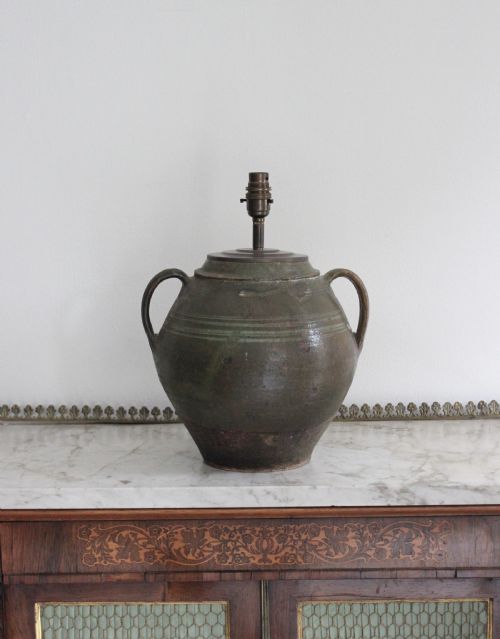
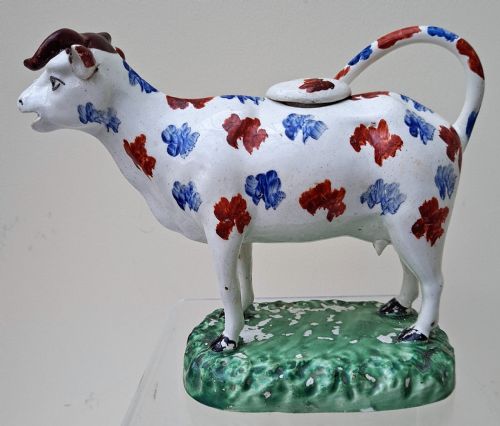
When you search for vintage pottery house pieces, you encounter a delightful mix of earthenware vessels, Staffordshire figures, and utilitarian ceramic wares spanning the nineteenth century. These items include cottages, farm animals like cow creamers, decorative plates, and table lamps shaped from clay.
The pieces appearing here reflect rural and domestic traditions, ranging from Georgian folk art to Victorian transferware. You meet jugs, teapots, and jardinieres that demonstrate the varied functional output of earlier British potteries.
Staffordshire cottages and utilitarian vessels dominate the selection, bringing distinct vernacular charm. These forms capture domestic scenes and country aesthetics that defined British households in the eighteen-hundreds.
How they were made
Potters shaped these objects from earthenware, clay, and terracotta, utilising traditional hand-forming and moulding techniques. The bodies were then coated with glaze to seal the porous ceramic material.
Decoration involved slipware methods, transfer printing, and hand painting, as seen in blue and white transfer patterns and Imari palettes. Some items incorporate brass components, particularly in lamp adaptations.
Vintage Pottery House Retail Price Guide 2026
Typical asking prices for vintage pottery house among the pieces listed under this phrase on Sellingantiques today, from the lower quarter to the upper quarter. They describe what is for sale here now, not the wider market.
A cow creamer allows cream to be poured directly from the beast's mouth, adding whimsy to tea.
What varies in quality
Quality rests in the crispness of the moulding and the depth of the glaze application. Finer pieces display clear transfer details and deliberate hand-painted brushwork rather than muddy colours.
The artistry of the form separates standard utilitarian vessels from superior decorative figures and agateware. Well-defined Staffordshire models and intricate slipware patterns hold greater visual appeal.
The Vintage Pottery House Glossary
- Earthenware
- Porous pottery fired at lower temperatures, commonly used for traditional jugs, plates, and cottage ornaments before being glazed.
- Slipware
- Pottery decorated with a thin mixture of clay and water applied before firing, creating smooth surface patterns.
- Transferware
- Ceramic pieces decorated by transferring a printed design from an engraved copper plate onto the pottery surface.
- Agateware
- Pottery made by blending different coloured clays to imitate the variegated appearance of natural agate stone.
Vintage Pottery House: Frequently Asked Questions
What is a Staffordshire cottage?
Staffordshire cottages are ceramic models produced in the nineteenth century, often serving as pastille burners or decorative mantel ornaments.
They depict rural dwellings with detailed roofs and painted flora, capturing Victorian domestic sentiment.
How do I date these ceramics?
Dating relies on stylistic clues, glaze characteristics, and potting techniques associated with periods like the Georgian and Victorian eras.
Makers' marks and pattern names also help narrow down the decade of production.
Were these items used daily?
Many pieces such as ale jugs, plates, and creamers served practical functions in nineteenth-century kitchens and dining rooms.
Others, like flatback figures and jardinieres, were purely decorative additions to the home.
How should I clean antique pottery?
Clean these delicate earthenware pieces gently with a dry or barely damp cloth to protect the historic glaze and decoration.
Avoid immersing them in water, especially if they feature old repairs or porous unglazed areas.