



Vintage Posy Vase
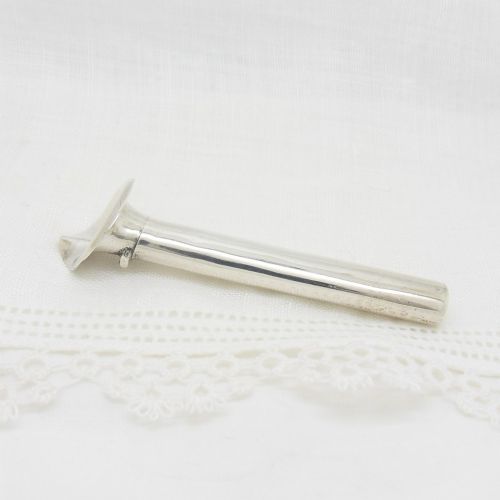
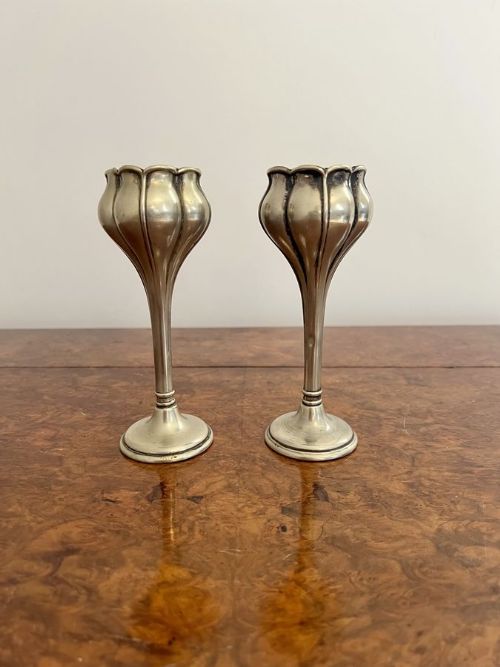
These vintage posy vase examples bring small arrangements into domestic rooms with concise forms from Victorian, Edwardian, and later twentieth century makers.
Vintage Posy Vase
A vintage posy vase encompasses small vessels designed specifically to hold compact floral arrangements rather than large bouquets. The pieces available span Victorian, Edwardian, Art Nouveau, Art Deco, and French Country styles, alongside mid twentieth century output.
Buyers encounter distinct forms ranging from button hole holders and spill vases to ceramic posy holders and decorative flower holders. Materials include sterling silver, silver plate, ceramic, enamel, glass, ironstone, gilt, and cut glass.
Origins stretch across British regional silversmiths, French workshops, and noted potteries such as Mason's and Royal Worcester. These domestic receptacles serve collectors seeking specific period aesthetics and functional floral display items.
How they were made
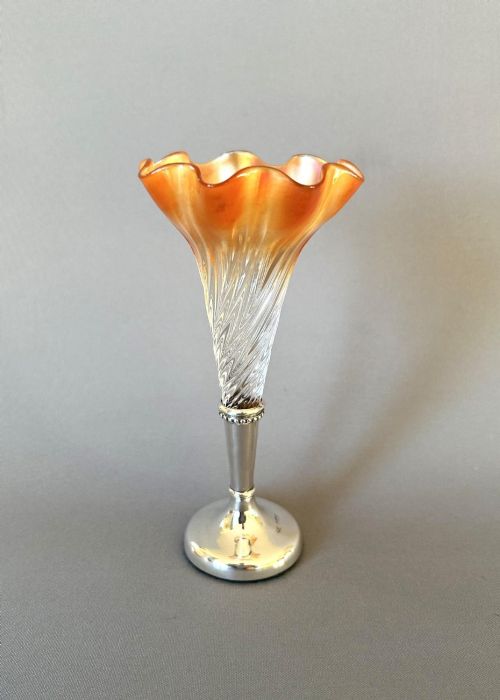
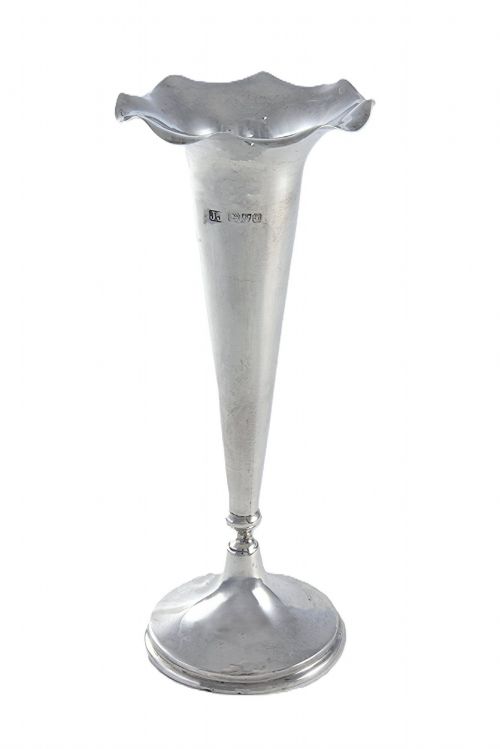
Silversmiths shaped sterling silver and silver plate through spinning, stamping, and piercing, often incorporating wrythen glass inserts or enamel accents. Hallmarks stamped into the metal record the assay office, year letter, and maker.
Ceramic pieces utilise ironstone, earthenware, and porcelain bodies finished with hand painted motifs, exotic bird transfers, or gilt highlights. Glass items combine cut patterns with mounted metal rims or collars.
Vintage Posy Vase Retail Price Guide 2026
Typical asking prices for vintage posy vase among the pieces listed under this phrase on Sellingantiques today, from the lower quarter to the upper quarter. They describe what is for sale here now, not the wider market.
What varies in quality
Execution of hand painted detail distinguishes standard production from superior examples, particularly on ceramic bodies bearing pictorial scenes or avian subjects. Crispness in cut glass facets and precision in metal piercing dictate the overall refinement of a piece.
Makers' marks and legible hallmarks provide firm attribution that elevates desirability among collectors. Preservation of original surface finishes, whether silver plating, gilt, or enamel, directly influences the integrity of the object.
Henry Matthews·Royal Worcester
The Vintage Posy Vase Glossary
- Spill vase
- A tall, narrow receptacle originally designed to hold wooden spills used for lighting fires or candles. These cylindrical vessels frequently double as small flower holders.
- Ironstone
- A heavy, durable type of earthenware patented in the nineteenth century. It provides a sturdy white body well suited to colourful underglaze transfer printing.
- Wrythen
- A decorative swirling fluting or twisted pattern formed into glassware or metalwork. This technique catches the light dynamically across curved surfaces.
- Assay office
- An official body charged with testing the purity of precious metals and stamping them with statutory hallmarks. British offices include Birmingham and Chester.
- Faience
- Tin glazed earthenware produced in France and other European regions. It typically displays hand painted decoration over an opaque white background.
Vintage Posy Vase: Frequently Asked Questions
How do I date a silver posy vase?
Silver posy vases are dated by reading the hallmarks stamped directly into the metal, which include town marks, standard marks, and date letters corresponding to specific assay office records. Comparing the stylistic cues, such as Art Nouveau curves or Edwardian proportions, helps confirm the era.
Maker marks also assist in narrowing down the exact year of production when official assay records are accessible.
Were spill vases used for flowers?
Spill vases were originally manufactured to hold thin wooden spills used to transfer flames from a hearth to candles or lamps. Over time, their convenient tubular proportions made them natural receptacles for single stems and small floral gatherings.
Victorian and Edwardian households frequently repurposed these items to display garden cuttings on mantelpieces.
How do I clean antique silver holders?
Antique silver posy holders require gentle cleaning with a soft cloth and a reputable silver polish formulated to preserve patination and avoid abrasive wear. Removing tarnish carefully maintains the clarity of engraved details and stamped hallmarks.
Harsh chemical dips should be avoided, particularly on pieces featuring glass inserts, enamel work, or weighted bases.