



Vintage Postal Box
A vintage postal box brings the character of early mail handling directly into a home, offering sturdy storage for letters or small desk items.
Vintage Postal Box
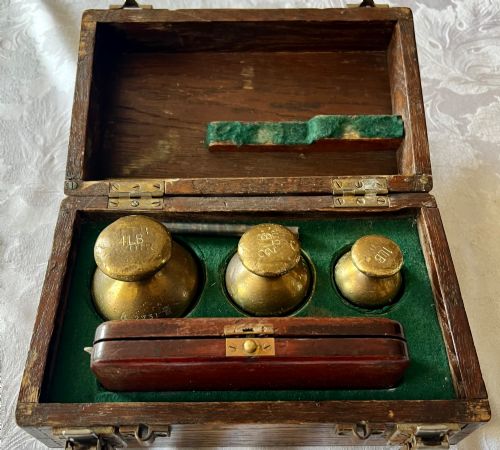
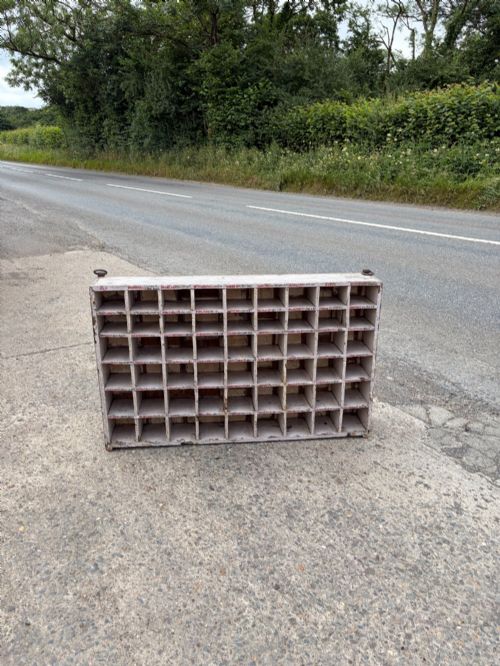
You are most likely to meet wall post boxes, hotel letterboxes, and pigeon holes reflecting periods from 1870 through to 1930. The forms include brass-mounted desktop accessories, wooden wall-hung postboxes, and multi-section stamp holders.
The objects serve as functional reminders of historical communication systems, executed in styles spanning Victorian, Edwardian, and industrial aesthetics. Each form addresses a specific domestic or commercial requirement for managing post.
How they were made
Makers utilised robust hardwoods such as oak, mahogany, and pine to construct the bodies of larger letter boxes and pigeon holes. These woods often feature brass mounts or glass panels to create durable enclosures for daily mail.
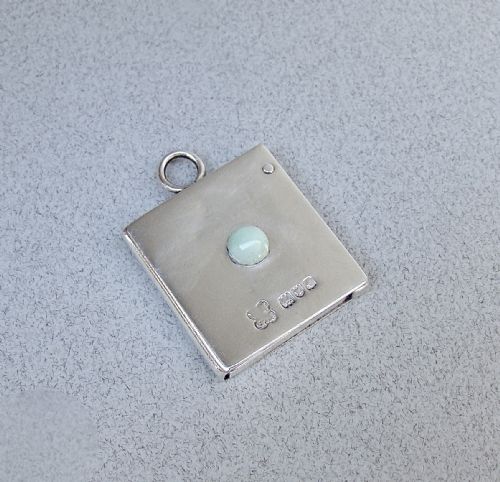
Smaller desk accessories like stamp boxes and cases employ metal, iron, and sterling silver, sometimes finished with silver plating or applied paint. Construction methods combine traditional cabinetry joinery with specialised metalworking for swivel mechanisms and dispensers.
Vintage Postal Box Retail Price Guide 2026
Typical asking prices for vintage postal box among the pieces listed under this phrase on Sellingantiques today, from the lower quarter to the upper quarter. They describe what is for sale here now, not the wider market.
Materials documented across the inventory include oak, mahogany, pine, brass, glass, iron, and sterling silver.
What varies in quality
Quality reveals itself in the selection of materials and the precision of assembly, distinguishing standard utility items from finer domestic furnishings. Heavier brass mountings, carefully fitted glass, and solid oak or mahogany construction denote superior craftsmanship.
Makers distinguished their work through patented mechanisms and hallmarked silver components, as seen in specialised stamp applicators and swivel cases. The integration of functional hardware with well-proportioned timber framework marks the higher standard of the range.
W & G Neal·MacNeills Patent
The Vintage Postal Box Glossary
- Victorian
- Relating to the reign of Queen Victoria, spanning from 1837 to 1901. Pieces from this period often display robust proportions and ornate brass detailing.
- Edwardian
- Pertaining to the period from 1901 to 1910 during the reign of King Edward VII. Items frequently exhibit lighter country house aesthetics.
- Pigeon holes
- Compartmented shelving units used for sorting mail and documents. They provide open access for organising correspondence in a study or office.
- Stamp case
- A small container designed specifically for holding postage stamps. These desktop accessories often feature multiple internal sections.
- Postbox
- A secure container for depositing or storing letters. Examples range from wall-mounted units to large country house receptacles.
Vintage Postal Box: Frequently Asked Questions
How were vintage postal boxes used?
These boxes served to collect, sort, and secure daily correspondence in domestic households, hotels, and commercial offices. Larger wall-hung units received incoming mail, whilst desktop boxes organised writing paper and stamps.
Smaller items like stamp cases sat on writing desks to keep postal adhesives clean and accessible. Each design fulfilled a specific administrative task within nineteenth and early twentieth-century communication routines.
What materials do these pieces use?
Constructors employed a variety of durable materials, predominantly featuring hardwoods like oak, mahogany, and pine for larger box bodies and pigeon holes. Metal components, brass mounts, and glass panels frequently reinforced these wooden structures.
For smaller desk accessories, makers turned to iron, painted finishes, sterling silver, and silver plating. This mix of timber and metal ensured both longevity and decorative appeal.
How do I date a postal box?
Dating relies on identifying period styles, construction techniques, and specific design markers such as royal cyphers or hallmarked metals. Pieces associated with the Victorian era often show heavier proportions, whilst Edwardian examples tend toward lighter country house styling.
Patent marks and maker stamps provide precise chronological indicators when present. Comparing the wood types and hardware against documented manufacturing periods helps narrow the date further.
Where do I place one at home?
A vintage postal box fits naturally in an entryway, hallway, or home office where correspondence accumulates. Wall-mounted postboxes can serve a functional role for sorting daily mail near an entrance.
Smaller stamp cases and desk accessories find a suitable home on top of writing tables or bookshelves. Their historic character allows them to function as both decorative objects and practical storage.
Are all postal boxes wall-mounted?
No, postal boxes and associated accessories exist in multiple formats designed for different settings. Whilst certain postboxes mount directly to walls, others function as freestanding desk boxes or hotel letterboxes.
Items such as pigeon holes and stamp dispensers rest upon tables or inside cabinetry rather than hanging on walls. The intended placement dictated the original form of each piece.