





Vintage Post Sign
A vintage post sign directs the eye through painted layers of oil and glass, capturing mid-century trade and travel.
Vintage Post Sign
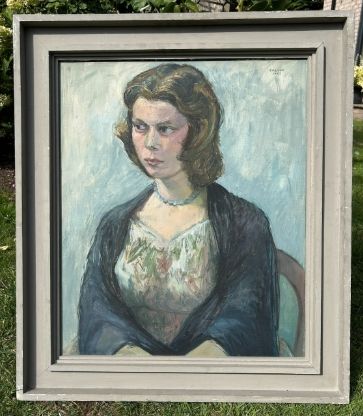
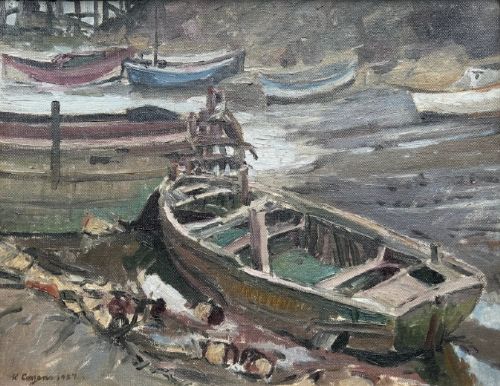
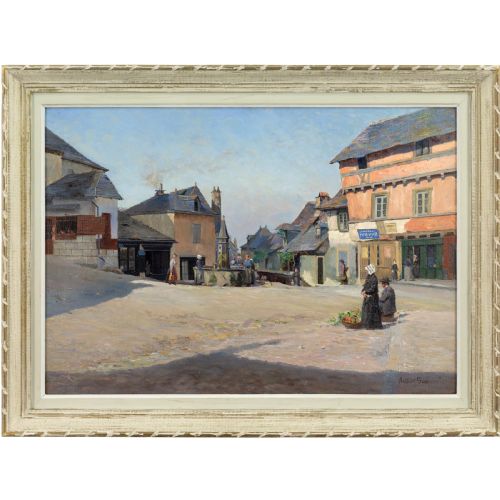
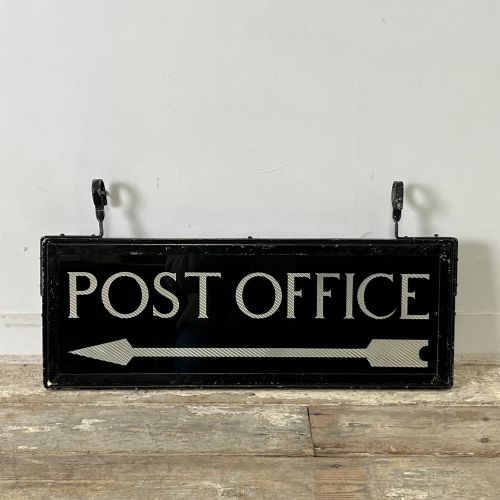
A vintage post sign encompasses directional glass panels and framed oil paintings originating from the early to mid-twentieth century.
The selections span directional signs and fine art oil paintings from the nineteen-hundreds to the nineteen-sixties, reflecting period aesthetics.
Buyers encounter oil on canvas and glass objects associated with modern British, Post-Impressionist, and mid-century design movements.
Materials and construction
Makers utilised oil paint applied to canvas, wood panels, board, and glass surfaces using traditional brushes.
Framed glass panels provide durable double-sided mounting for directional lettering, while wooden boards support pigment layers.
Vintage Post Sign Retail Price Guide 2026
Typical asking prices for vintage post sign among the pieces listed under this phrase on Sellingantiques today, from the lower quarter to the upper quarter. They describe what is for sale here now, not the wider market.
Materials documented in the collection include oil paint, canvas, wood, board, glass, and pencil on paper.
Evaluating the range
Distinction relies on the clarity of brushwork, pigment preservation across canvas and board, and the structural integrity of glass signs.
Significance increases with documented artist signatures, period framing, and strong provenance such as retail association with Liberty and Co.
Kenneth Cozens·Arthur Gué·Henri Vincent-Anglade·Majorie Hoare·Augustus Edwin John·Sir Matthew Smith·John Gilbey Bowles·Maud Frances Eyston Sumner·A. Michaelis·Antoine Bouvard·Markey Robinson·Bernard Meninsky·Alastair Flatterly·Maurice Sijs
The Vintage Post Sign Glossary
- Oil on Board
- Pigment suspended in drying oil applied to a rigid wooden or composite board base. This medium allows for rapid gestural marks common in plein air studies.
- Double Sided
- Signage or panels finished with lettering or imagery on both front and reverse sides. This construction maximised visibility in public or commercial spaces.
- Post-Impressionism
- Art movement extending impressionist methods with bolder forms and expressive use of colour. Artists in this style emphasised symbolic content over naturalism.
- Constructivism
- Artistic and architectural approach originating in Russia emphasising abstract geometric forms. Works in this vein often depict industrial machinery and urban structures.
- Provenance
- The documented history of ownership of an object from its creation to the present day. Verified lineage establishes authenticity and historical context.
Vintage Post Sign: Frequently Asked Questions
What is a vintage post sign?
A vintage post sign typically comprises mid-century directional glass panels or paintings from the early decades of the twentieth century. These items served functional roles in public navigation or display.
Today they function primarily as decorative wall art and historical artefacts within residential and commercial interiors.
How were these signs used?
Original directional signs hung outside or inside institutions like post offices to guide public movement and transit. Glass and wood construction ensured durability in public environments.
Over time, surviving examples transitioned from functional street furniture into collected wall signage and fine art pieces.
How do I clean oil paintings?
Painted surfaces on canvas or board require gentle dusting with a soft, dry brush to remove particulate matter without disturbing the pigment. Moisture and domestic cleaning agents should be avoided entirely.
Professional conservators handle deeper cleaning and varnish removal to protect fragile oil layers from damage.
How do I date these pieces?
Dating relies on stylistic markers, framing techniques, and materials such as early twentieth-century canvas boards or glass panels. Signatures and historical records offer precise chronological anchors.
Comparing the subject matter and artistic movement, such as post-war British landscapes, further narrows the period of creation.