


Vintage Portrait Watercolor
When you search for vintage portrait watercolor, you meet original works on paper capturing individual likenesses across periods from the Georgian era to the mid-twentieth century.
Vintage Portrait Watercolor
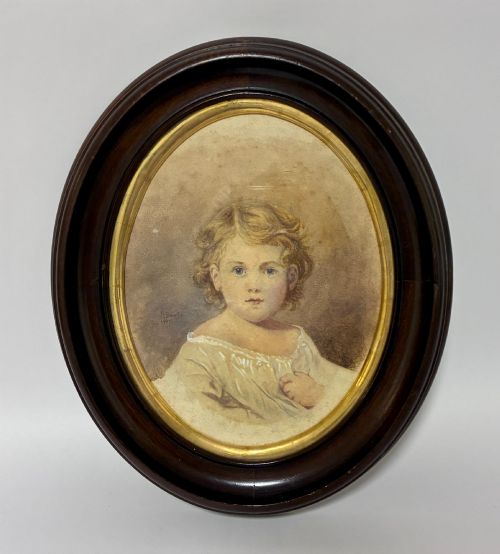
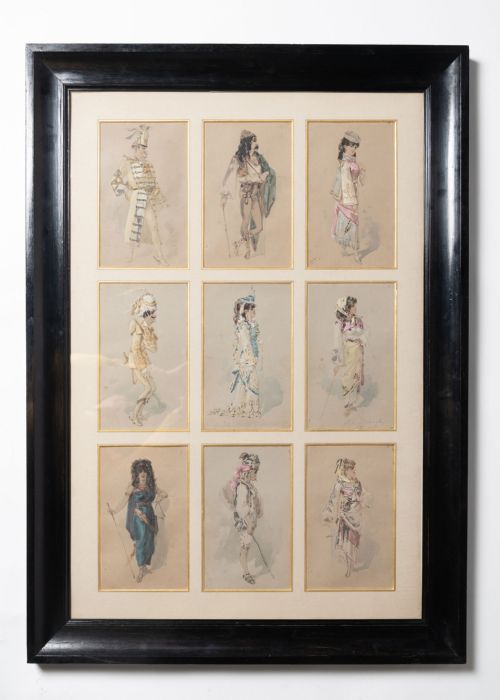
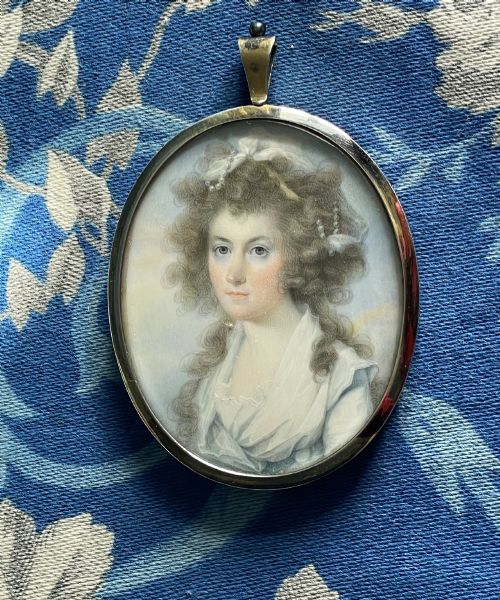
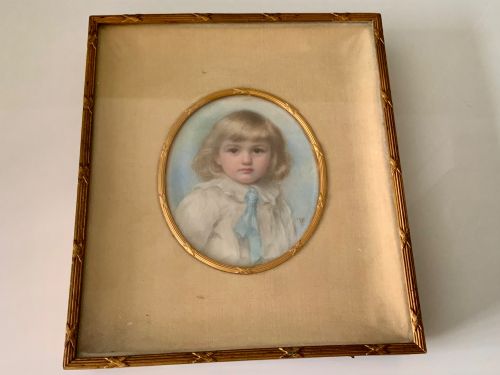
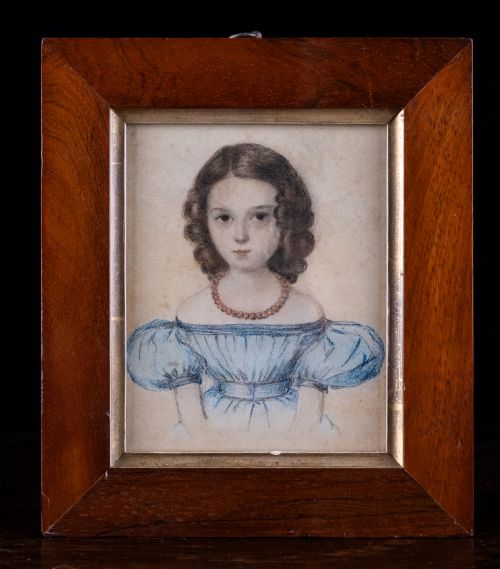
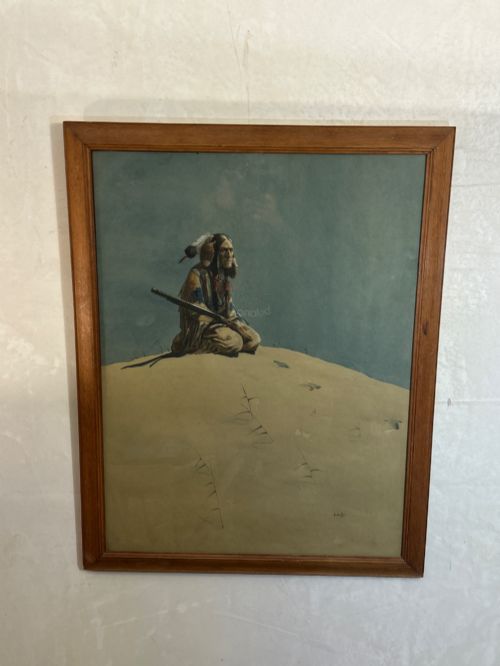
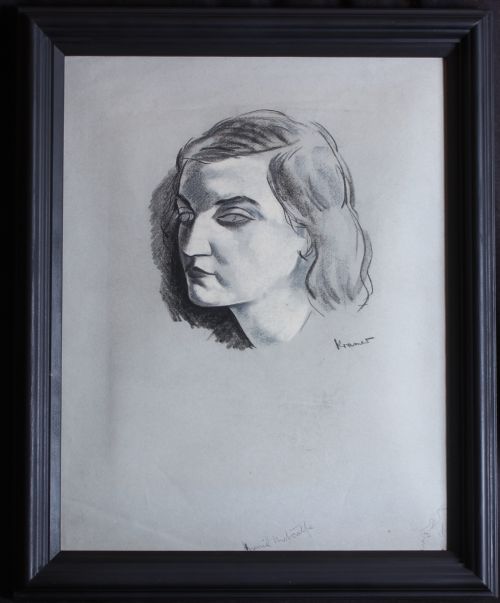
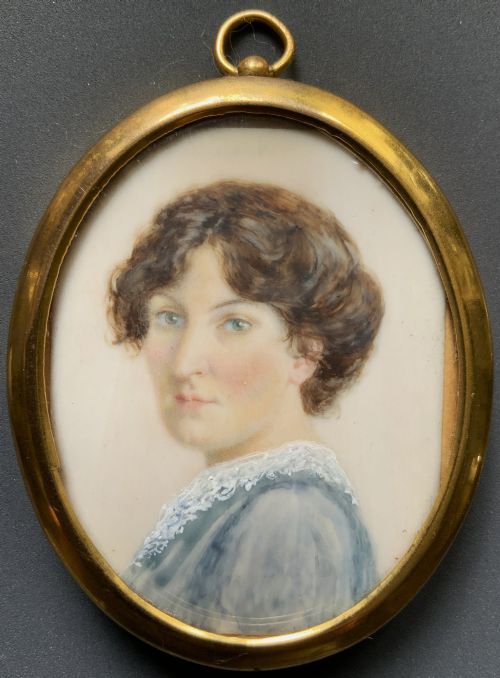
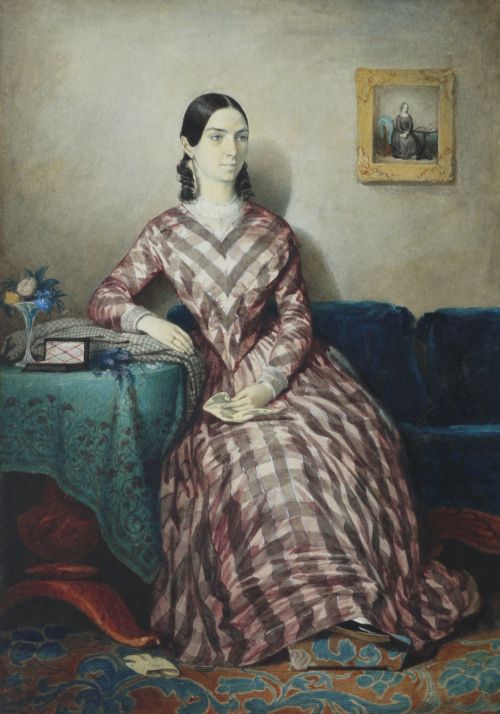
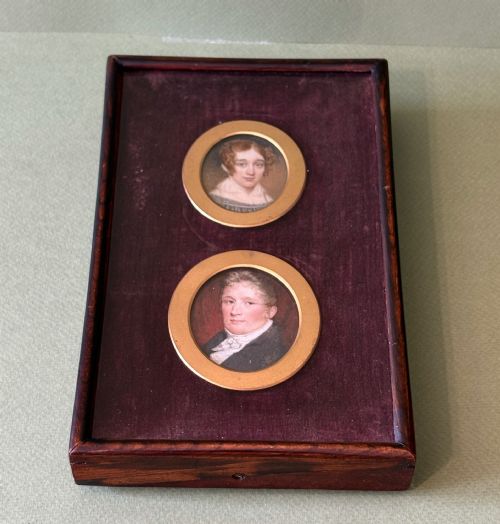
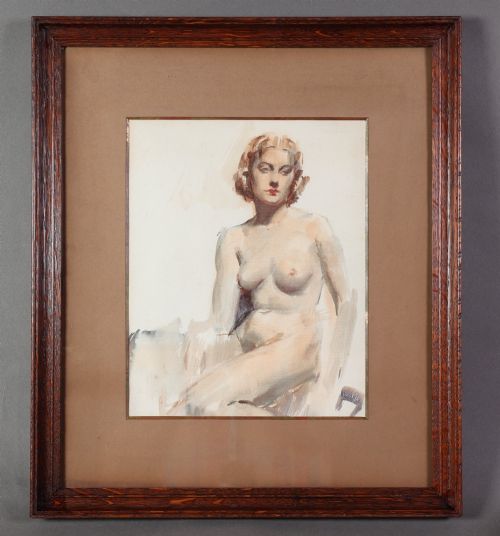
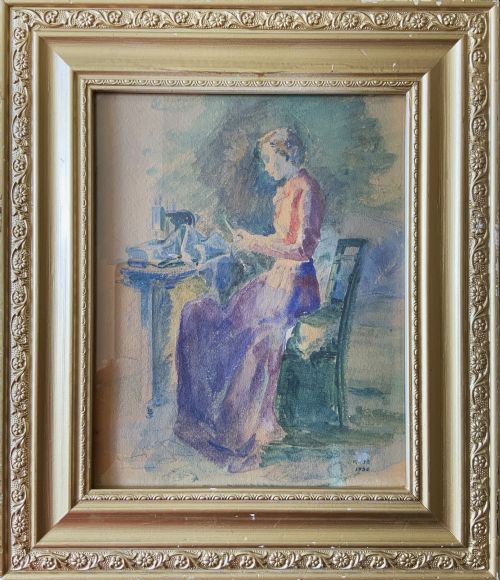
A vintage portrait watercolor selection brings together framed paintings, portrait miniatures and wall art originating from British, European, American and Asian schools. These works capture subjects ranging from children and soldiers to domestic sitters, executed across the nineteenth and twentieth centuries.
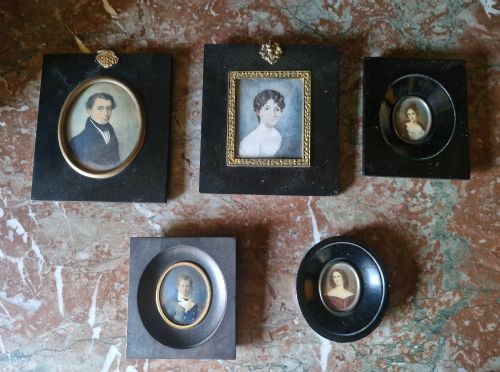
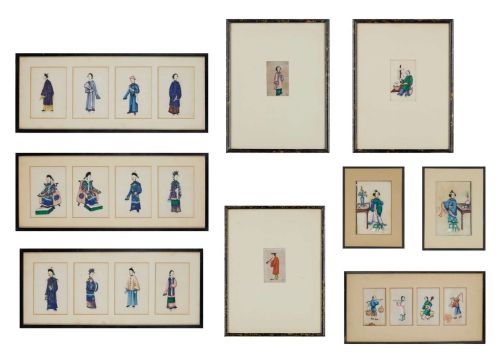
The material record spans standard watercolour sheets, pith paper and gouache combinations, frequently housed behind glass within period wooden, brass or gilt metal frames. Buyers encounter small-scale miniatures alongside larger framed character studies and full-length depictions.
Dating ranges from Regency and Georgian examples through Edwardian and Art Deco periods up to mid-century impressionism. The common thread uniting these diverse paintings is the primary use of water-based pigments on paper to render human subjects.
How they were made
Finished paintings were secured behind glass and mounted within frames constructed from wood, gold leaf, brass or gilt metal. Ebonised timber frames and silver surrounds frequently protected delicate nineteenth-century miniatures from environmental damage.
Vintage Portrait Watercolor Retail Price Guide 2026
Typical asking prices for vintage portrait watercolor among the pieces listed under this phrase on Sellingantiques today, from the lower quarter to the upper quarter. They describe what is for sale here now, not the wider market.
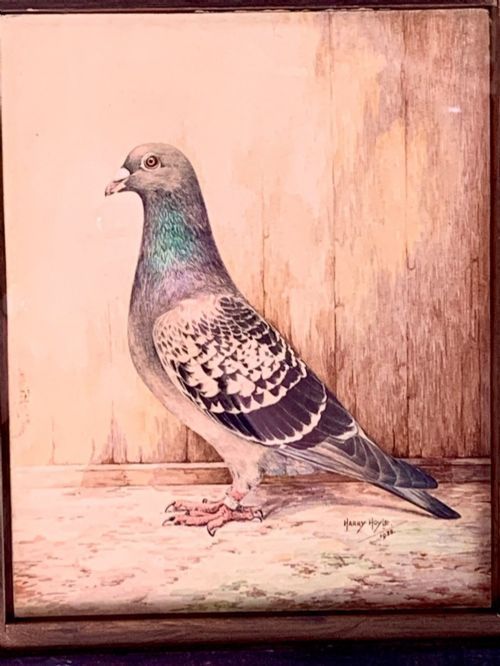
Canine subjects join human sitters, including a royal messenger pigeon and a champion hunt pack of Welsh hounds.
What varies in quality
The skill of the brushwork and the precision of the facial likeness separate standard regional works from master-executed portraiture. Controlled washes and expressive handling of pigment indicate superior artistic competence.
The integrity of the framing materials, from original gold leaf and brass to period ebonised wood, contributes significantly to the standing of a piece. Works retaining their original glass and housing display greater historical coherence.
John Hassall·John C D Engleheart·Percy Lancaster·Alexander Harwood·Vincenzo D’Esposito·Arthur Wardle·Robert Eadie·Raoul Millais
The Vintage Portrait Watercolor Glossary
- Watercolour
- A painting method in which the paints are made of pigments suspended in a water-based solution. Transparent washes create luminous effects on paper.
- Gouache
- An opaque water-based paint that includes a binding agent, allowing for solid blocks of colour and fine highlights.
- Portrait Miniature
- A small-scale painted likeness, popular from the Georgian period onward, often housed in a protective metal or wooden frame under glass.
- Pith Painting
- Artwork executed on a porous vegetable material derived from pith paper, characteristic of nineteenth-century Chinese export art.
- Wash
- A thin, fluid layer of translucent watercolour spread evenly across the paper to build background depth or atmospheric tone.
Vintage Portrait Watercolor: Frequently Asked Questions
How should I hang portrait watercolours safely?
Keep watercolours away from direct sunlight to prevent the pigments and paper from fading over time. Stable indoor humidity levels protect both the paper support and the original frame.
Use professional framing services to ensure acid-free backing materials separate the painting from the glass. Secure hanging hardware suited to the weight of wood and metal frames.
How do I identify a Georgian portrait miniature?
Georgian miniatures typically feature delicate watercolour or gouache rendering on paper, enclosed in ebonised wood or gilt metal frames. Subjects often wear period attire such as high-waisted dresses or formal coats.
Examine the reverse of the frame for handwritten inscriptions, old labels or woven hair compartments, which frequently accompany pieces from this era.
What is the difference between watercolour and gouache?
Watercolour relies on transparent washes that allow the reflective quality of the underlying paper to illuminate the pigment. Painters use it to achieve soft gradients and subtle atmospheric effects.
Gouache incorporates opaque white fillers, creating a heavier, matte finish that resembles tempera or oil paint. Artists utilise it to add crisp highlights and solid colour passages.
Are pith paintings fragile?
Pith paper is manufactured from natural plant pith, making the material inherently delicate and sensitive to pressure. The surface structure easily cracks if bent or subjected to excessive moisture.
These nineteenth-century works require permanent protection beneath glass and professional handling to preserve the integrity of the painted botanical or figural scenes.