
Vintage Portrait Sketches
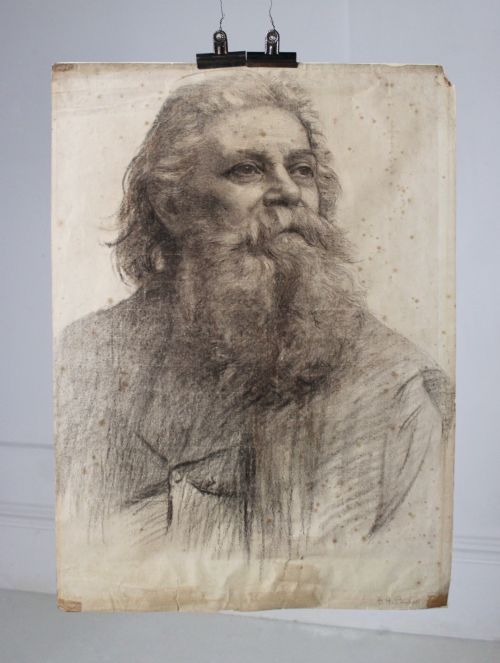
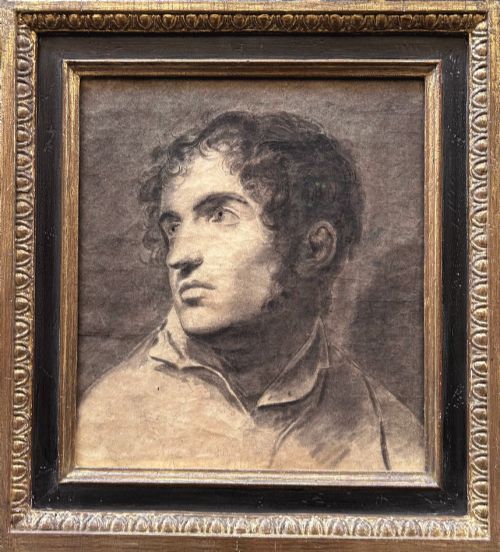
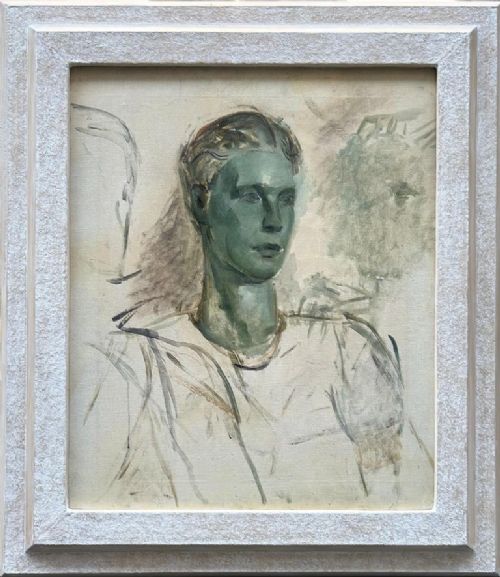
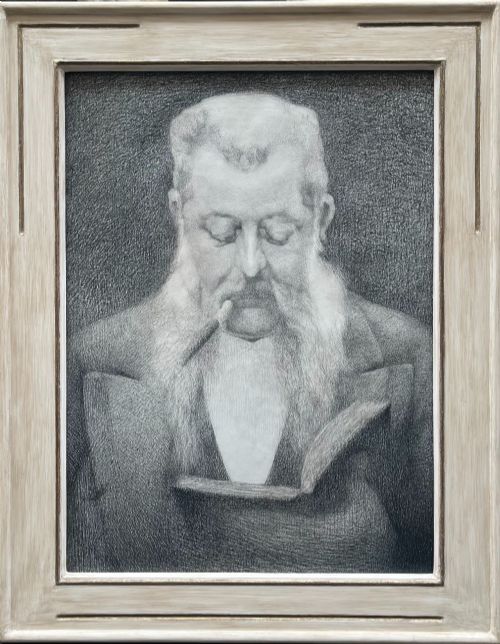
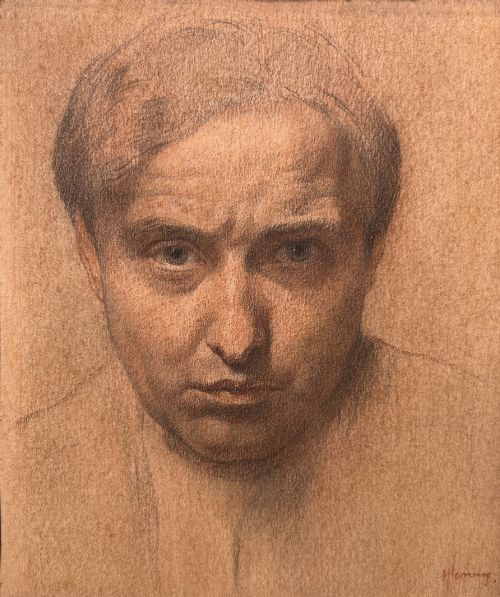
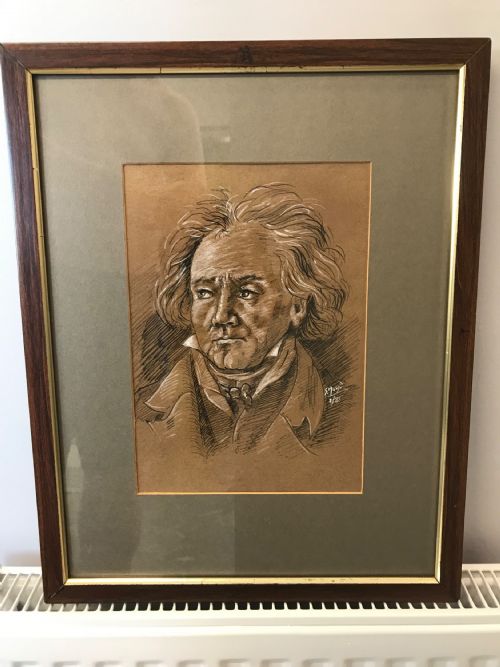
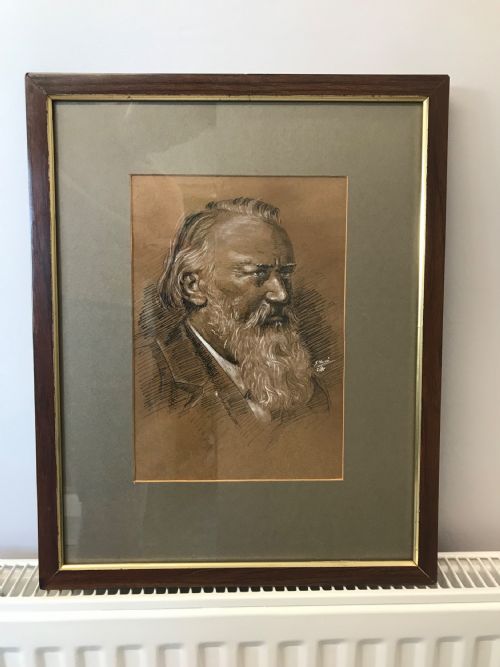
Vintage portrait sketches capture character swiftly through the direct marks of graphite, charcoal, pastel, and ink on paper.
Vintage Portrait Sketches
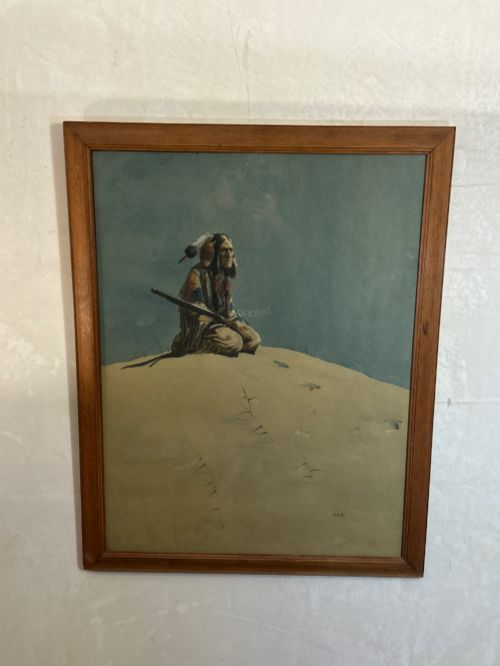
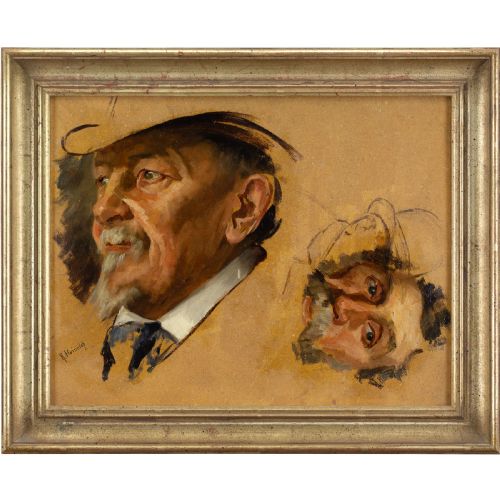
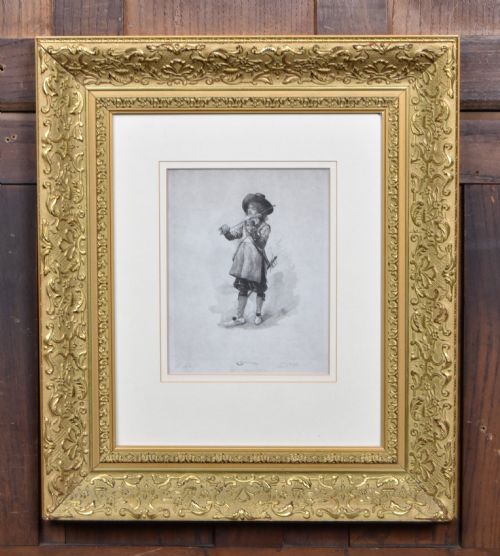
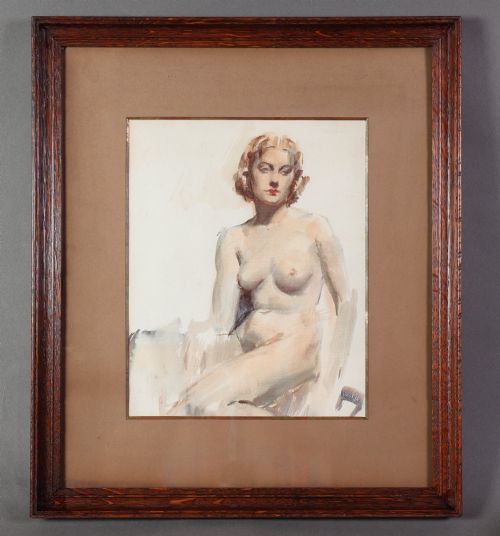
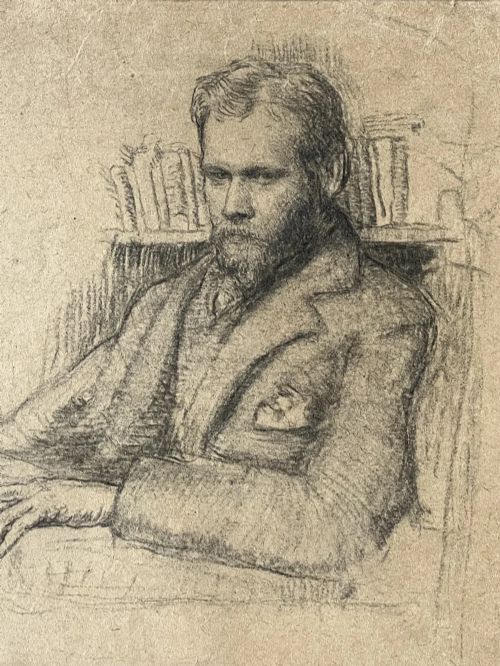
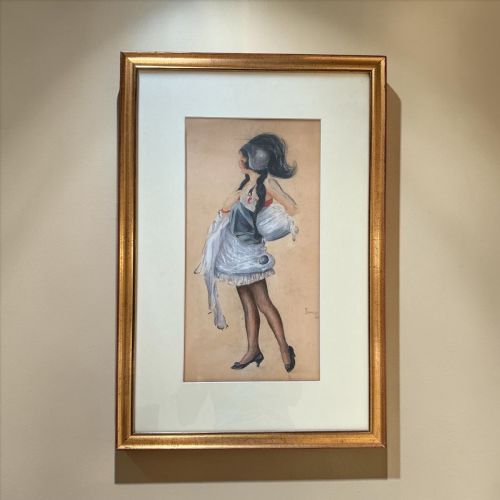
Vintage portrait sketches encompass works on paper executed in mediums like graphite, charcoal, pastel, ink, and watercolour spanning from the nineteenth century through the mid-twentieth century.
The selections encountered most frequently on this page originate from the Edwardian period, the 1920s, 1930s, and 1940s, alongside nineteenth-century examples.
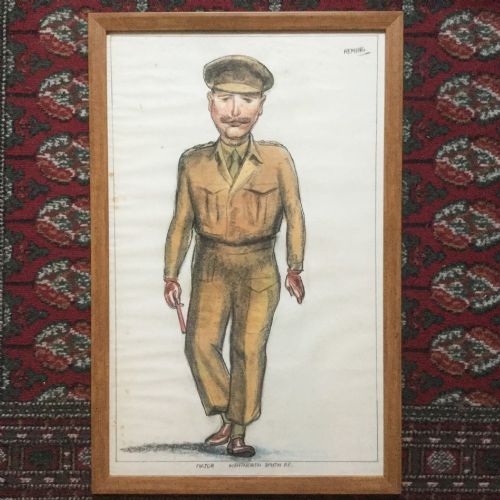
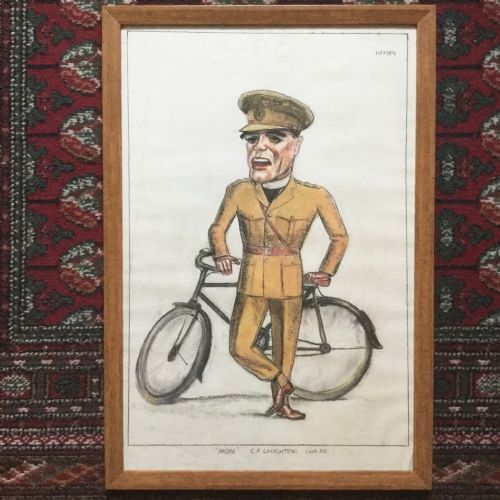
These pieces present varied subjects including studio life studies, wartime officers, and named sitters captured by British and European schools.
Materials and technique
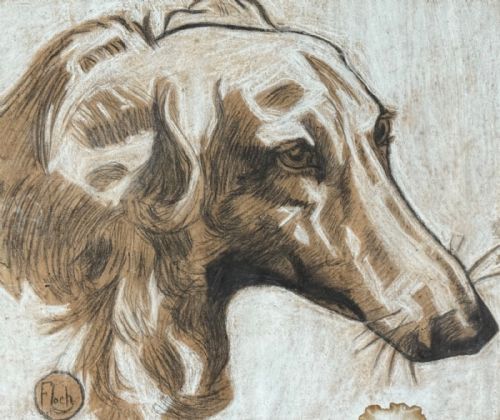
Artists utilised dry mediums such as graphite, charcoal, and sanguine chalk directly on paper or buff grounds to build form through line and shadow.
Watercolour, gouache, and ink washes were frequently applied over initial pencil drawings to add tone, colour, and depth to the paper supports.
Several cats make formal appearances among the human sitters, rendered with the same attentive seriousness as any nineteenth-century gentleman.
What varies in quality
Quality rests in the economy of line and the sureness with which the artist captures the likeness and volume of the sitter without hesitation.
The preservation of the paper support, the stability of delicate pastel or charcoal mediums under glass, and the clarity of the initial drawn marks distinguish superior works.
John Hassall·Augustus John·Frank Moss Bennett·Lucien Freud
The Vintage Portrait Sketches Glossary
- Graphite
- A form of carbon used in pencils that produces grey or black marks capable of fine detail and broad tonal shading.
- Sanguine
- A reddish-brown chalk or crayon used traditionally for figure and portrait studies since the Renaissance.
- Gouache
- An opaque watercolour paint that dries to a matte finish, often utilised alongside ink or pencil to add highlights.
- Buff paper
- A warm yellowish-brown paper stock frequently used by artists to provide a neutral mid-tone ground for charcoal and chalk.
- Works on paper
- A collective term encompassing drawings, watercolours, prints, and pastel sketches executed on various paper supports.
Vintage Portrait Sketches: Frequently Asked Questions
What is the difference between a sketch and a painting?
Sketches rely primarily on linear marks made with graphite, charcoal, ink, or chalk to capture a subject rapidly. They often reveal the working process and initial thoughts of the artist.
Paintings utilise wet mediums applied with brushes to cover surfaces completely in oil or watercolour. Portrait sketches on paper bridge the gap between preliminary studies and finished works.
How do I identify the period of a sketch?
Clothing styles, hairstyles, and uniforms worn by sitters offer immediate clues to the decade in which the portrait was created. Wartime pieces often record specific military regiments and dates within the Edwardian or mid-century eras.
The type of paper, framing remnants, and artist signatures also help anchor the work within nineteenth-century or twentieth-century traditions.
Can I display portrait sketches in bright rooms?
Works executed in pastel, watercolour, and ink are sensitive to ultraviolet light and can fade significantly if exposed to intense illumination. Displaying them on interior walls away from direct sunlight preserves the original tones of the medium.
Using specialised conservation glass with UV-filtering properties provides an additional layer of protection for delicate vintage drawings.