



Vintage Portrait on Board
A vintage portrait on board captures a direct likeness on a rigid wooden or panel support, offering character and history for any wall.
Vintage Portrait on Board
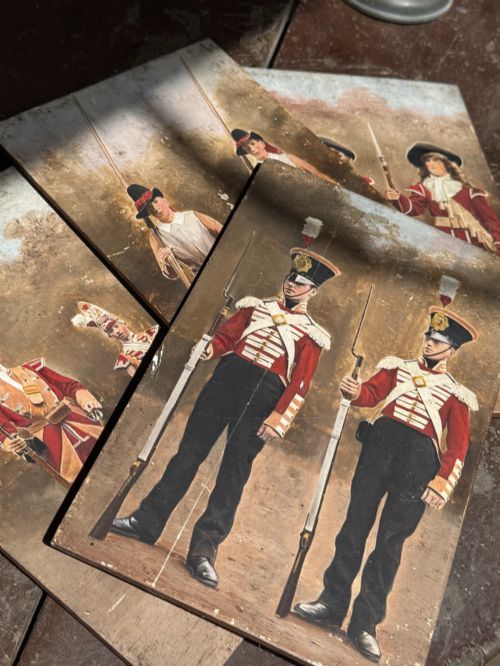
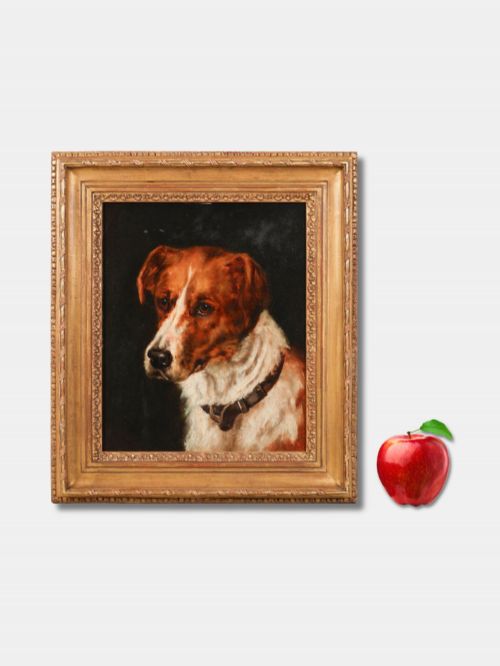
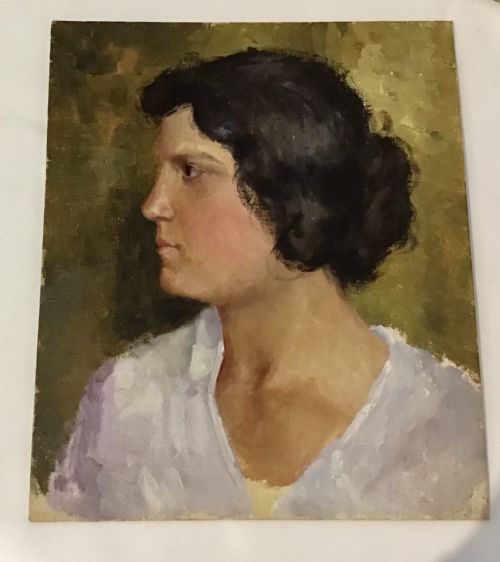
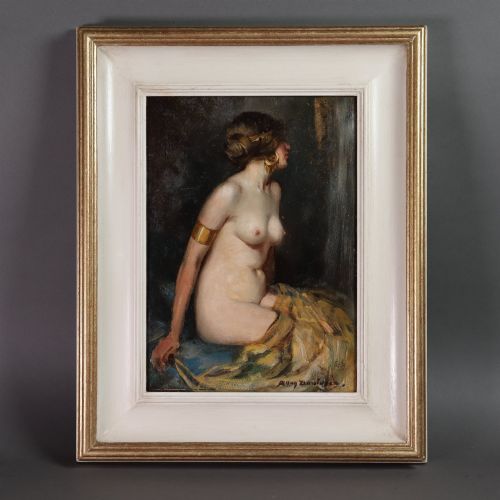
A vintage portrait on board is a painted likeness created on a rigid wooden support rather than flexible fabric. You will encounter works spanning from the nineteenth century through the mid twentieth century, covering human subjects, animals, and decorative scenes.
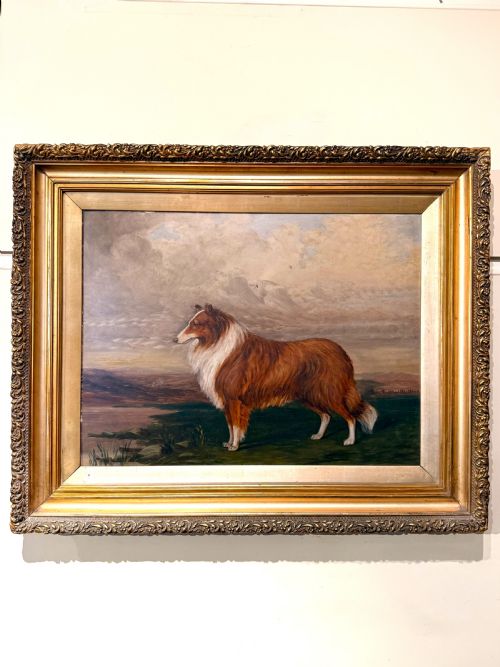
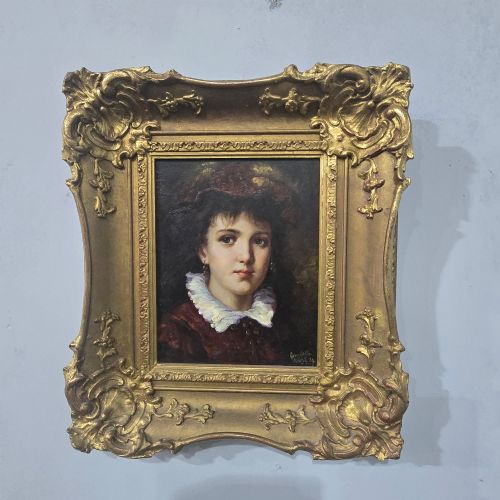
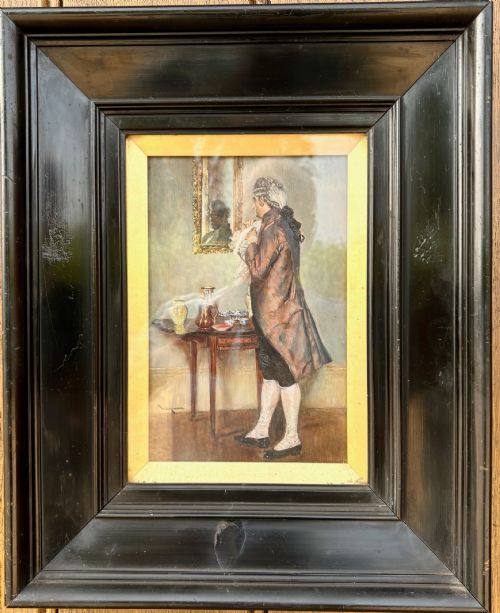
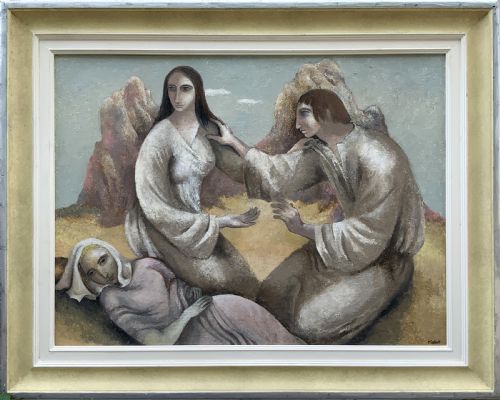
The selections on this page range from early Victorian academic pieces to Mid-Century Modernist interpretations. Common subjects include dogs, soldiers, children, and figures from various walks of life rendered in distinct regional styles.
Many of these works originate from British and European studios, employing traditional methods that have survived decades of domestic display. Each piece carries the distinct touch of its creator, preserved on a sturdy wooden or panel foundation.
Materials and technique
Artists relied primarily on oil paint applied directly to wooden board, panel, or canvas laid on board. Oil paint allowed for gradual blending, rich textures, and deep colour saturation that endured across generations.
The rigid support provided a stable surface for detailed brushwork and impasto techniques where pigment stands proud of the board. Some works also incorporate pastel on board or delicate gilt framing to complement the painted surface.
Listings include works from the nineteenth century, the Edwardian era, and the mid-twentieth century.
Assessing quality and execution
Quality rests in the handling of the subject, the confidence of the brushstrokes, and the psychological depth of the sitter or animal. A superior piece demonstrates precise draughtsmanship and atmospheric presence rather than mere mechanical recording.
The preservation of the painted surface and the stability of the wooden board influence the long-term integrity of the work. Skilled artists utilised the rigid ground to create enduring textures that remain vibrant today.
Jonny Gaston·W D Almond·Allan Douglas Davidson·Septimus Scott·Fred Yates·George Smith·Allan Gwynne Jones·Charlotte Blakeney Ward
The Vintage Portrait on Board Glossary
- Board
- A rigid wooden panel or manufactured board used as a painting support instead of stretched fabric. It provides a stable, unyielding foundation for oil and pastel works.
- Impasto
- Paint applied thickly to a surface so that it stands out in relief. This technique leaves visible brush or palette knife marks that catch the light.
- Panel
- A flat piece of wood used by artists as a support for painting. Wooden panels predated canvas and remained popular for their durability.
- Pastel
- A dry medium consisting of powdered pigment and a binder, shaped into a stick. When applied to board, it creates a soft, matte finish that requires protective framing.
- Provenance
- The documented history of ownership of an artwork. It helps verify authenticity and provides a record of where the piece has lived.
Vintage Portrait on Board: Frequently Asked Questions
How do I clean a vintage portrait on board?
Dust the surface gently with a soft, dry brush and avoid using liquid cleaners or water on the exposed paint. Professional conservation is recommended for any deeper cleaning.
Keep the painting away from direct sunlight and damp environments to protect both the wooden board and the oil or pastel medium from deterioration.
How do I date a portrait on board?
Dating relies on the style of clothing, the hairstyle of the subject, the framing, and any signatures or inscriptions on the reverse of the board. Comparative study of period art helps narrow the timeframe.
Artists' working dates and historical costume details provide reliable clues to place the creation within a specific decade or century.
Why did artists paint on board instead of canvas?
Wooden boards offered a cheap, rigid, and instantly ready surface that required no stretching or priming of fabric. Many painters preferred the solid resistance of wood for detailed work.
Boards were especially popular for smaller plein air studies and informal portraits due to their durability and ease of transport.