
Vintage Portrait of Lady
When you search for a vintage portrait of lady, you step into centuries of character captured in oil, watercolour, and glass.
Vintage Portrait of Lady
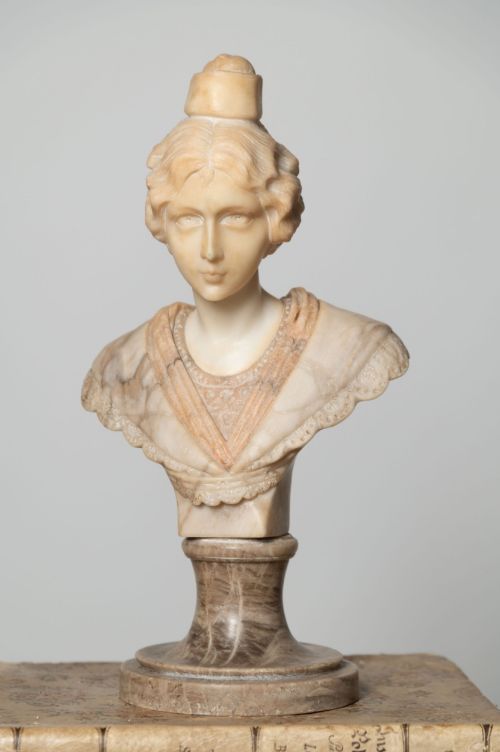
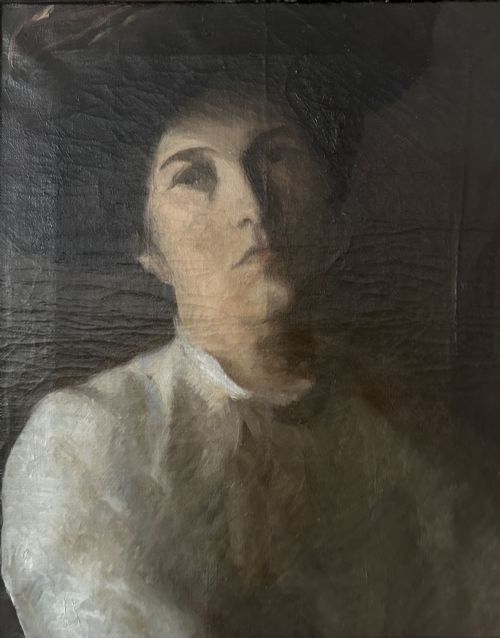
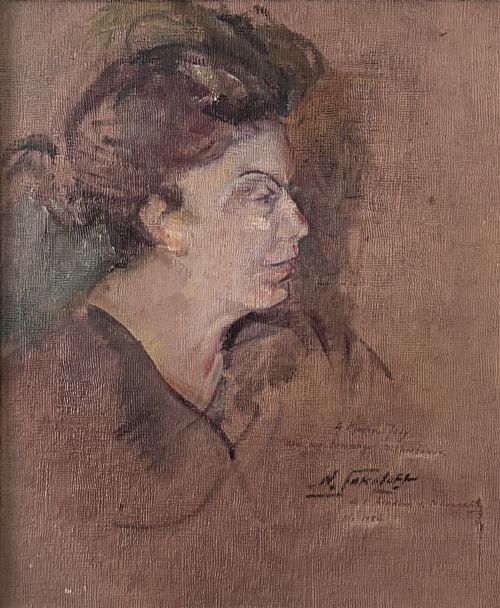
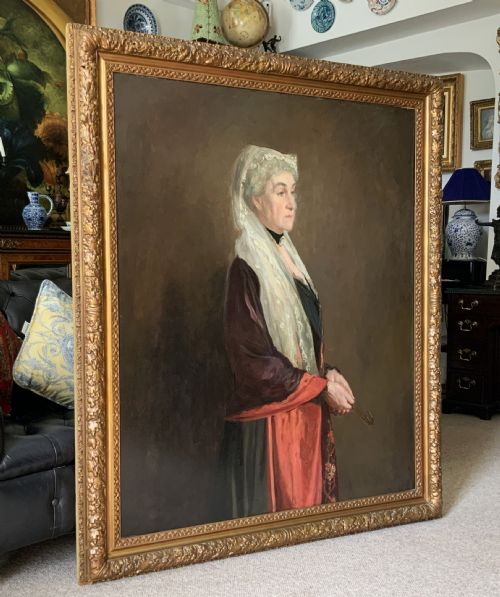
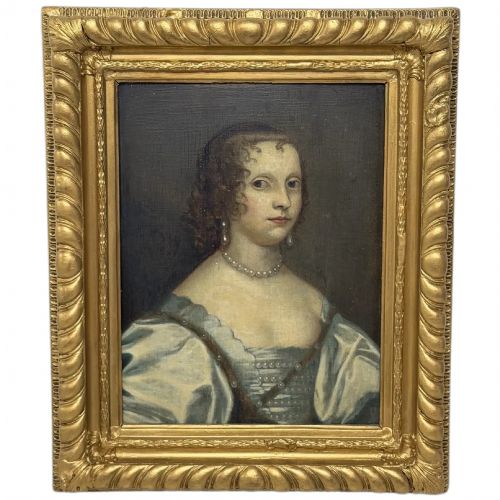
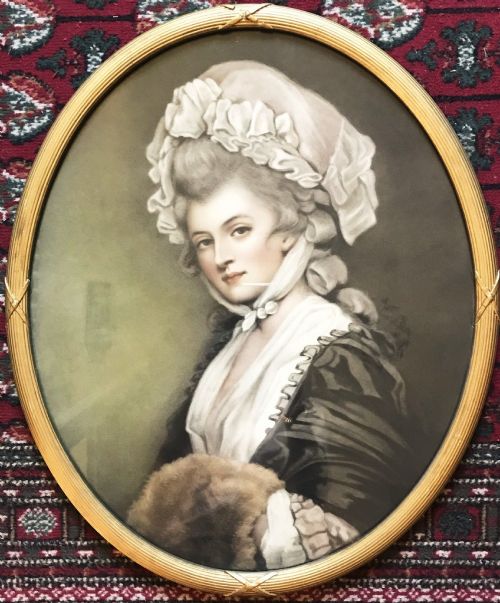
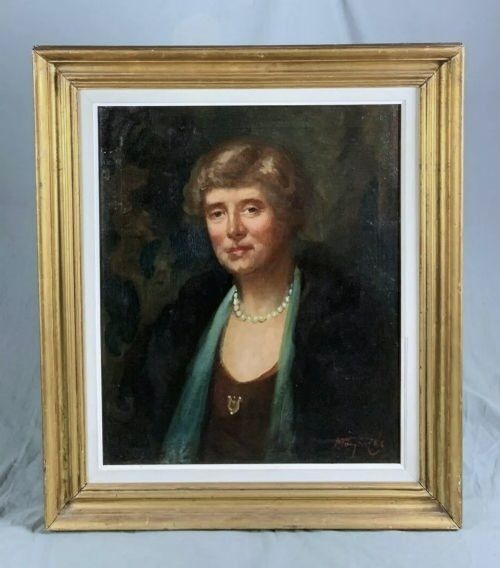
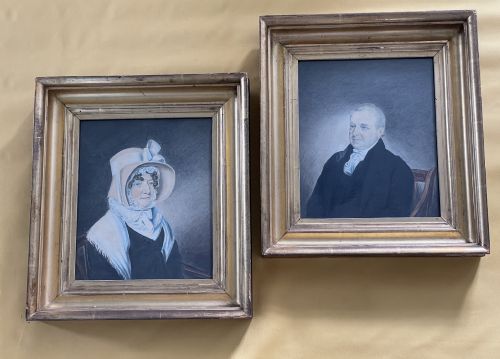
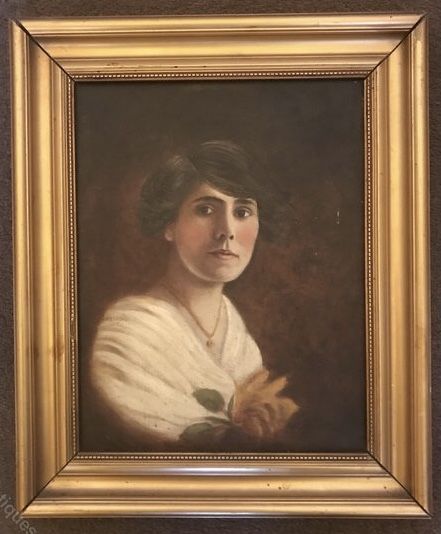
A vintage portrait of lady brings historical faces into domestic rooms through paintings, drawings, and miniature studies. The selection spans centuries of changing fashions, from Georgian silhouettes and Victorian watercolours to mid-century oil paintings on canvas.
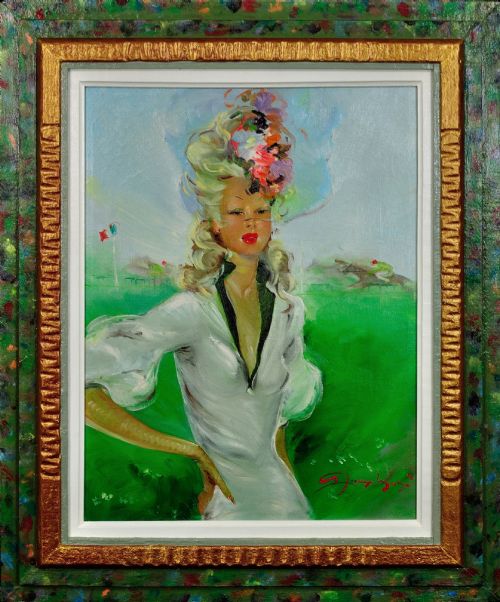
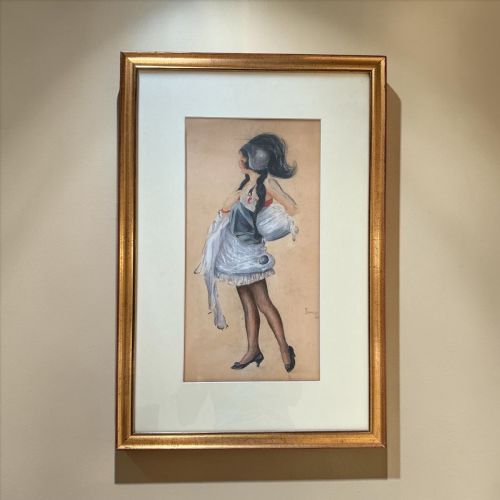
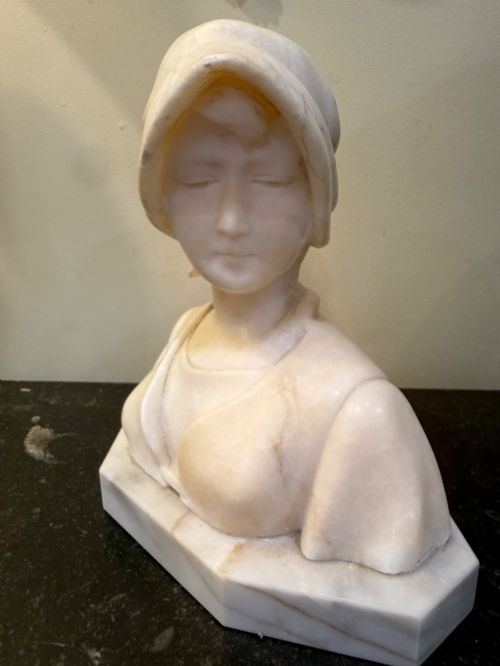
Buyers encounter diverse interpretations of femininity, ranging from formal society commissions and delicate pastels to modernist French interpretations and reverse glass prints. The format stretches from grand wall art to intimate, pocket-sized miniatures.
Works appear across multiple eras, including the eighteenth and nineteenth centuries, alongside Edwardian and art deco creations. This variety allows collectors to match specific aesthetic movements to their interior walls.
How they were made
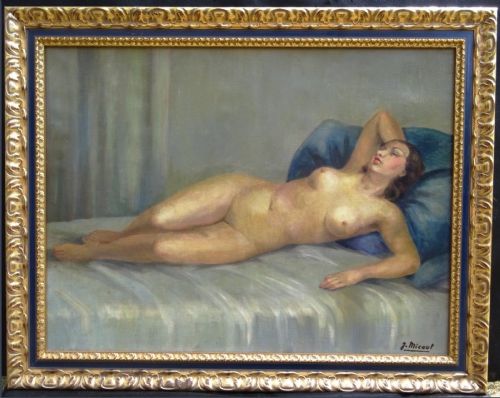
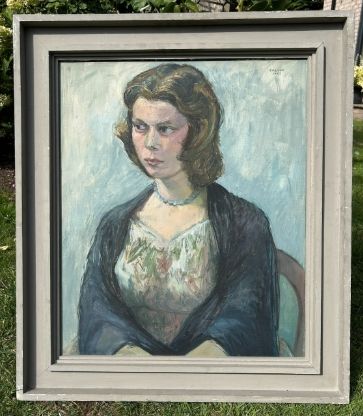
Artists deployed oil paint and watercolour upon canvas, paper, and oak panel to build lasting likenesses. Hand-painted miniatures often utilised delicate ivory or card surfaces, protected beneath convex glass.
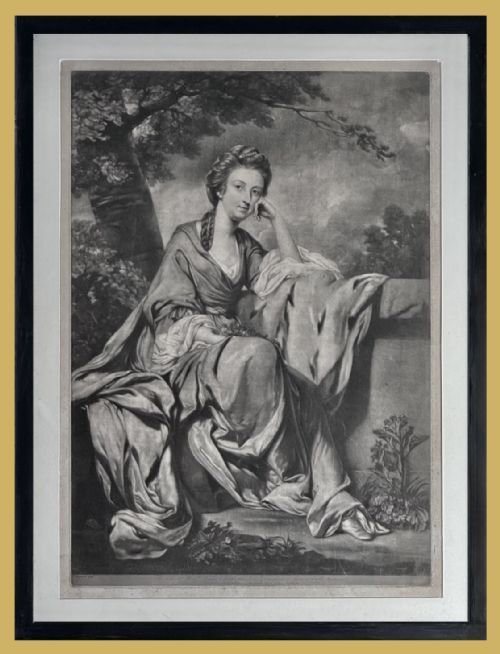
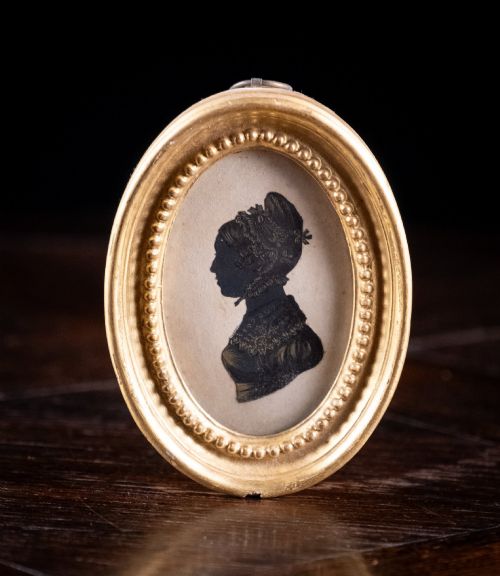
Frames matched the stature of the artwork, frequently constructed from carved wood with gilt finishes. Silhouettes relied on precision cutting and gilding, while mezzotint engravings utilised metal plates to transfer inked impressions onto paper.
The archive demonstrates a strong preference for female subjects depicted in hats, ball gowns, and wartime attire.
What varies in quality
Quality rests upon the sureness of the draftsmanship and the psychological depth of the sitter's expression. Masterful handling of light upon textiles, such as silk dresses or fur coats, separates accomplished works from ordinary output.
The integrity of the original medium influences value, noting whether an oil painting retains its impasto or a watercolour preserves its pigment without fading. The partnership between the artwork and its period frame also dictates overall distinction.
Edward Fisher·Sir Joshua Reynolds·Kenneth Cozens·Jean-Gabriel Domergue·Charles James McCall·Sydney Wilson·Raymond Moritz·H. Bayly·William Henry Knight·Georges Goursat·Philip Naviasky·Takabatake Kasho·Augustus Edwin John·S Dennant Moss·Susie Lassam·William Hill Thomson·Ove Haase·Lionel Hamilton Renwick·Muriel Metcalfe·Fred Lawson·Hamish Paterson
The Vintage Portrait of Lady Glossary
- Mezzotint
- A printmaking process where the copper plate is roughened to achieve rich tonal gradations. This technique allows for velvety dark areas and subtle shading.
- Silhouette
- A solid profile portrait filled in with a single dark colour, typically black. These pieces gained immense popularity during the Georgian and Regency periods.
- Miniature
- A small, highly detailed painting executed on a portable scale. Artists achieved remarkable precision using fine brushes on restricted surfaces.
- Panel
- A rigid wooden support used by painters prior to the widespread adoption of canvas. Oak panels were frequently utilised in earlier centuries.
- Artist's Proof
- An impression of a print pulled for the artist's own use before the main edition is printed. These carry particular significance for collectors.
Vintage Portrait of Lady: Frequently Asked Questions
How should I hang my portrait?
Hang these works at eye level away from direct sunlight to protect delicate watercolours and oil pigments from fading. Secure them using appropriate wall fixings that match the weight of the timber frames.
Pairing smaller miniatures in a cluster creates a striking focal point on a living room wall. Larger oil canvases demand solitary space to allow the subject's presence to anchor the room.
Were these portraits always commissioned?
Many grand oil paintings and detailed miniatures began as private commissions to record family lineage and social status. Society figures sat for professional artists to document their likenesses for posterity.
Conversely, numerous twentieth-century pieces represent artistic studies of anonymous models or fashionable figures at leisure. These works capture the artistic mood of an era rather than a specific personal history.
How do I identify the period?
Clothing styles, hairstyles, and framing techniques offer the most reliable clues for dating an artwork. A Regency silhouette looks distinct from a flapper era art deco watercolour.
Inscriptions on the reverse of the canvas or paper frequently record the sitter's name and dates. Examination of the stretcher bars and backing materials further clarifies the age of the piece.