







Vintage Portrait Display
These vintage portrait display pieces hold your favourite images and likenesses, spanning silver frames, carved busts and porcelain plates from the Edwardian era to the mid-twentieth century.
Vintage Portrait Display
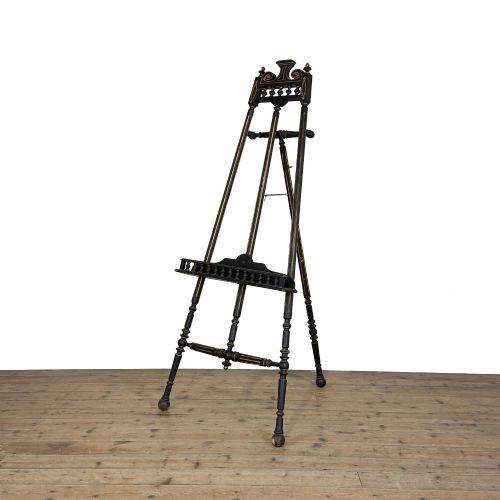
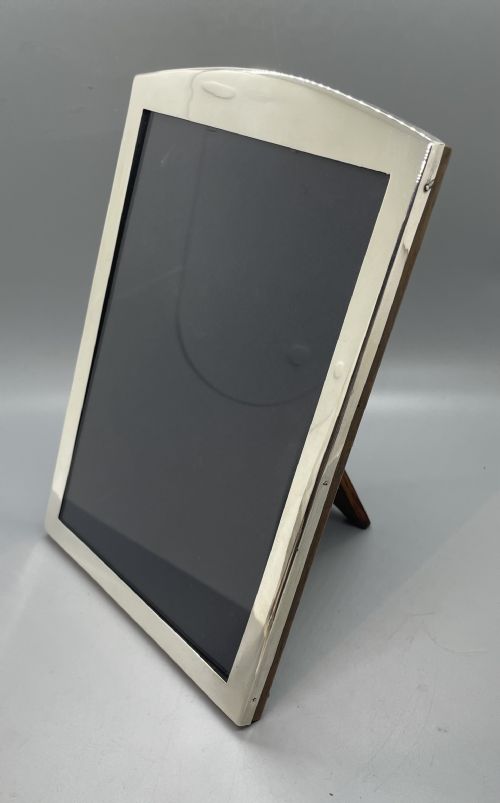
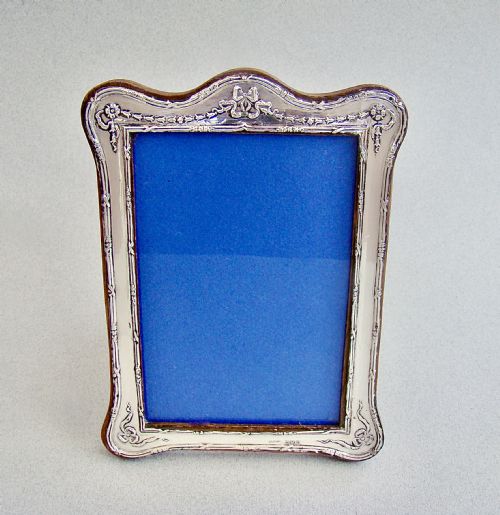
When you search for vintage portrait display, you encounter a varied selection of objects designed to exhibit images, photographs and likenesses in domestic interiors. These items range from sterling silver picture frames and folding travel frames to carved wooden busts, cabinet plates and display easels.
You are most likely to meet Edwardian and George V sterling silver photo frames alongside nineteenth-century porcelain cabinet plates and carved wooden portrait sculptures. The forms encompass tabletop frames with velvet backs, large floor-standing easels and multi-fold picture holders.
The origins span British workshops in Birmingham, Scottish sculpture studios, French gilt bronze foundries and continental porcelain manufactories like Royal Vienna and Coalport. Each object serves the primary function of honouring a face, whether through a photograph, a painted porcelain portrait or a carved walnut bust.
How they were made
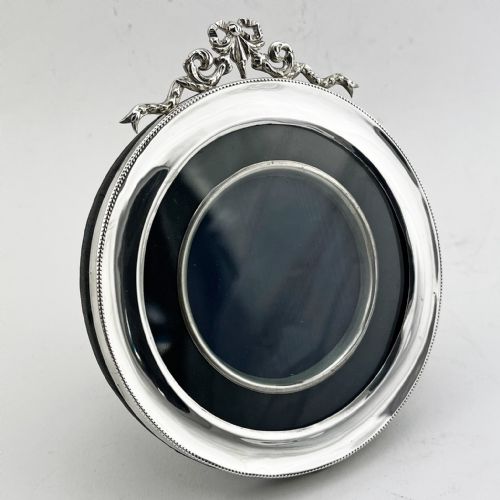
Silversmiths constructed sterling silver and 800 silver photo frames using techniques such as planishing, engine turning, engraving and repoussé decoration. These metallic mounts frequently incorporate wooden internal structures, heavy card backing and fitted glass panes to protect the paper photographs within.
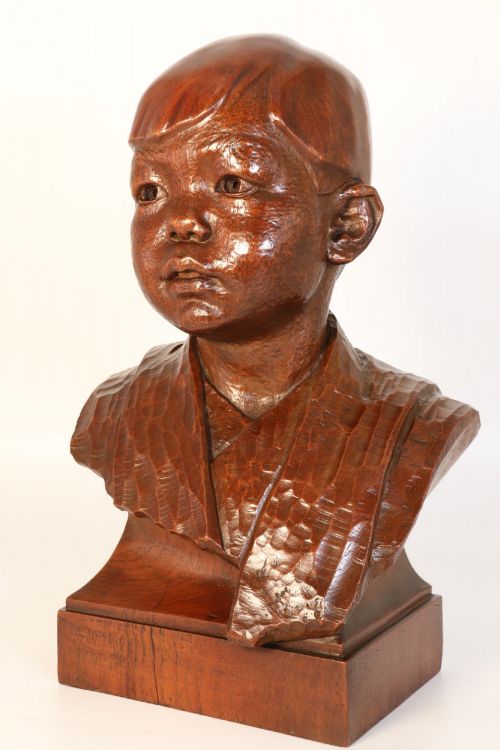
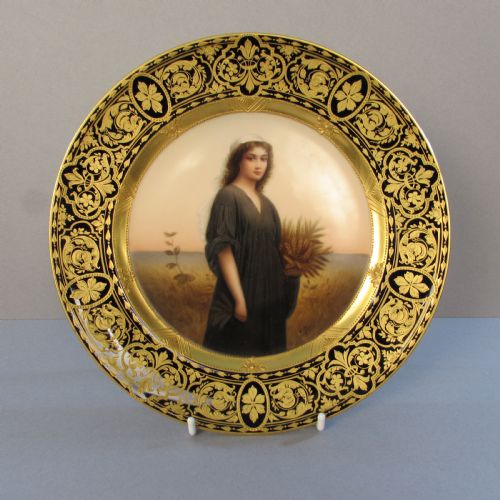
Woodworkers carved life-size busts and gallery easels from walnut, oak and ebonised timber, employing traditional joinery and detailed hand-chisel work. Cabinet plates and portrait ceramics required porcelain throwing, hand-painting by named artists and subsequent kiln-firing with gilt highlights.
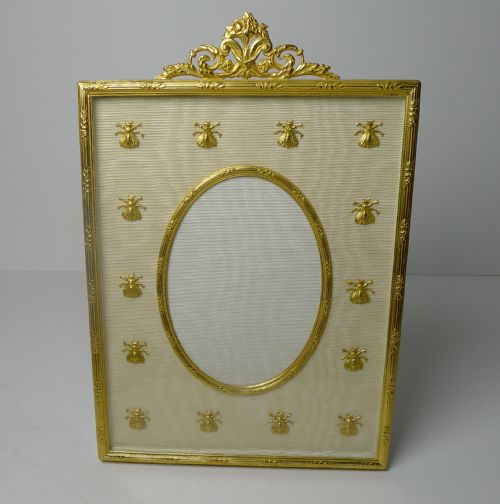
Additional materials include gilded bronze cast in continental foundries, stamped brass, velvet linings and protective glass. Makers combined these substances to create sturdy domestic display pieces capable of supporting cabinet photographs, porcelain plates and oil-painted panels.
Vintage Portrait Display Retail Price Guide 2026
Typical asking prices for vintage portrait display among the pieces listed under this phrase on Sellingantiques today, from the lower quarter to the upper quarter. They describe what is for sale here now, not the wider market.
Object forms include tabletop picture frames, floor-standing easels, carved milliner heads and hand-painted porcelain cabinet plates.
What varies in quality
The distinction between standard commercial output and superior craftsmanship rests in the depth of hand-work and the choice of materials. Hand-carved walnut portrait busts and signed porcelain cabinet plates by known painters sit at the upper end of the scale.
Silver photo frames demonstrate quality through crisp hallmarks, heavy gauge metal, planished surface textures and intact original velvet or leather backing boards. Simpler mass-produced frames lack the weight, depth of engraving and artisanal hand-finishing seen on pieces from established silversmiths.
Condition and completeness dictate the standing of display easels and multi-fold frames, particularly where original hinges, glass panels and backing struts remain unaltered. Pieces retaining their maker marks, retail stamps or artist signatures carry greater documentary value.
W.I.Broadway & Co·George Henry Paulin·Julian Mandel·Pinci Roma·Coalport·Royal Vienna·Tom Keeling·Wagner
The Vintage Portrait Display Glossary
- Sterling silver
- A silver alloy containing 92.5 percent pure silver and 7.5 percent other metals, commonly copper, used extensively in Edwardian and George V picture frames.
- Cabinet plate
- A decorative ceramic plate intended for display on a wall bracket, shelf or cabinet rather than for dining use.
- Planishing
- A metalsmithing technique involving light hammer blows with a polished flat hammer to smooth and harden metal surfaces while leaving a subtle texture.
- Easel
- A supportive framework used to hold a picture, photograph, plate or panel upright on a tabletop or floor.
- Cabinet photograph
- A style of photograph popular from the 1860s onwards, consisting of a thin photograph mounted on a card measuring approximately four by six inches.
Vintage Portrait Display: Frequently Asked Questions
How do I date a silver photo frame?
Examine the hallmarks stamped on the silver border, which typically indicate the assay office, standard mark and date letter for the year of production. Birmingham hallmarks from the Edwardian and George V periods are particularly common on these items.
Compare the style of engraving, easel back construction and typography with dated examples to confirm the manufacturing era.
What is a cabinet plate used for?
Cabinet plates were designed purely for display in drawing rooms or cabinets to showcase fine porcelain painting, portraiture and gilding skills. They were not used for serving food.
Artists frequently painted historical figures, mythological scenes or portraits on these plates, signing their work on the front or reverse.
How should I clean silver picture frames?
Dust the frame gently with a soft microfibre cloth to remove loose particles before applying any specialist silver cleaner. Avoid getting polish on the wooden or velvet backing boards.
Apply a mild, non-abrasive silver cream sparingly with a cotton cloth, rinse gently if required, and buff to a soft shine.
Are folding travel frames fragile?
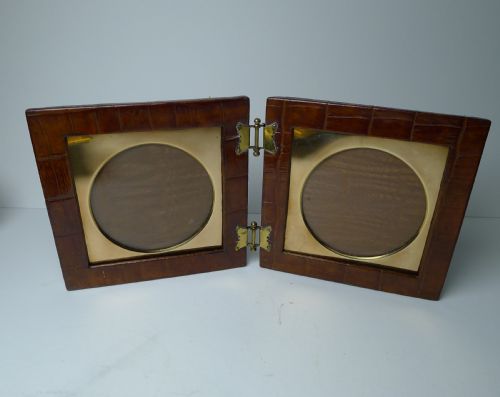
Folding travel frames use leather, crocodile skin or fabric hinges to connect multiple panels, which can stiffen or weaken over decades of use. Open and close them with care to protect the internal photographic glass and backing material.
Store or display them in stable environments away from excessive moisture to preserve the organic binding materials.