



Vintage Porch Lamp
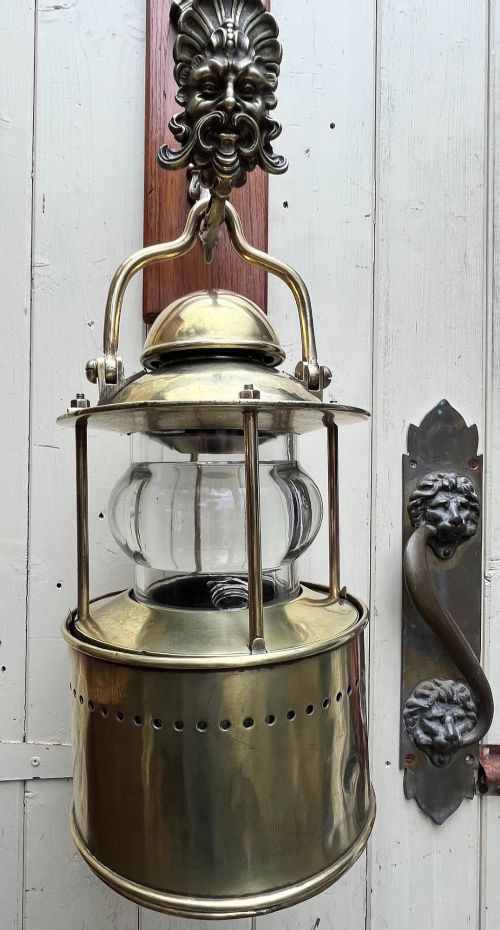
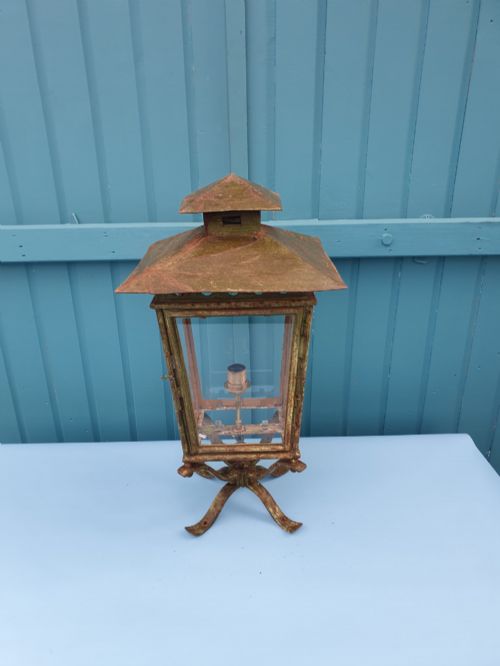
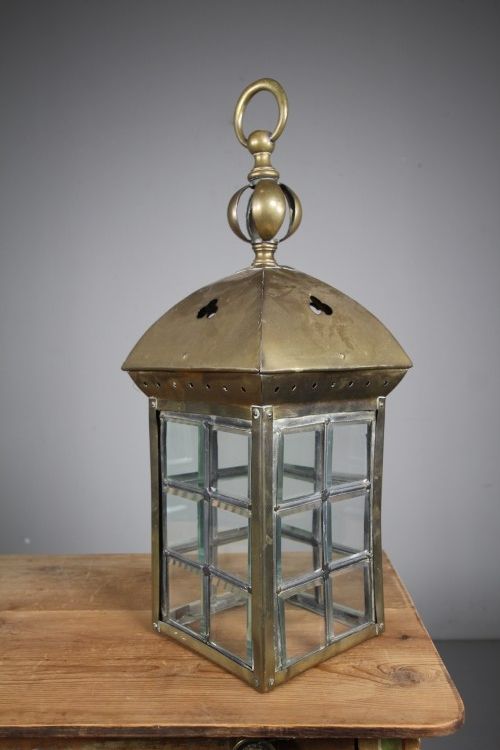
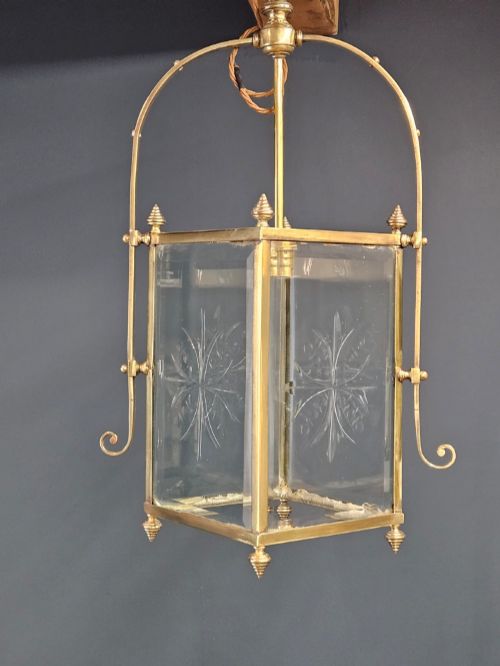
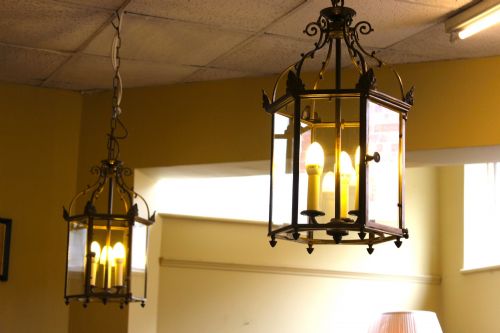
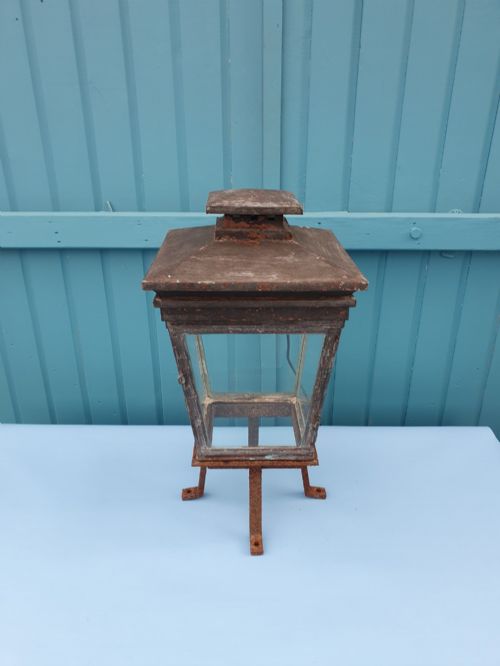
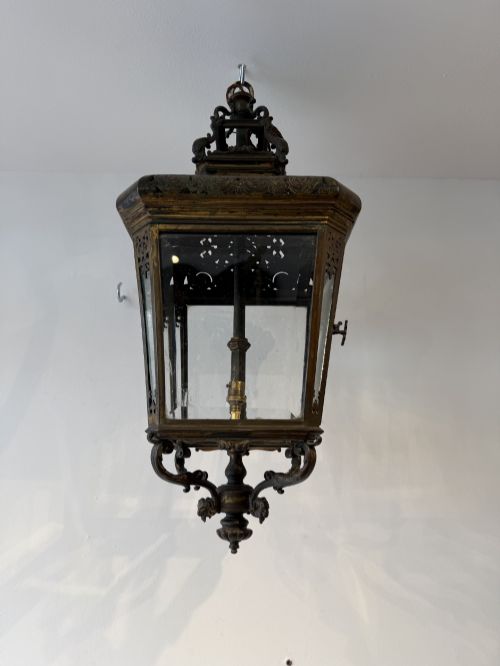
These vintage porch lamp fixtures bring character to an entrance, offering sturdy metals and glass panels designed to weather the elements.
Vintage Porch Lamp
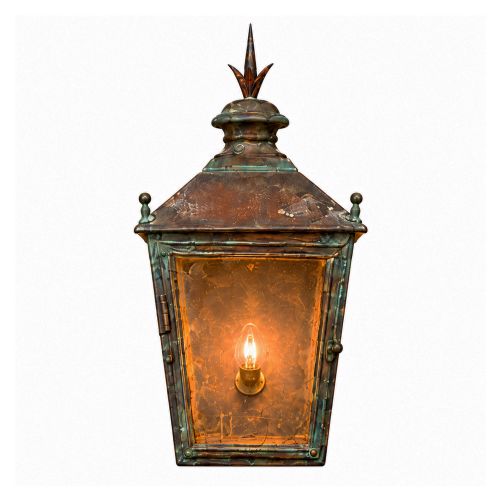
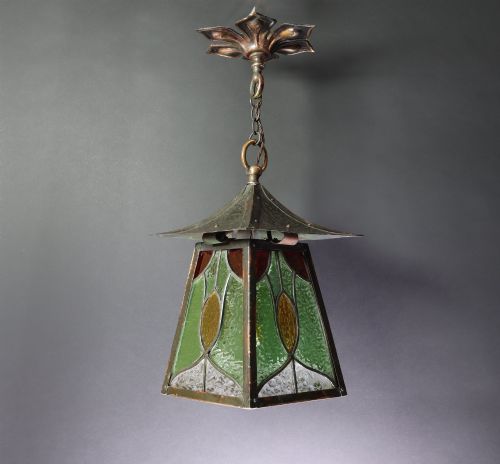
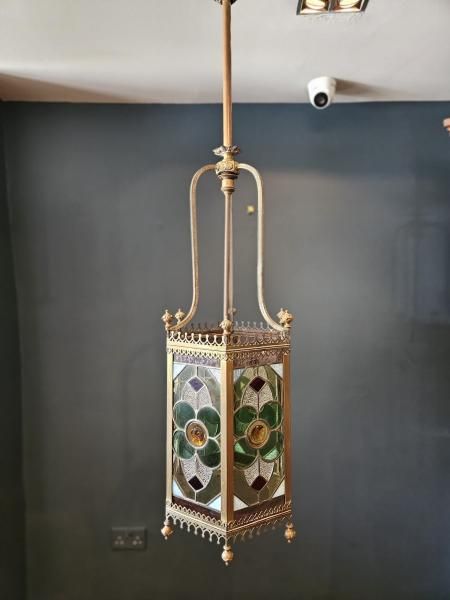
A vintage porch lamp encompasses exterior and entryway lighting fixtures spanning the Victorian, Edwardian, and Art Deco periods. Buyers looking at this selection will frequently encounter hanging pendants, hall lanterns, and wall-mounted brackets designed for outdoor or hallway placement.
The materials reflect practical durability, utilising brass, copper, bronze, and iron alongside clear, leaded, or coloured glass panels. Many pieces originate from domestic English workshops or French ateliers, spanning styles from Gothic Revival and French Empire to utilitarian exterior designs.
Earlier examples often show conversion histories, having transitioned from gas lighting to electrical wiring during the twentieth century. These transformations preserve historical patination while adapting the fixtures for modern residential use.
Materials and construction
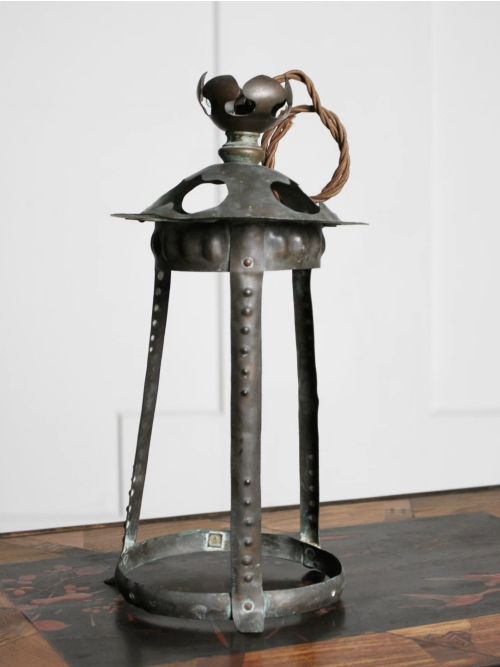
Makers utilised heavy sheet copper, cast brass, and wrought or cast iron to withstand exterior exposure. These metals were frequently soldered, riveted, or joined with blacksmith-made fittings to ensure structural rigidity against wind and weather.
Glazing techniques ranged from simple leaded came work holding clear glass to complex faceted panels and vibrant red and yellow shades. Frames often incorporated hinged access doors for maintenance, secured by small latches or thumbscrews.
Vintage Porch Lamp Retail Price Guide 2026
Typical asking prices for vintage porch lamp among the pieces listed under this phrase on Sellingantiques today, from the lower quarter to the upper quarter. They describe what is for sale here now, not the wider market.
Several Victorian garden lanterns carry the honest scars of conversion, having spent decades shedding gaslight before joining the electrical age.
Assessing quality and build
Quality rests in the weight and gauge of the metalwork, where thicker copper, cast bronze, and substantial brass frames provide superior durability. Finer examples display clean solder joints, crisp casting details, and well-balanced proportions that maintain structural integrity.
The complexity of the glazing also dictates standard, with tightly fitted leaded glass or bevelled panes representing higher craftsmanship than basic sheet glass. Original patination and intact hanging loops or wall brackets further distinguish superior survivals from heavily altered pieces.
The Vintage Porch Lamp Glossary
- Came
- A slender grooved strip of lead used to hold pieces of glass together in a window or lantern. It is soldered at the joints to form a rigid geometric web.
- Patina
- The surface sheen and oxidation developed on metals like bronze, brass, and copper over decades of exposure. This natural ageing indicates genuine age.
- Hall lantern
- A hanging light fixture enclosed in glass, traditionally suspended in entrance halls or vestibules. They provide directional illumination through protective panes.
- Leaded glass
- Individual pieces of glass joined together by lead cames to create patterned windows or lantern panels. This technique allows for decorative geometric designs.
Vintage Porch Lamp: Frequently Asked Questions
Can these outdoor lamps withstand rain?
Most of these lanterns were constructed for exterior use, utilising durable metals like copper and brass alongside sealed glass panels to protect against moisture.
However, modern electrical components and older conversion work require professional installation and weatherproofing to ensure safe outdoor operation today.
How do I hang a heavy brass lantern?
Hanging these substantial fixtures requires securing the mounting bracket directly into ceiling joists or solid masonry rather than relying on standard plasterboard anchors.
Given the combined weight of thick glass and cast metal frames, utilising a qualified electrician ensures the structural support matches the load.
Are these fixtures converted from gas?
A significant portion of Victorian and Edwardian exterior lanterns started as gas or oil burners before being adapted for electricity during twentieth-century renovations.
These conversions often feature internal alterations to the burner assembly or lower mounts where the original fuel supply once entered.
What is the difference between wall and pendant lanterns?
Wall lanterns mount flush against exterior brickwork or timber using a dedicated bracket, making them ideal for flanking entrance doors.
Pendant lanterns hang downward from chains or rigid rods, suiting covered porches, vestibules, and high-ceilinged entryways where vertical clearance permits.