


Vintage Porcelain Tea Set
A vintage porcelain tea set brings tactile warmth and historic charm to the table.
Vintage Porcelain Tea Set
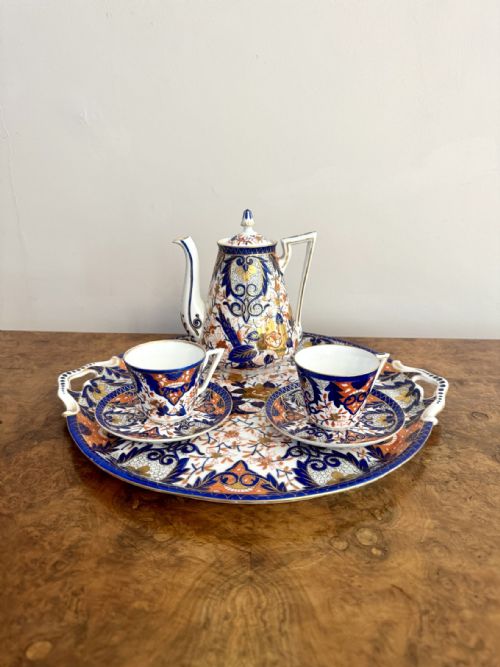
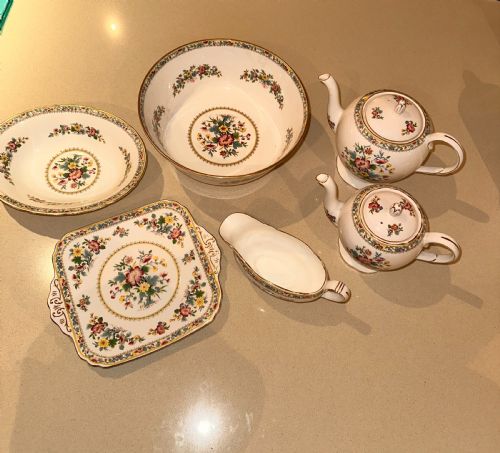
A vintage porcelain tea set encompasses matched services, trios, and larger assemblages designed for formal or daily hospitality. When searching for a vintage porcelain tea set, buyers encounter pieces originating from Victorian periods through to the early decades of the twentieth century.
The selections span English traditional makers, continental European factories, and Asian export works. Most meet the eye as complete multi-piece services or smaller breakfast sets featuring cups, saucers, and pots.
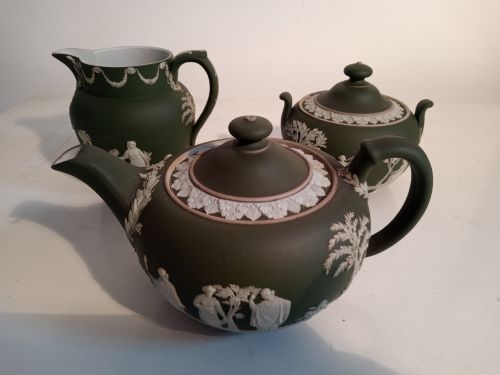
Forms range from Edwardian geometric shapes to ornate Victorian neo-classical styling and delicate Art Deco patterns. The material presence shifts between translucent bone china, robust earthenware, and fine porcelain bodies.
Materials and methods
Potters shaped these vessels using fine porcelain, bone china, and ironstone clays, fired at high temperatures to achieve vitrification. Artisans applied glazes to seal the surfaces, creating smooth foundations for subsequent decoration.
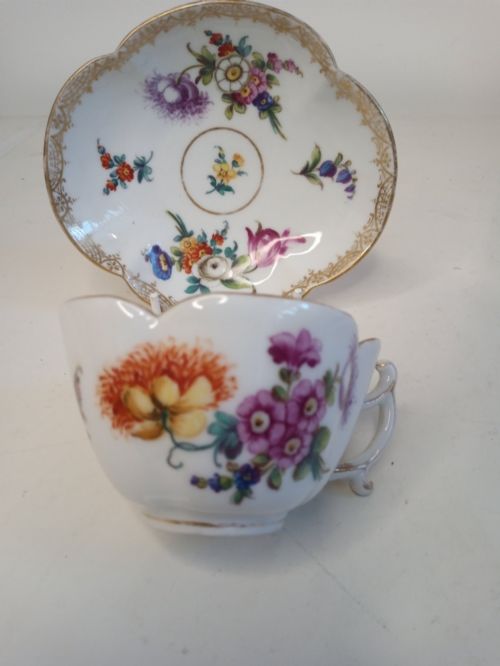
Decoration relied on hand-painted enamel pigments and transfer printing techniques. Craftsmen embellished rims and handles with gold leaf, gilding, and gilt accents to elevate the visual weight of the service.
The inventory records traditional English tea services alongside Japanese Satsuma and Chinese export sets.
Assessing quality
Quality rests upon the crispness of the hand-painted details and the precision of the enamel work. Superior sets demonstrate meticulous brushwork on botanical or avian motifs rather than repetitive transfer prints.
The weight, translucency, and thinness of the porcelain body indicate the maker's skill. Finer wares maintain structural integrity while presenting a delicate, light-permitting wall thickness.
Preservation of the original gilding and gold leaf without rubbing shows careful historic handling. Complete sets retaining matching factory marks and uniform patination outrank mismatched collections.
Wedgwood·Coalport·Royal Worcester·Royal Albert·Shelley·Royal Doulton·KPM Berlin·Copeland Spode
The Vintage Porcelain Tea Set Glossary
- Bone china
- A type of soft-paste porcelain containing bone ash, which yields a strong, milky-white, translucent body. It permits thinner walls than standard hard-paste porcelain.
- Gilding
- The application of gold leaf or powdered gold suspended in a medium to the ceramic surface. This technique highlights rims, handles, and painted scenes.
- Trio
- A matched three-piece grouping consisting of a teacup, saucer, and matching tea plate. Trios form the foundational units of many English service configurations.
- Ironstone
- A heavy, durable type of earthenware patented in the nineteenth century to imitate Chinese porcelain. It resists chipping better than standard ceramic bodies.
- Enamel
- Opaque glass-like pigments fused to the glazed ceramic surface during a secondary low-temperature kiln firing. It provides vibrant, raised colour highlights.
Vintage Porcelain Tea Set: Frequently Asked Questions
How do I date a set?
Examine the base for manufacturer stamped marks, registration numbers, and pattern names. Reference guides link these identifiers to specific operational years of the pottery.
Stylistic cues such as handle shapes and floral motifs also help anchor the production era.
Can I use these for tea?
Many sets remain structurally sound for gentle daily use or formal entertaining. Hand washing protects delicate gilding and hand-painted enamels from detergent wear.
Thermal shock should be avoided by warming cups gradually before pouring boiling water.
What is a tea trio?
A trio groups a teacup, a matching saucer, and a small side plate together. This configuration became standard in British households for afternoon tea gatherings.
Finding a complete set of trios indicates a well-preserved service intended for guests.
How are chips repaired?
Professional ceramic conservators use reversible epoxy resins and colour-matched mineral paints to stabilize losses. Structural repairs restore visual harmony for display purposes.
Restored pieces generally suit gentle display rather than rigorous daily utility.