
Vintage Porcelain Pair
These vintage porcelain pair selections bring symmetry to a room, offering matched sets of figures, vases, and lamps produced across the nineteenth and twentieth centuries.
Vintage Porcelain Pair
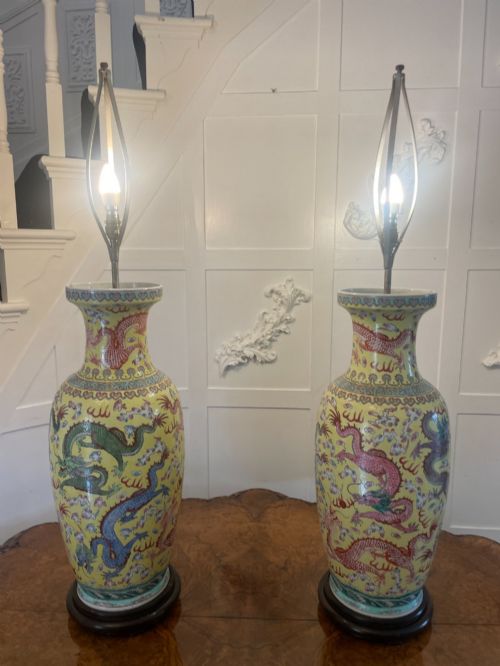
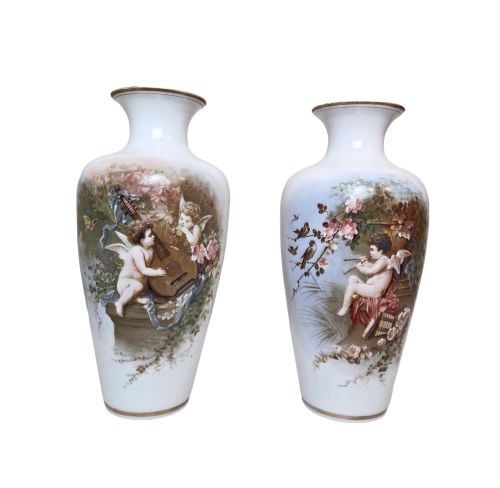
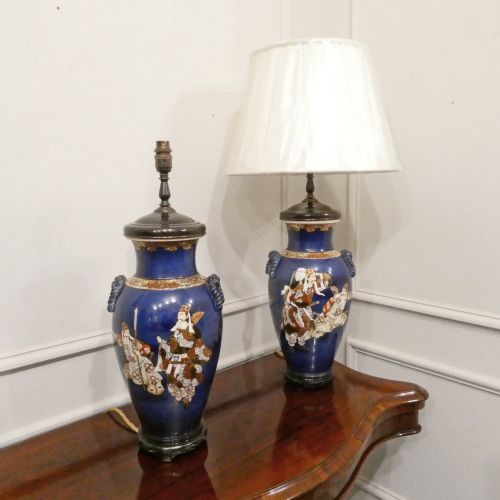
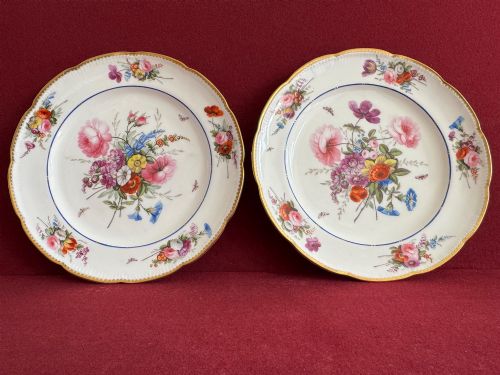
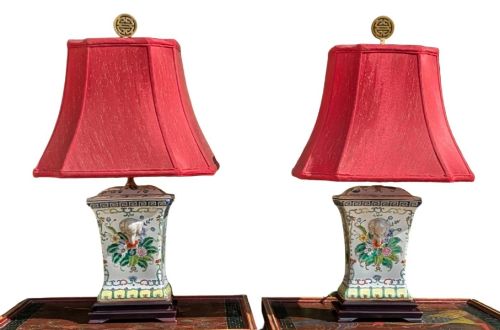
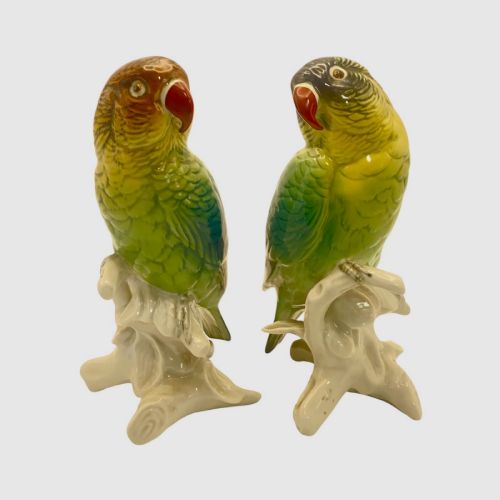
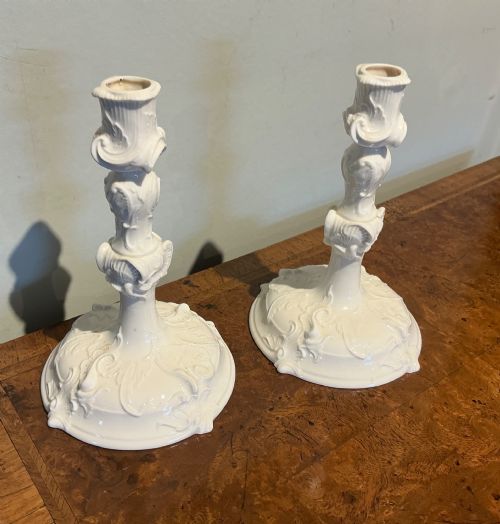
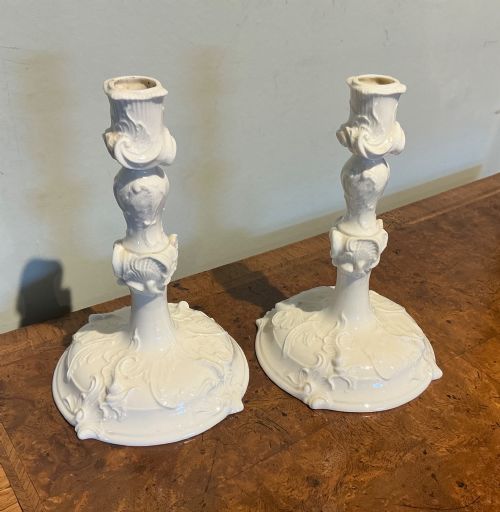
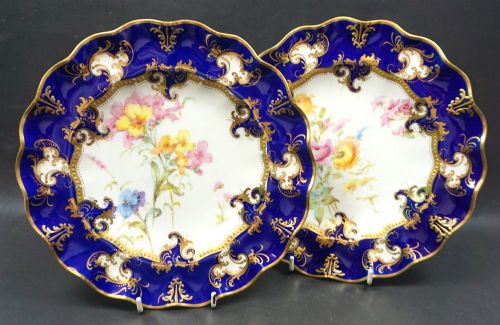
A vintage porcelain pair consists of two matching objects designed to sit symmetrically, such as mantel garnitures, table lamps, and cabinet plates.
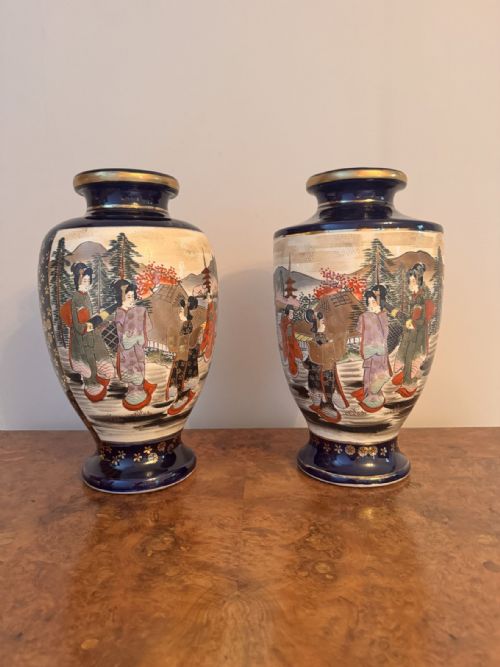
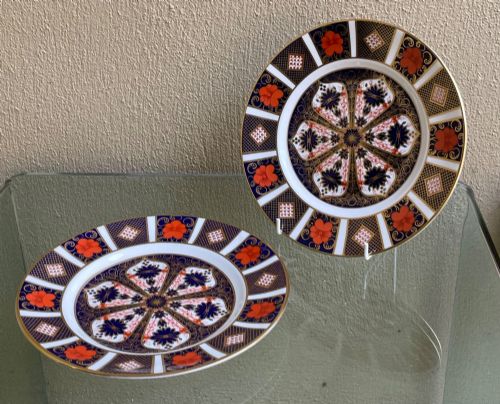
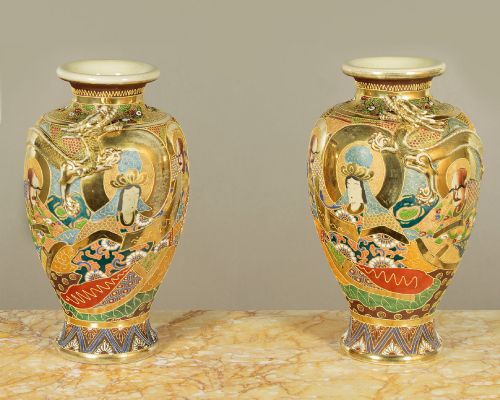
The selections span nineteenth-century Victorian pieces and twentieth-century items, encompassing Japanese Imari and Satsuma alongside European works from factories like Royal Crown Derby and Meissen.
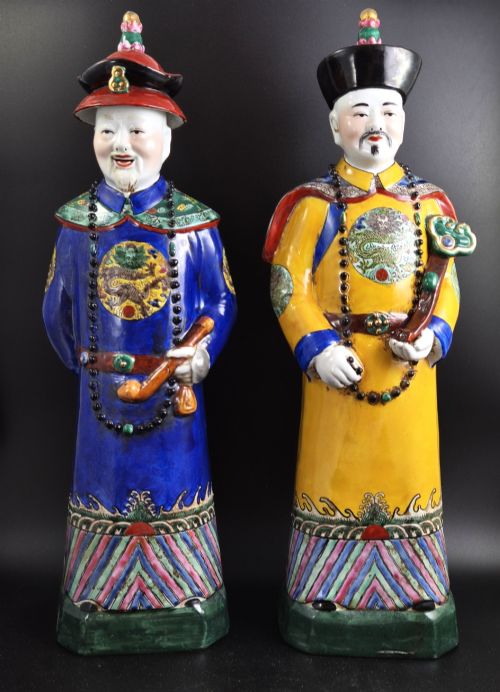
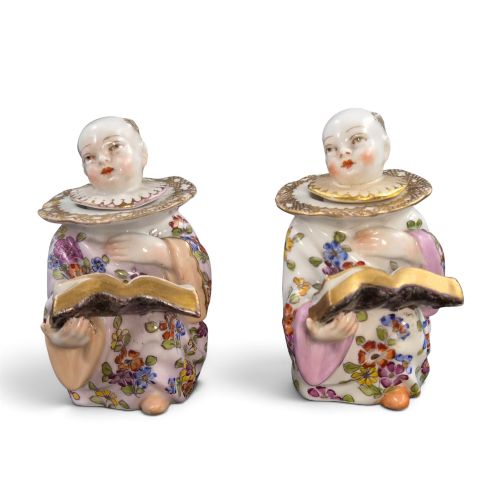
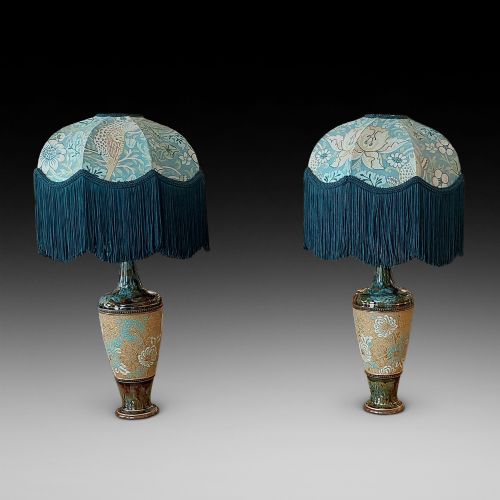
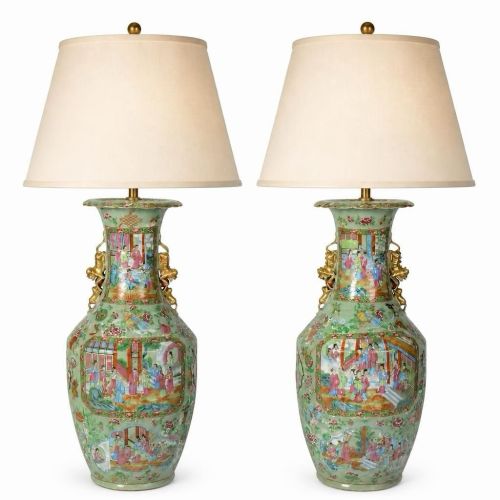
Buyers encounter decorative figures, wall sconces, and inkwells alongside functional items converted into lighting, all sharing the characteristic of being manufactured as matching counterparts.
Materials and production methods
Items utilise hard-paste and soft-paste porcelain, earthenware, and ironstone, often combined with mounts of ormolu, gilt bronze, and brass.
Decoration relies on underglaze blue, enamel painting, and applied gold leaf, frequently finished with a clear glaze before firing.
Many figures and vessels employ moulded ceramic bases, while lamp conversions incorporate electrical fittings alongside original ceramic bodies.
Listings feature items spanning the nineteenth century through the 1940s, utilising porcelain, earthenware, and gilt bronze.
Distinctions in craftsmanship and design
Hand-painted precision separates standard production pieces from works bearing the detailed brushwork of named modelers and specialised factories.
The crispness of moulded details and the depth of enamel and gold leaf application indicate the level of care taken during production.
Originality of components, such as matching glazes and intact gilt metal mounts, distinguishes untouched pairs from assembled groupings or altered items.
Royal Crown Derby·Karl Ens·Nymphenburg·Edmé Samson·Hicks and Meigh·Royal Worcester·Royal Dux Bohemia·Sitzendorf
The Vintage Porcelain Pair Glossary
- Imari
- A style of Japanese export porcelain decorated in underglaze blue, iron red, and gold leaf. These pieces originate primarily from the Arita region.
- Satsuma
- Japanese earthenware featuring a crackled ivory glaze and heavily applied enamel and gilt decoration. Items range from small vessels to large decorative vases and lamps.
- Ormolu
- Gilded bronze used for mounts, bases, and decorative trim on European porcelain. This technique appears frequently on nineteenth-century French pieces.
- Staffordshire
- English pottery associated with utilitarian and decorative figures, notably spaniels and greyhounds. Production centres on the pottery districts of Staffordshire during the Victorian era.
- Meiji Period
- The era of Japanese history lasting from 1868 to 1912. Porcelain and earthenware from this time often reached European export markets in matched pairs.
Vintage Porcelain Pair: Frequently Asked Questions
How do I identify a genuine pair?
Examine the base markings, dimensions, and hand-painted details to confirm both pieces share identical manufacturing traits.
Slight variations in hand-painted enamel or glaze are normal in antique ceramics, but overall dimensions and clay bodies should match.
Were all these lamps originally made for electricity?
Many table lamps started as nineteenth-century vases, jars, or figures before undergoing conversion for modern lighting.
Wiring is typically added later while preserving the ceramic body and any original bronze or brass mounts.
What is the difference between Imari and Satsuma?
Imari uses porcelain decorated with a palette centred on underglaze blue, iron red, and gold.
Satsuma utilises a cream-coloured earthenware body with a fine crackle glaze beneath dense polychrome and gilt enamel work.
How should I clean antique porcelain?
Dust surfaces gently with a soft dry brush to remove particles without risking fragile enamel or gold leaf.
Avoid liquid cleaners, especially on pieces with exposed earthenware bodies, metal mounts, or delicate applied flowers.