


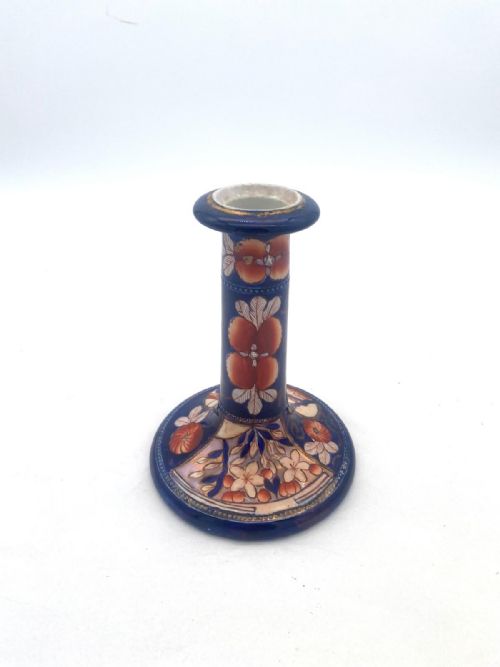


Vintage Porcelain Holder
These vintage porcelain holder pieces bring functional elegance to a room, offering both decorative charm and practical utility from periods spanning the eighteenth century to the art deco era.
Vintage Porcelain Holder
The selections on this page range from nineteenth-century Staffordshire figures to twentieth-century French art deco pieces and royal Worcester flower holders. Most pieces bridge decorative art and everyday utility, utilising ceramic bodies shaped into figural or classical forms.
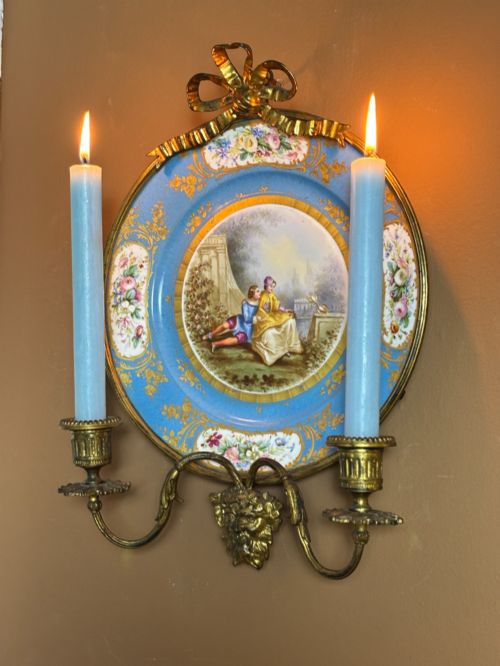
Early nineteenth-century examples often display regency or rococo revival styling, while later pieces reflect art deco or arts and crafts influences. Buyers frequently meet items incorporating metal mounts, gilt-metal, or ormolu alongside the core ceramic material.
Materials and technique
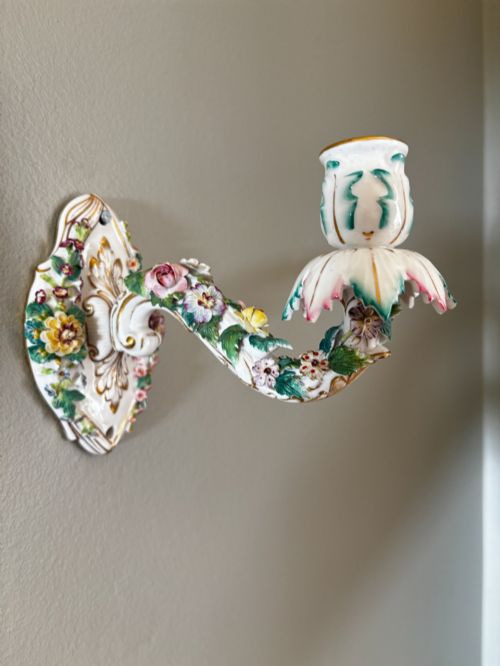
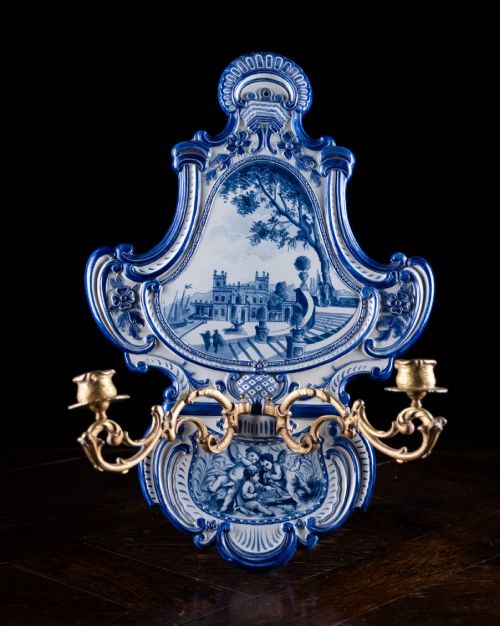
Makers shaped these items using porcelain, earthenware, and ceramic bodies, frequently applying hand-painted glazes and detailed enamel work. Surface decoration often includes gold leaf, gilding, and transfer or hand-applied pictorial motifs.
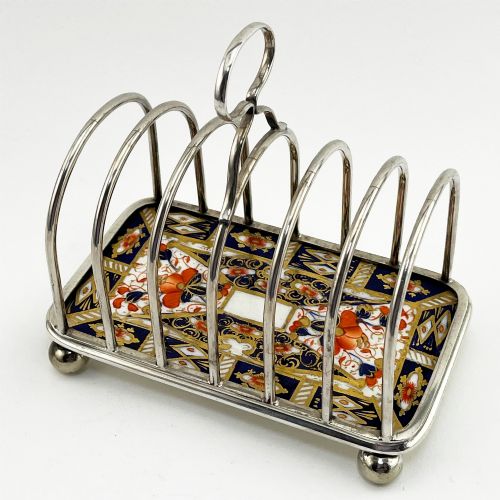
Many items integrate secondary materials such as brass, ormolu, or silver plating to mount or support the ceramic components. Kiln-fired glazes provide durability while framing intricate sculptural details like bocage backgrounds or figural elements.
Vintage Porcelain Holder Retail Price Guide 2026
Typical asking prices for vintage porcelain holder among the pieces listed under this phrase on Sellingantiques today, from the lower quarter to the upper quarter. They describe what is for sale here now, not the wider market.
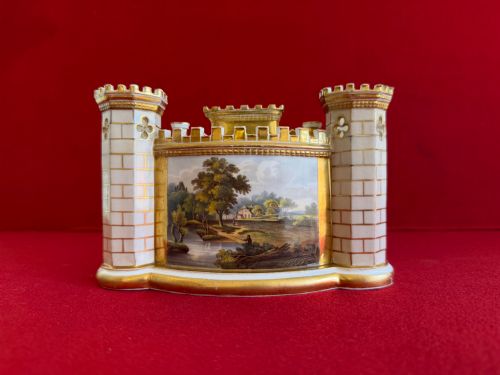
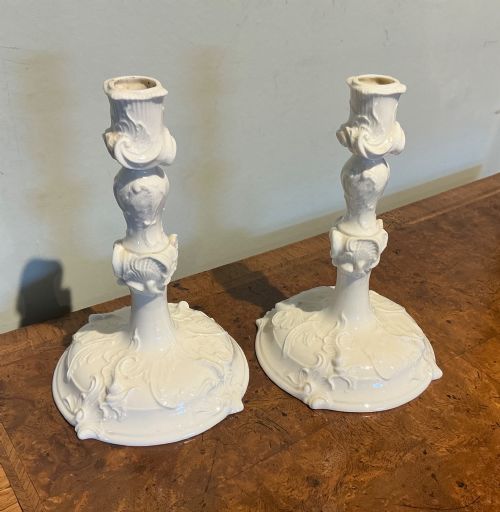
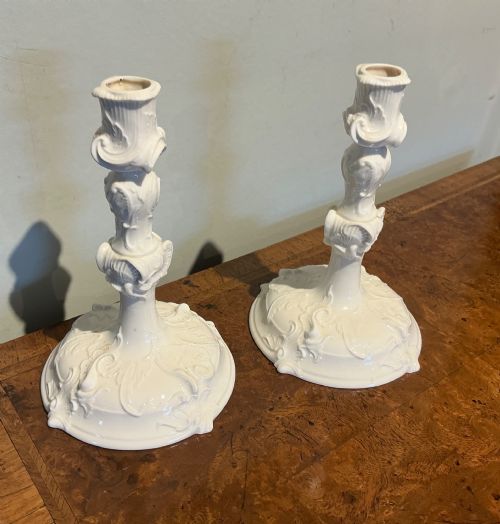
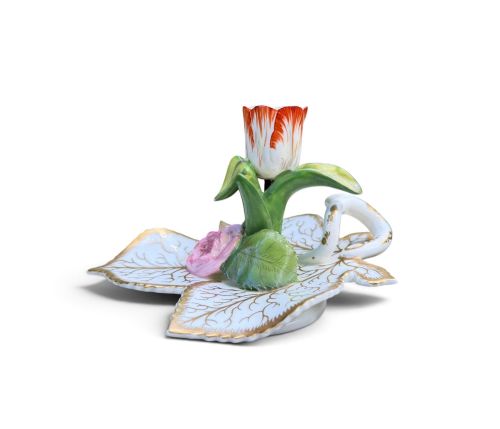
Object forms span functional categories including spill vases, inkwells, chambersticks, and figural candlesticks.
Variations in quality
Quality in these pieces rests upon the crispness of the porcelain moulding, the refinement of the hand-painting, and the integrity of any metal mounts. Superior examples demonstrate expert brushwork on hand-decorated scenes and precise application of gilding or enamel.
The integration of mixed materials also defines the hierarchy, where fine ormolu or silver mounts fit seamlessly with the ceramic body. Factory attribution and the presence of artist signatures elevate certain works above standard production items.
Villeroy and Boch·Meissen·Nymphenburg·Royal Worcester·Royal Doulton·Sitzendorf·Bow
The Vintage Porcelain Holder Glossary
- Spill vase
- A small cylindrical vessel designed to hold taper spills used for lighting candles or fires. These items often feature hand-painted landscapes or figural subjects.
- Bocage
- A decorative background of carved or modelled foliage applied behind ceramic figures. This technique appears frequently on eighteenth and nineteenth-century figural candlesticks.
- Ormolu
- Gilded bronze or brass mounts applied to ceramic bodies for decorative and structural enhancement. This finish adds a metallic lustre commonly found in nineteenth-century decorative arts.
- Imari
- A style of ceramic decoration employing a palette of underglaze blue, iron red, and gold. This aesthetic originates from Japanese export ware and influenced European manufactories.
- Chamberstick
- A short candlestick fitted with a pan to catch dripping wax and a loop handle for carrying. These items served practical lighting functions in domestic bedrooms.
Vintage Porcelain Holder: Frequently Asked Questions
What is a porcelain holder used for?
These pieces served practical household functions ranging from holding candles and quills to containing flowers or desk accessories. Their dual purpose allowed them to act as both functional tools and decorative objects in period interiors.
Over time, many of these utilitarian items transitioned into purely decorative cabinet pieces or display items. Collectors today utilise them to bring historical character and functional charm to traditional and eclectic room settings.
Are these holders fragile?
Porcelain and ceramic objects require careful handling due to the brittle nature of fired clay and porcelain. Items with delicate elements like figural limbs, bocage foliage, or attached metal mounts need secure placement away from heavy traffic areas.
Routine maintenance involves gentle dusting with a soft cloth rather than harsh liquid cleaning. Preserving the original gilding and enamel work ensures the long-term stability of the decorative surfaces.
How do I display a vintage holder?
Displaying these pieces effectively involves placing them on stable flat surfaces where their form and hand-painted details remain visible. Mantelpieces, bookcases, and desks provide ideal settings that reflect their historical use as decorative or functional items.
Grouping items by period or material style creates a cohesive visual impact within a room. Adequate lighting helps highlight the glaze quality, gilding, and intricate modelling characteristic of these works.