



Vintage Porcelain Doll
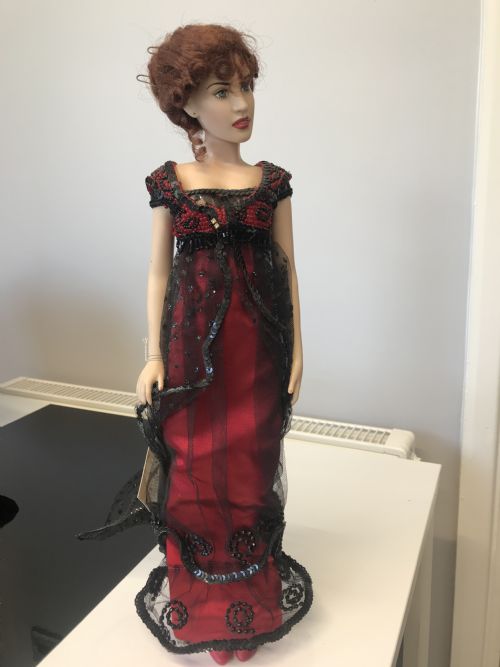
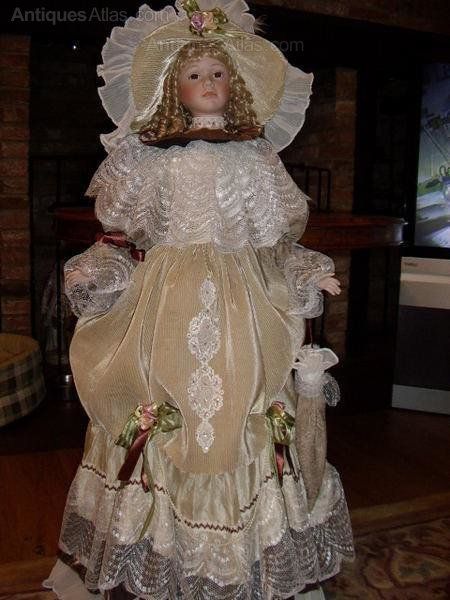
A vintage porcelain doll brings sculptural charm to a dressing table, combining delicate ceramic faces with intricate period dress.
Vintage Porcelain Doll
When you search for a vintage porcelain doll, you encounter a fascinating assortment of sculptural ceramic objects dating from the early twentieth century onwards. The selection on this page leans heavily towards the Art Deco period, featuring numerous half dolls designed for dressing tables and vanity accessories.
Beyond traditional full-bodied figures, these listings encompass functional items such as powder jars, trinket boxes, pin cushion dolls, and cigarette strikers. Originating from workshops in France, Germany, and Austria, these pieces capture the distinct aesthetic movements of their respective eras, from Victorian sensibilities to Art Deco flapper styles.
Collectors will also find larger life-size pieces and decorative piano babies alongside specialised collector items from later decades. Each object demonstrates how ceramic artistry served both ornamental and practical purposes in domestic spaces over the past century.
Materials and manufacture
Fabric, lace, and sequins play a vital role in completing the figures, particularly on pin cushion dolls and half doll assemblies where textiles form the lower garments or dresses. Gold leaf highlights and hand-made clothes further enhance the textural complexity of the objects.
Vintage Porcelain Doll Retail Price Guide 2026
Typical asking prices for vintage porcelain doll among the pieces listed under this phrase on Sellingantiques today, from the lower quarter to the upper quarter. They describe what is for sale here now, not the wider market.
Listings feature porcelain, ceramic, glaze, fabric, lace, gold leaf, and sequins across items from the nineteen-thirties and nineteen-hundreds.
Quality factors in porcelain figures
The distinction between standard production and superior craftsmanship rests in the fineness of the facial moulding and the precision of the hand-painted details. Finer pieces exhibit delicate brushwork on the eyes and lips, giving the ceramic face a lifelike expression.
The integrity of the associated materials also dictates overall quality, such as the preservation of original fabric clothing, lace, and hand-made accessories. Pieces produced by recognised manufactories often display superior clarity in the porcelain body and more robust construction in functional items like powder bowls and trinket boxes.
Franklin Mint·Fasold & Stuach·William Goebel
The Vintage Porcelain Doll Glossary
- Half doll
- A ceramic doll figure manufactured from the waist up, originally designed to adorn tea cosies, pin cushions, lampshades, and powder boxes. They became particularly popular during the Art Deco era.
- Bisque
- Unglazed porcelain with a matte, porous surface resembling marble, frequently utilised for Victorian and Edwardian piano babies and decorative figurines.
- Flapper girl
- A style archetype representing the liberated young women of the nineteen-thirties, characterised by bobbed hair and stylish attire, commonly depicted in powder puff stands and pin cushion dolls.
- Piano baby
- A decorative porcelain or bisque figurine placed on top of upright pianos during the Victorian and Edwardian periods, often depicting reclining babies or children.
Vintage Porcelain Doll: Frequently Asked Questions
What is a half doll used for?
Half dolls served as decorative toppers for functional household items, allowing makers to combine sculpture with textiles. They were attached to powder jars, pin cushions, and brush sets.
In daily use, the ceramic upper torso sat above fabric skirts or velvet cushions, adding elegance to dressing tables across Europe.
How do I date a porcelain doll?
Dating relies on stylistic clues such as clothing, hair styling, and manufacturing marks. Art Deco pieces from the nineteen-thirties feature distinct flapper aesthetics.
Earlier Victorian examples often show heavier porcelain forms and softer pastel glazing, contrasting with the sharper geometric lines of later decades.
Are piano babies vintage?
Piano babies date from the late Victorian and Edwardian periods, typically produced around nineteen hundred. They were placed on pianos as purely ornamental objects.
These unglazed bisque figures captured natural poses of infants, reflecting the domestic sentimentality of the era before Art Deco designs emerged.