


Vintage Pocket Snuff Box
A vintage pocket snuff box is a small receptacle carried to hold ground tobacco, offering a tactile connection to historical personal habits.
Vintage Pocket Snuff Box
When you search for a vintage pocket snuff box, you encounter personal containers spanning the Georgian, Victorian, and Edwardian periods, alongside early twentieth-century examples. The selection includes dedicated snuff boxes, tobacco boxes, and misers boxes designed to dispense small quantities of powder.
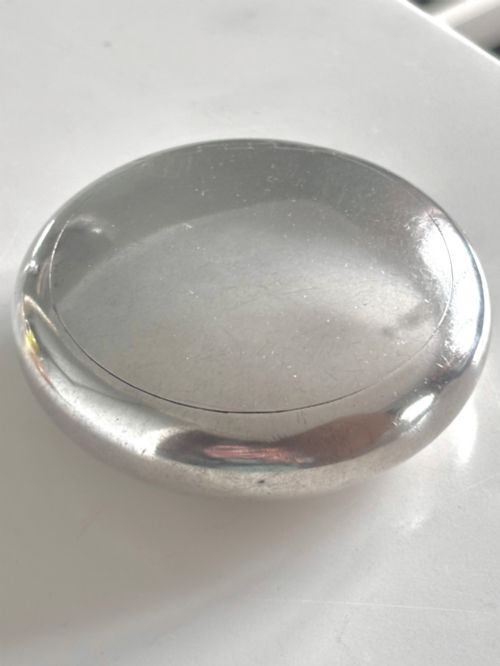
You are most likely to meet silver and metal specimens alongside organic materials like horn and ebony. These objects range from plain pocket containers to engraved brass and heavy cast silver pieces meant for daily carriage.
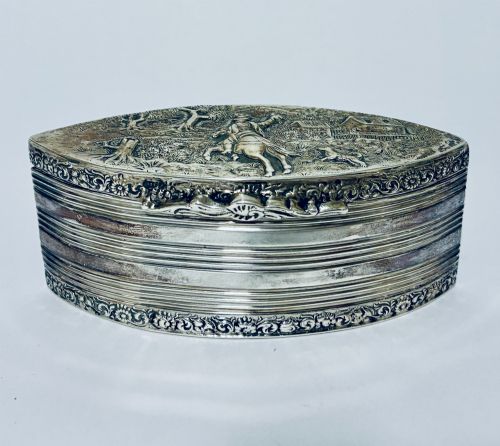
The assortment reflects diverse European origins, encompassing English, French, Dutch, and Ottoman craftsmanship. Forms vary from simple rectangular pouches to oval waistcoat pieces and novelty copper bellows.
How they were made
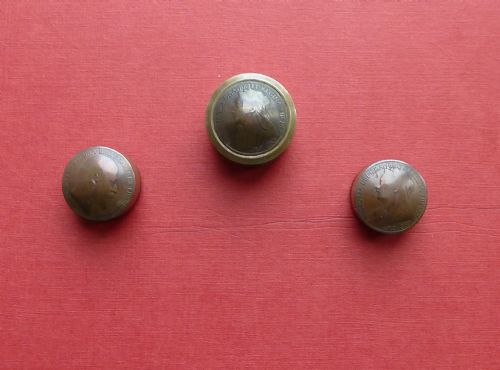
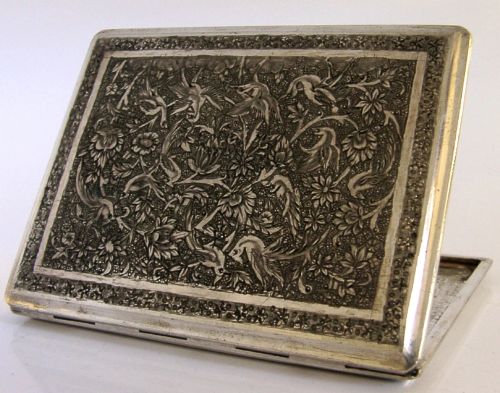
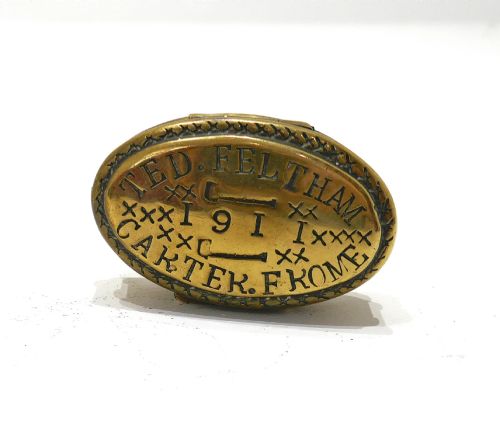
Makers utilised metals such as sterling silver, brass, copper, bronze, and pewter, often shaping them through heavy casting or engine turning. Engraving and coin embellishment frequently decorated the exterior surfaces of metal vessels.
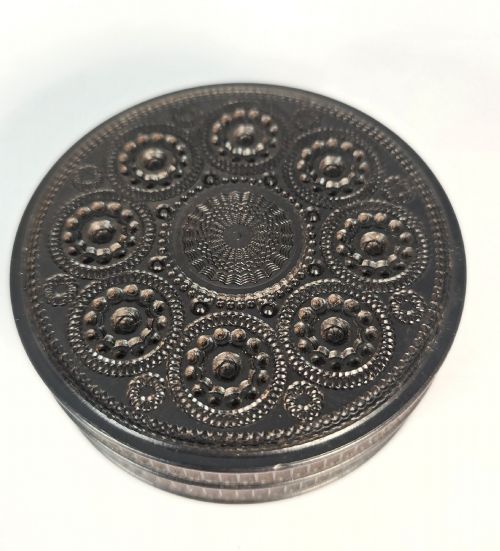
Organic materials such as horn and ebony underwent carving and shaping to create tactile containers like Scottish mulls and inlaid boxes. Leather and painted tin provided alternative lightweight options for pocket use.
Techniques such as niello work and silver gilt application added contrasting surface detail and interior richness to select pieces.
Listings feature items from the Georgian, Victorian, and Edwardian periods, utilising sterling silver, brass, horn, ebony, and copper.
What varies in quality
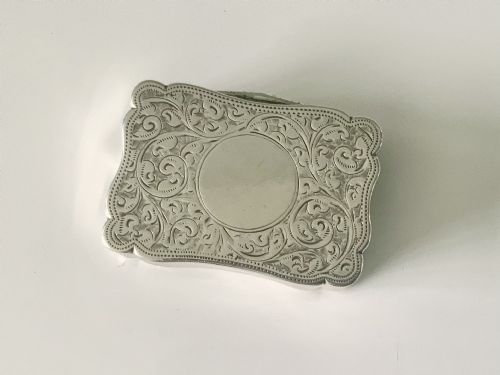
Quality rests in the crispness of the engraving and the precision of engine-turned patterns across metal and wooden surfaces. Heavy cast silver and solid metal constructions represent higher standards than lightweight plated alternatives.
The execution of specialised decorative techniques, such as niello inlay or detailed coin embellishments, distinguishes superior examples from standard production. Well-fitted lids and hinges that maintain structural integrity elevate the standing of a pocket container.
The choice and treatment of material, from carved horn to solid silver, dictate the refinement of the piece.
Mappin And Webb·Joseph Wilmore·Nathaniel Mills
The Vintage Pocket Snuff Box Glossary
- Engine turned
- A method of mechanical decoration that etches intricate geometric patterns into metal or wood surfaces. This technique was frequently utilised on nineteenth-century boxes.
- Niello
- A black metallic alloy used as an inlay on engraved metal, particularly silver, to highlight decorative designs. It creates a striking contrast against the bright metal background.
- Snuff mull
- A traditional Scottish container for powdered tobacco, typically fashioned from animal horn. These pieces often feature distinctive curved or natural organic shapes.
- Silver gilt
- Silver that has been coated with a thin layer of gold on its interior or exterior surfaces. This treatment provided a richer appearance and protected the underlying silver from tobacco acids.
- Misers box
- A specific pocket container designed with a central aperture or sliding mechanism intended to restrict access to the contents. They reflect nineteenth-century personal habits.
Vintage Pocket Snuff Box: Frequently Asked Questions
How were snuff boxes used?
Users carried these small containers to store and dispense pinches of dry tobacco, known as snuff, which was inhaled through the nose. The snug lids kept the powder dry and prevented spills while being transported.
Opening the box was a deliberate social gesture, often involving engraved or hinged mechanisms designed for one-handed operation.
How do I date a silver snuff box?
Dating silver containers often relies on hallmarks stamped into the metal, which indicate the assay office, year of manufacture, and maker. Stylistic markers such as Victorian ornamentation or Georgian proportions also provide clues to the period of origin.
Inscriptions and engraved names can further anchor a piece to a specific year in the nineteenth or early twentieth century.
What materials are common in these boxes?
Metals dominate the selection, with sterling silver, brass, copper, and pewter appearing frequently across the inventory. Organic substances like ebony, leather, and carved horn also form a significant portion of the available pieces.
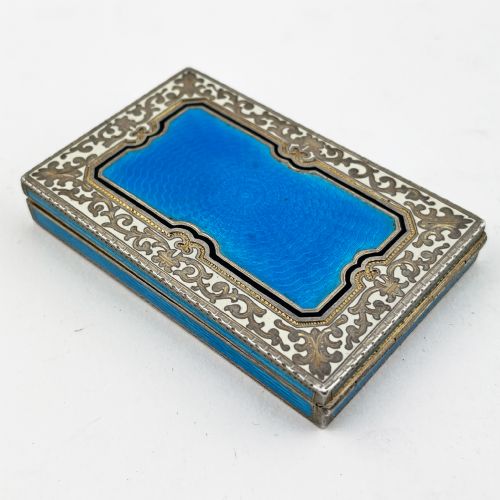
Select examples incorporate specialised finishes such as silver gilt, enamel, or niello inlay to enhance their decorative appeal.