

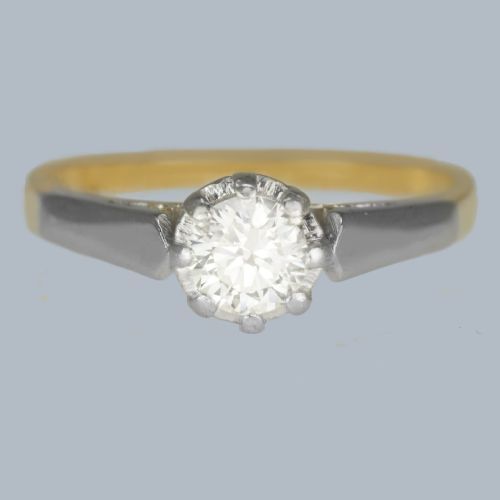


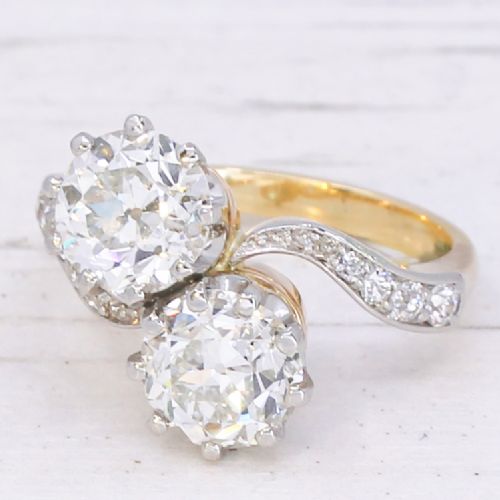


Vintage Platinum Claw Ring
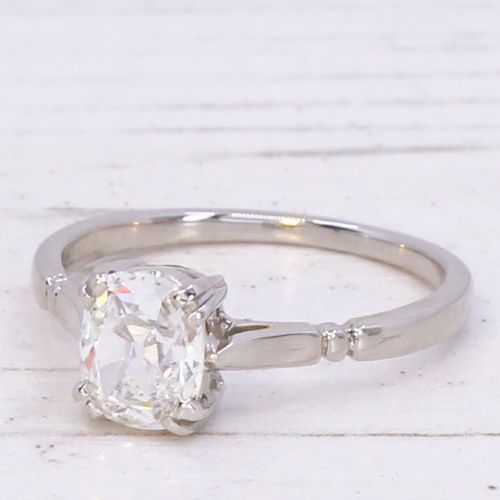
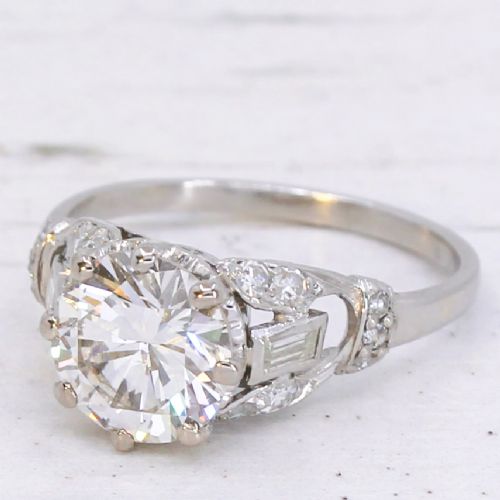
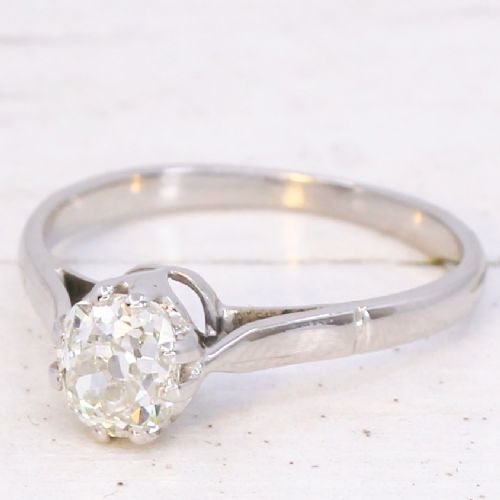
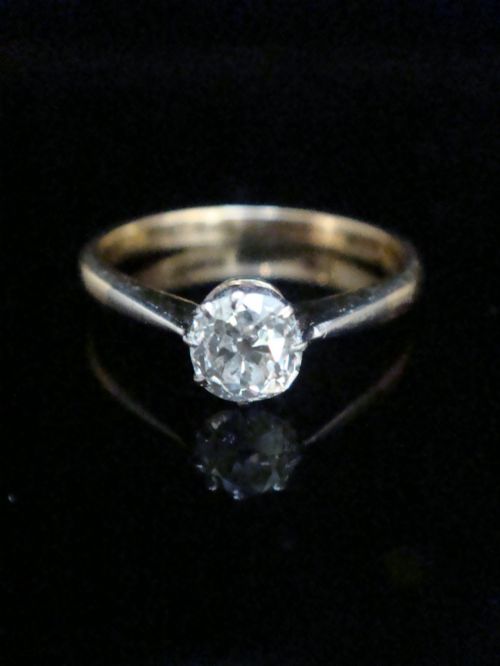
A vintage platinum claw ring secures diamonds or sapphires in raised metal settings, offering the bright contrast of durable white metal alongside yellow gold or platinum bands.
Vintage Platinum Claw Ring
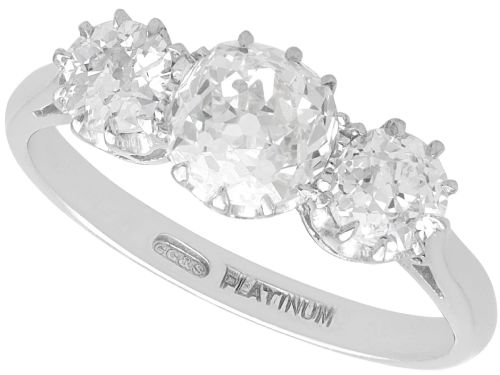
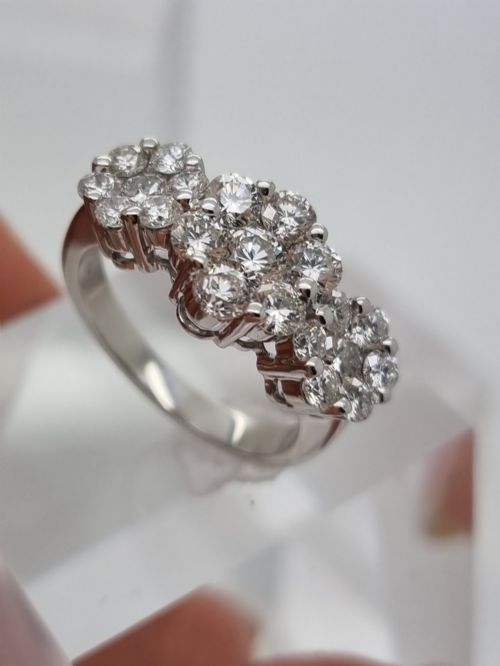
A vintage platinum claw ring combines strong white metal prongs with precious stones such as diamonds and sapphires, forming engagement rings and dress rings. These pieces emerge from decades spanning the Edwardian era through the mid-twentieth century, including Art Deco and 1940s Retro designs.
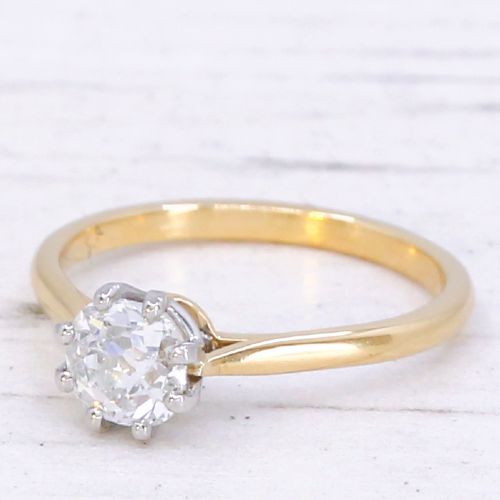
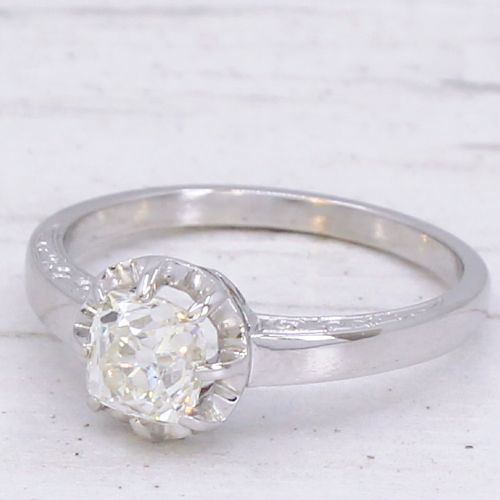
Solitaires, trilogy pieces, and five-stone arrangements dominate the selection, often mounting old cut, transitional cut, or old European cut diamonds. Settings frequently pair platinum heads with yellow or white gold shanks, anchoring gemstones firmly while exposing maximum surface area to light.
How they were made
Goldsmiths utilised durable platinum to fashion delicate yet robust claw settings that hold diamonds and sapphires securely above the band. Combining platinum with 18ct yellow gold or white gold allowed makers to contrast bright white metal prongs against warmer shank metals.
Stones receive traditional cutting techniques such as old mine cuts, old European cuts, and transitional cuts, shaping facets by hand to catch candlelight and daylight alike. Prong tips are shaped and smoothed manually to grip the girdle of each gemstone without obscuring its silhouette.
Vintage Platinum Claw Ring Retail Price Guide 2026
Typical asking prices for vintage platinum claw ring among the pieces listed under this phrase on Sellingantiques today, from the lower quarter to the upper quarter. They describe what is for sale here now, not the wider market.
Listings feature platinum and gold rings spanning the Edwardian period through the 1960s, including Art Deco and mid-century designs.
What varies in quality
The integrity of the claw setting distinguishes finer examples, where prongs remain even, thick enough to secure the stone, and neatly finished without excess metal blobbed around the girdle. Superior pieces preserve their original geometric proportions and shank thickness despite decades of wear.
Gemstone selection dictates the upper tier of the range, visible in the clarity, colour grades, and matching symmetry of multi-stone rings like trilogy or five-stone layouts. Maker attribution, such as signed pieces, further separates standard production jewellery from exceptional workshop output.
Kutchinsky
The Vintage Platinum Claw Ring Glossary
- Claw setting
- A mounting style utilising narrow metal prongs to hold a gemstone, allowing light to enter the stone from multiple angles. This technique maximises the brilliance of old cut diamonds.
- Old European cut
- An early round diamond cut characterised by a small table, heavy crown, and open culet, common in late-nineteenth and early-twentieth-century jewellery. These cuts produce a distinctive pattern of broad light flashes.
- Trilogy ring
- A ring featuring three principal gemstones, often interpreted symbolically to represent the past, present, and future. They frequently combine a larger centre diamond with two matching side stones.
- Toi et Moi ring
- A two-stone ring style translating to you and me, featuring side-by-side or swirling gemstones that symbolise two souls entwined. These pieces often pair diamonds with sapphires.
- Transitional cut
- A diamond cutting style used between the old European cut and the modern brilliant cut, bridging antique and contemporary geometry. It retains smaller tables and high crowns while increasing facet standardisation.
Vintage Platinum Claw Ring: Frequently Asked Questions
What is a claw setting?
A claw setting uses individual metal prongs to grip the girdle of a gemstone, elevating it above the band.
This method exposes the pavilion of the diamond or sapphire to surrounding light, increasing sparkle.
How do I care for platinum rings?
Platinum is a dense and durable metal that withstands daily wear better than softer gold alloys, requiring minimal maintenance.
Cleaning with warm soapy water and a soft brush restores the shine of both the metal and the mounted stones.
What is an old European cut?
An old European cut is a historical diamond faceting style featuring a small table and deep pavilion.
Master lapidaries cut these stones by hand under candlelight, resulting in softer, broader light reflection than modern brilliant cuts.
How do I identify Art Deco rings?
Art Deco rings showcase geometric lines, symmetrical patterns, and strong contrasts between platinum and gemstones.
These pieces reflect the design ethos of the 1920s and 1930s, favouring architectural mounts and calibrated sapphires.