



Vintage Platinum Chain Necklace
A vintage platinum chain necklace offers enduring metalwork and delicate gemstone settings suited to daily wear or formal occasions alike.
Vintage Platinum Chain Necklace
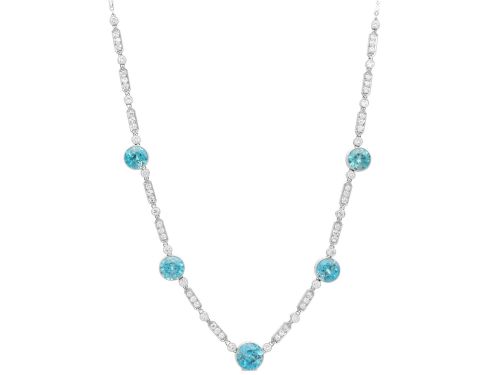
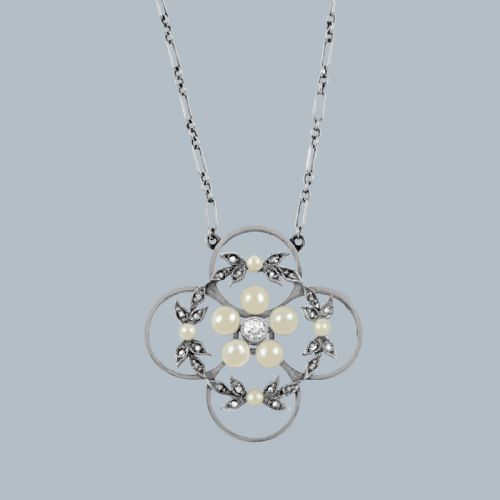
A vintage platinum chain necklace brings together enduring precious metal links and period craftsmanship spanning the Edwardian, Art Deco, Victorian, and Mid-Century eras. Buyers seeking this category encounter varied designs incorporating stones such as diamond, pearl, zircon, sapphire, amethyst, and enamel alongside foundational elements of platinum, 18ct gold, and 15ct gold.
The pieces on this page range from delicate seed pearl and natural saltwater pearl strands set in platinum and gold to substantial gem-set pendants and link chains featuring dog clips and bolt rings. Edwardian and 1920s examples frequently display intricate pearl and diamond work, while later mid-century pieces introduce sapphire crosses and yellow gold combinations.
Navigating these selections involves recognising how period aesthetics shift from lacy Edwardian motifs to geometric Art Deco lines and simpler mid-century configurations. Each necklace carries distinct structural markers that define its era of production and material composition.
Materials and construction methods
Platinum serves as the primary metal structure across these listings, often combined with 18ct yellow gold, 15ct gold, or used alongside delicate platinum settings to secure diamonds and pearls. This dense metal allowed makers to forge exceptionally fine yet secure links and mountings that held intricate gemstones without heavy bulk.
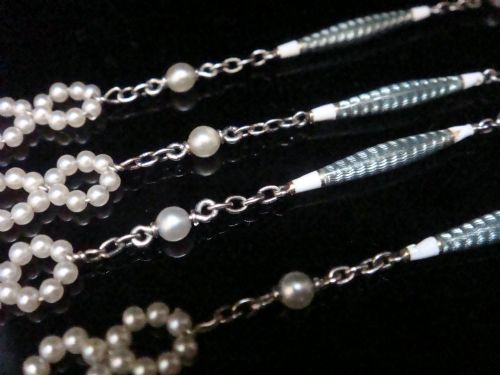
Jewelers integrated natural saltwater pearls, seed pearls, and faceted stones including zircon, sapphire, diamond, and amethyst into the chain designs or pendant drops. Enamel work also appears on select Edwardian pieces, adding colour contrast to the white metal framework.
Functional hardware such as dog clips and bolt rings were expertly incorporated into the chain assemblies, demonstrating practical craftsmanship that matched the decorative appeal of the primary links and pendants.
Listings feature pieces spanning the Victorian, Edwardian, Art Deco, and Mid-Century periods, incorporating platinum alongside 18ct and 15ct gold.
Factors determining quality
The refinement of the metalwork and the precision of the stone settings establish the distinction between standard and superior examples. Master jewellers achieved exceptional delicacy in platinum wirework and link construction while maintaining structural integrity.
The quality of incorporated materials, from certified natural saltwater pearls to well-matched diamonds and coloured stones, significantly influences the overall character of the piece. Superior execution is visible in the seamless integration of clasps like dog clips and bolt rings with the main chain design.
The Vintage Platinum Chain Necklace Glossary
- Platinum
- A dense, strong, and naturally white precious metal utilised in fine jewellery for its ability to hold delicate gemstone settings securely. It gained widespread popularity in high-end pieces during the Edwardian and Art Deco periods.
- Dog clip
- A spring-loaded snap fastener commonly found on antique and vintage chains, allowing secure attachment to pocket watches, pendants, or other links. This mechanism provides both functional security and period charm.
- Bolt ring
- A circular hollow ring fitted with a spring-loaded internal bolt, serving as a traditional clasp on chains and necklaces. It represents a standard method of fastening in antique gold and platinum jewellery.
- Saltwater pearl
- A pearl formed within marine pearl oysters, prized in antique pieces for its natural lustre and orient. These organic gems frequently appear in Edwardian and early twentieth-century designs.
- Zircon
- A natural silicate mineral occurring in various colours, often used in antique jewellery as a brilliant gemstone due to its high refractive index and dispersion. It provides substantial sparkle alongside diamonds in twentieth-century pieces.
Vintage Platinum Chain Necklace: Frequently Asked Questions
How do I care for platinum chains?
Platinum is exceptionally durable, but delicate pearl or gemstone elements require gentle cleaning with mild soapy water and a soft cloth. Avoid harsh chemical dips, particularly when pearls or soft stones are present in the design.
Store each necklace separately in a soft pouch to prevent tangling of the fine links and scratching of softer gems or enamel work.
Can these necklaces be worn daily?
Many platinum chains and robust link designs suit everyday wear due to the strength of the metal. However, pieces incorporating natural pearls or delicate seed pearls demand more mindful handling to preserve their organic surfaces.
Assessing the strength of catches like bolt rings and dog clips ensures safe daily use for antique and vintage pieces.
What defines Edwardian platinum work?
Edwardian platinum jewellery is characterised by light, lace-like metalwork designed to mimic fabric and garlands. Platinum allowed makers to use minimal metal while securely setting diamonds and pearls.
This era favoured ethereal aesthetics, often combining white platinum with yellow gold backs and natural saltwater pearls.
Are original clasps common on these necklaces?
Many vintage chains retain their original functional hardware, including traditional dog clips and spring bolt rings. These components match the primary metal and wear characteristics of the chain.
Inspecting the connection points helps confirm whether the clasp corresponds to the era of the main necklace body.