

Vintage Plate Display Cabinet
A vintage plate display cabinet or matching dresser holds ceramic and porcelain tableware, bringing practical storage and decorative focus to a room.
Vintage Plate Display Cabinet
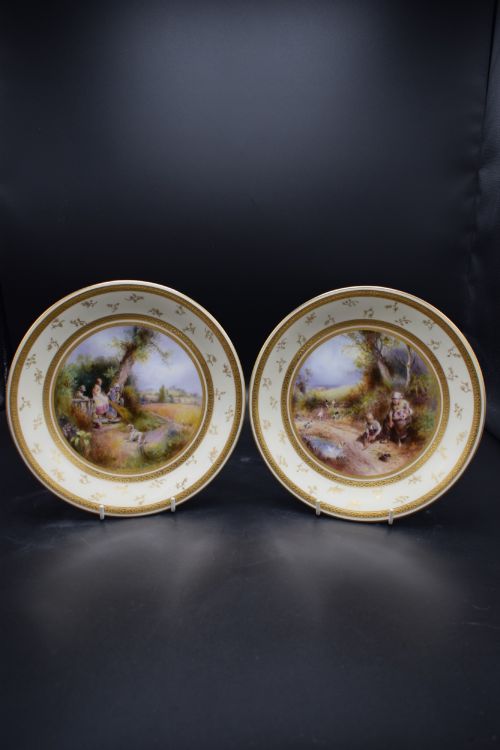
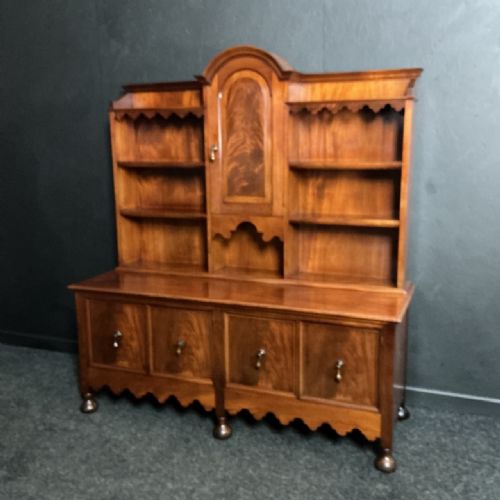
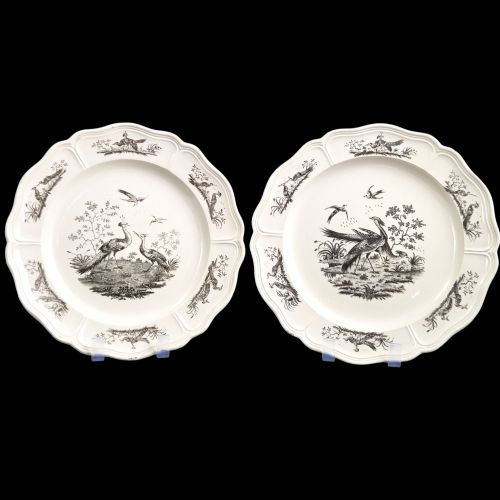
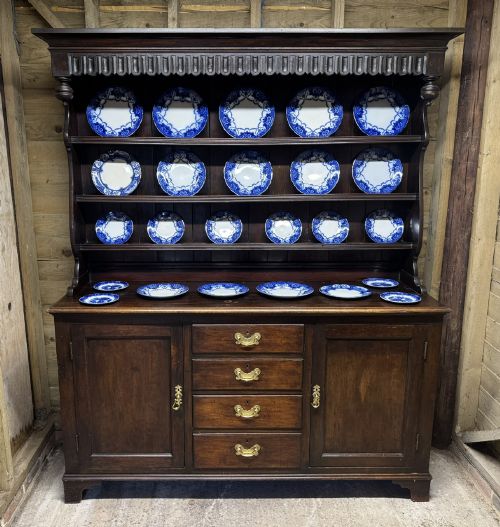
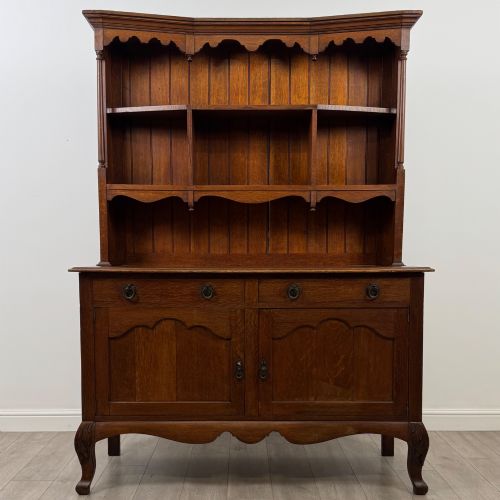
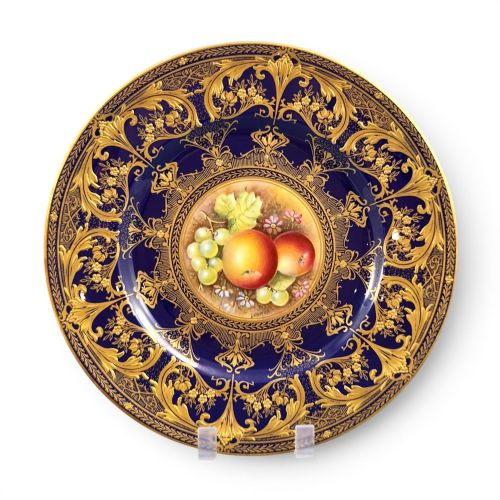
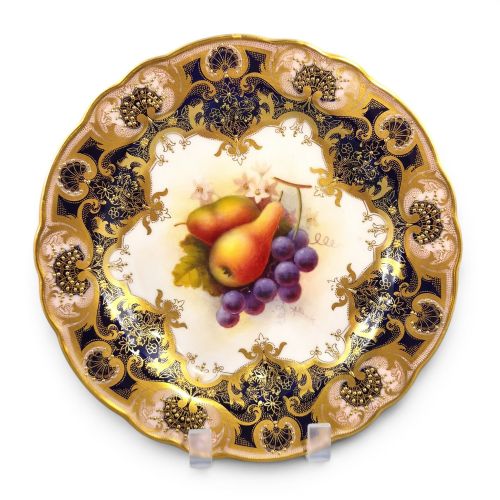
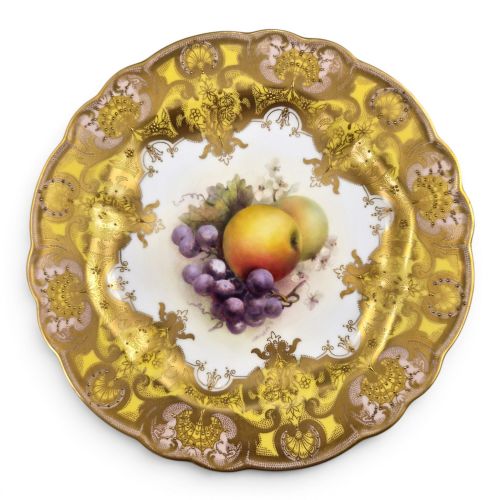
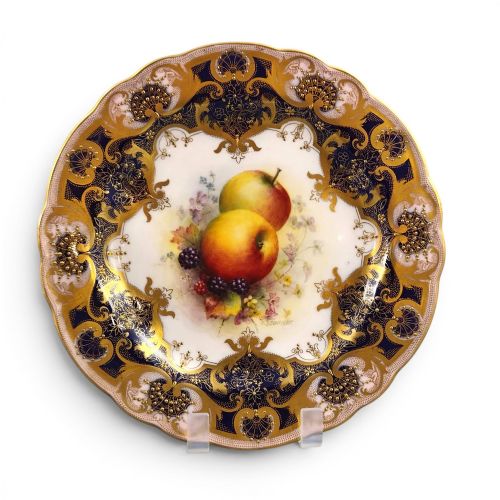
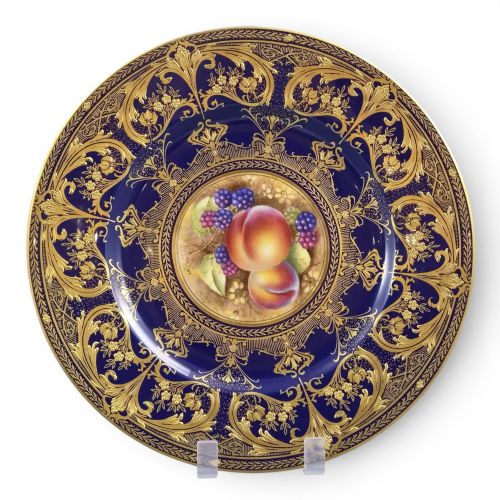
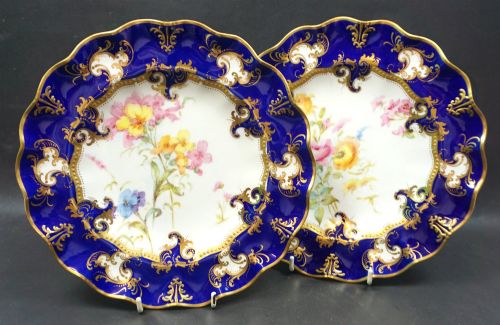
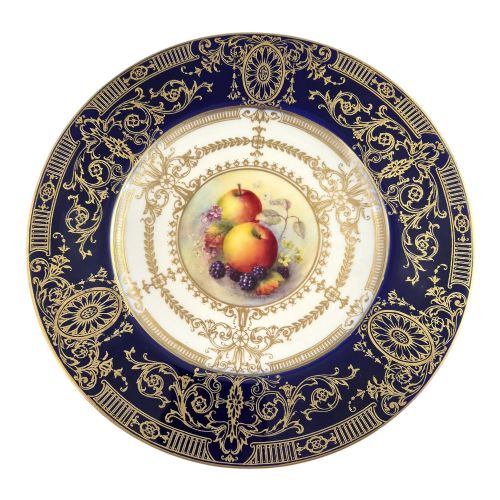
A vintage plate display cabinet brings together items from the 19th Century, Edwardian, and mid-century decades, including large oak dressers with open shelves and specialised cabinet plates designed for showcase display rather than daily dining. The pieces span regional English and Welsh cabinetry alongside porcelain from factories like Royal Worcester and Royal Crown Derby.
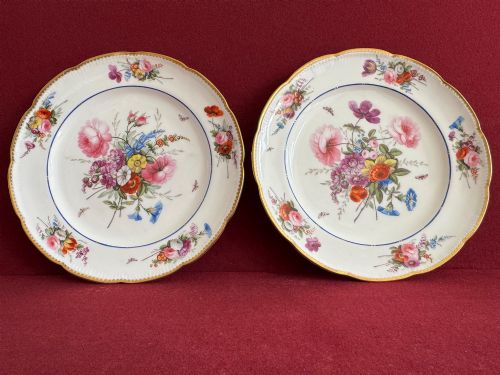
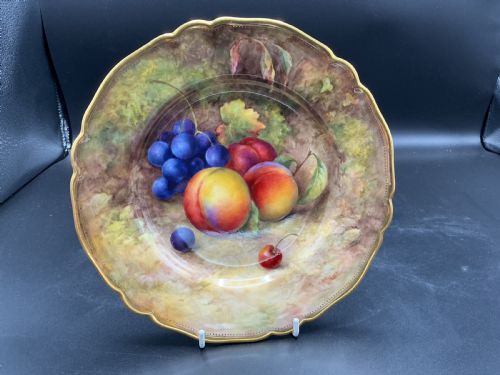
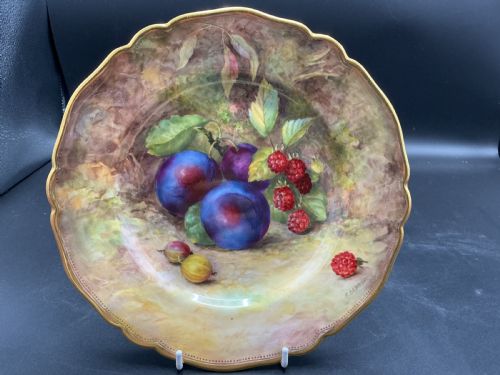
Buyers encounter solid oak furniture intended for farmhouse kitchens alongside delicate porcelain plates painted with fruit, birds, or floral scenes. These objects serve both utilitarian storage functions for ceramics and a decorative purpose in period interiors.
How They Were Made
Cabinetry relies on solid oak and mahogany, constructed with traditional joinery to support open plate racks and shelving units. Wood surfaces receive natural finishes that highlight the grain.
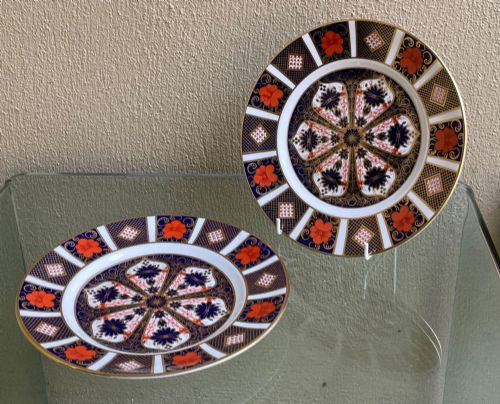
Ceramics utilise porcelain, bone china, and ironstone, shaped into plates, chargers, and cabinet pieces. Decoration involves hand-painted enamel, gilding with gold leaf, and intricate Japanese Imari transfer or hand-applied patterns.
Vintage Plate Display Cabinet Retail Price Guide 2026
Typical asking prices for vintage plate display cabinet among the pieces listed under this phrase on Sellingantiques today, from the lower quarter to the upper quarter. They describe what is for sale here now, not the wider market.
Listings feature oak dressers and porcelain cabinet plates spanning the Georgian period, the 19th Century, Edwardian era, and mid-century decades.
What Varies in Quality
Quality rests on the skill of the artist and the prestige of the pottery, with signed hand-painted fruit and bird studies by known porcelain decorators commanding higher regard than standard transfer-printed wares. The crispness of the brushwork and the richness of the gilding set superior cabinet plates apart.
In cabinetry, the depth of the timber grain, the weight and integrity of the oak, and the proportion of the rack to the base dictate the standing of a dresser. Hand-cut joinery and period brass or wooden fittings denote superior regional workshop production.
The Vintage Plate Display Cabinet Glossary
- Cabinet plate
- A decorative ceramic plate intended for display in a cabinet or on a wall rather than for dining use. These often feature elaborate painted scenes.
- Charger
- A large decorative plate used as a base piece or hung on a wall for display. They frequently display rich enamel and gold leaf patterns.
- Welsh dresser
- A traditional kitchen storage unit combining lower cupboards or drawers with upper open shelves for displaying plates. Oak is the primary wood used in their construction.
- Imari
- A style of Japanese porcelain decorated in underglaze blue, iron red, and gold. European factories frequently copied these distinct patterns.
- Ironstone
- A heavy, durable type of ceramic developed in the 19th Century to resist chipping while mimicking porcelain. It provides a sturdy surface for colourful enamel decoration.
Vintage Plate Display Cabinet: Frequently Asked Questions
What is a vintage plate display cabinet used for?
These pieces combine wooden furniture with ceramic storage to organise and exhibit decorative porcelain tableware in living spaces or dining rooms.
Open shelves and glazed compartments allow collectors to showcase individual cabinet plates while keeping sets secure and visible.
How do I identify a 19th Century oak dresser?
Older dressers utilise heavy native timber with hand-cut joinery, pegged joints, and open upper racks designed to display rows of plates.
Surface wear, pegged construction, and simpler regional proportions separate 19th Century examples from later reproductions.
What makes a cabinet plate valuable?
Hand-painted artistic scenes signed by notable porcelain decorators elevate the status of individual cabinet plates above standard factory output.
Intricate gilding, enamel work, and attribution to established potteries like Royal Worcester or Royal Crown Derby further distinguish finer examples.
Where should I place a Welsh dresser?
Large oak dressers suit dining rooms and country kitchens where their open shelves can hold collections of ceramic plates and chargers.
Positioning them away from direct sunlight helps preserve the timber finish and the delicate enamel painted on the ceramics.