





Vintage Plaster Casts
These vintage plaster casts bring classical form and academic weight into a room, offering the quiet dignity of antique sculpture without the weight of solid marble.
Vintage Plaster Casts
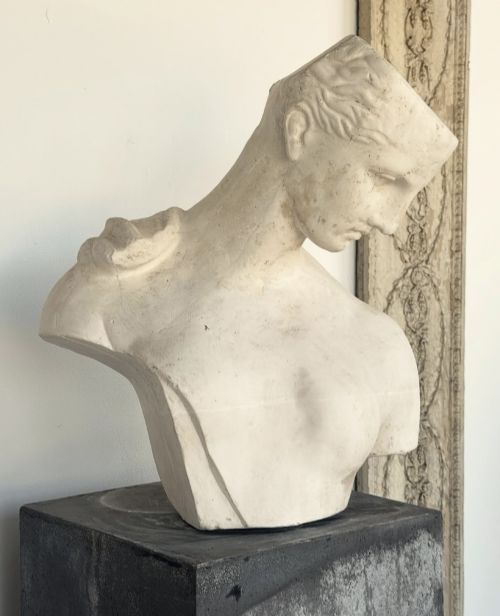
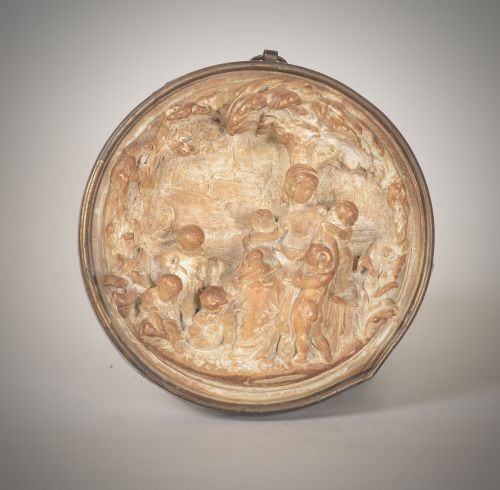
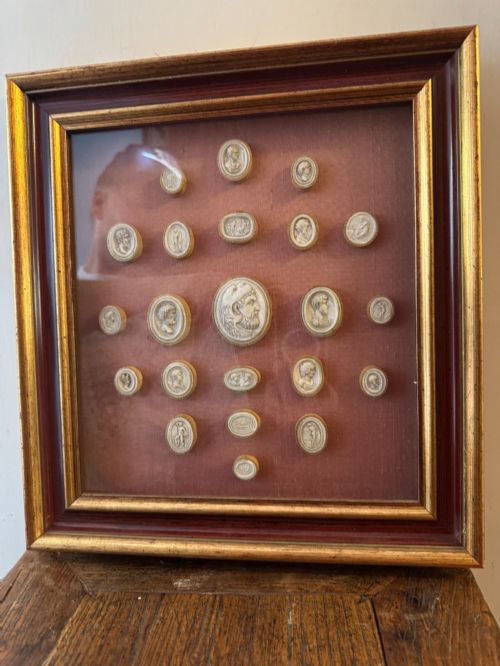
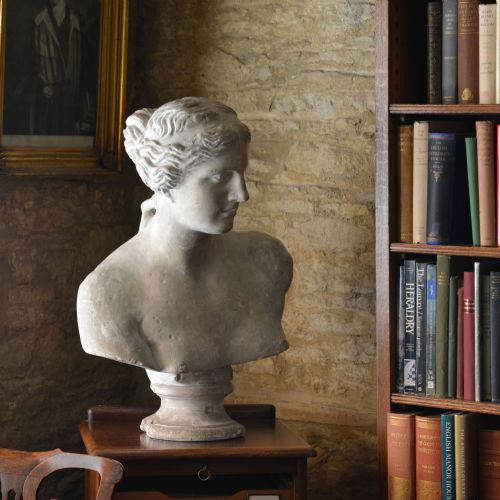
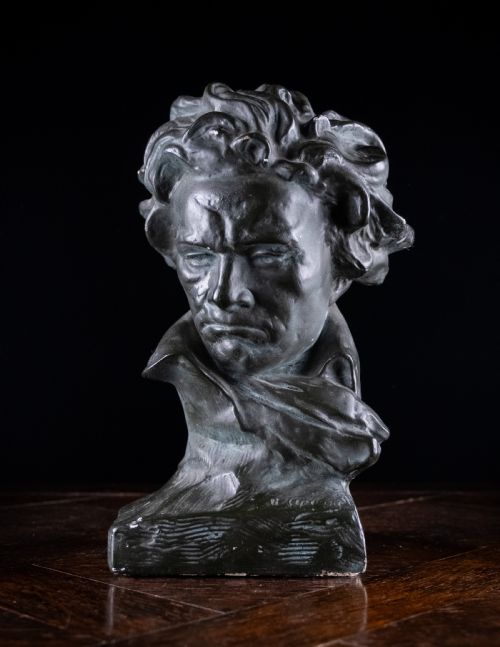
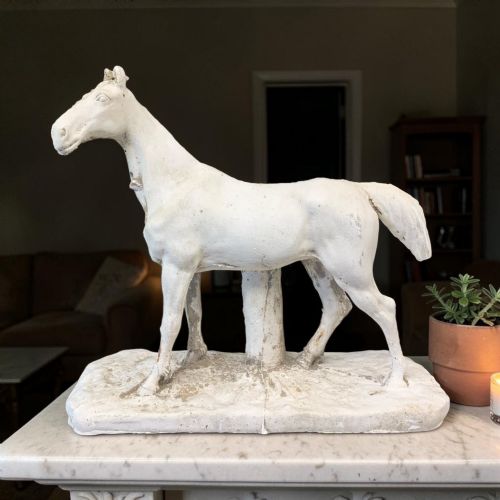
Vintage plaster casts capture classical antiquity and academic study, taking forms such as classical busts, architectural salvage, and framed intaglio cameo panels. Buyers seeking vintage plaster casts will encounter pieces spanning from the eighteenth century through the twentieth century, reflecting enduring neoclassical and grand tour tastes.
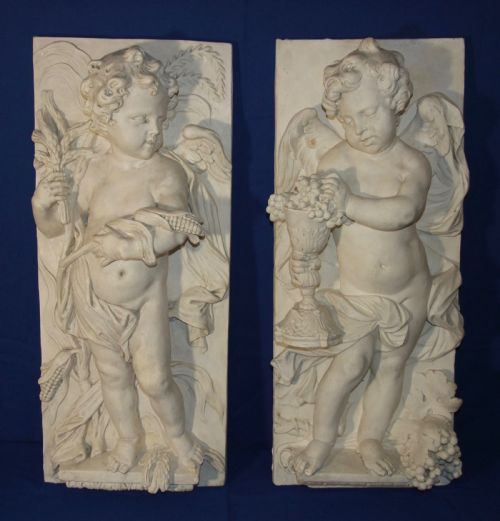
The selection ranges from life-sized portraits of historical figures and mythological subjects to architectural pattern moulds and wall plaques. Pieces frequently emerge from specific periods including the nineteenth century, Edwardian era, and the nineteen-twenties, often displaying patinated surfaces acquired over decades of display.
What varies in quality
The sophistication of the secondary elements, such as hand-carved wooden frames, fitted velvet backing, and the depth of the plaster relief, distinguishes a cabinet piece of grand tour origin from a simpler studio model.
Vintage Plaster Casts Retail Price Guide 2026
Typical asking prices for vintage plaster casts among the pieces listed under this phrase on Sellingantiques today, from the lower quarter to the upper quarter. They describe what is for sale here now, not the wider market.
The current selection spans from the eighteenth century to the nineteen-sixties, utilising plaster, gypsum, wood, glass, and brass.
The Vintage Plaster Casts Glossary
- Plaster cast
- A copy of a sculpture or architectural element made by pouring gypsum plaster into a mould. These objects served as study aids for artists or as souvenirs for travellers.
- Intaglio
- A design carved into the surface of a material so that the impression sits below the plane. In these pieces, small casts of classical gems are frequently framed behind glass.
- Grand tour
- The eighteenth and nineteenth-century custom of travel through Europe undertaken by upper-class young men to collect art and antiquities. Souvenirs included plaster reliefs and miniature intaglios.
- Architectural salvage
- Building elements and decorative components rescued from structures slated for alteration or demolition. These items include carved plaster moulds and wall friezes.
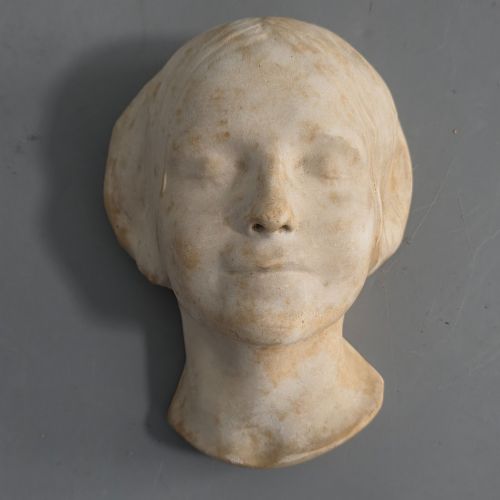
- Death mask
- A likeness taken in plaster of a person's face shortly after death. These objects served as mementoes or as the basis for sculptural portraits.
Vintage Plaster Casts: Frequently Asked Questions
How should I clean a plaster cast?
Dust these pieces gently with a soft, dry brush rather than water or chemical cleaners, as moisture damages porous plaster surfaces.
Avoid abrasive cloths that can wear away surface patination and delicate details on nineteenth-century busts and plaques.
Were these made as art or study pieces?
Many studio casts and architectural models served as teaching aids in art academies where students learned to draw from three-dimensional forms.
Other examples, such as grand tour intaglio panels, were created as decorative cabinet pieces for collectors returning from European travels.
How do I date an antique plaster bust?
Dating relies on stylistic clues, the type of mounting materials used, and the composition of the plaster and paint layers.
Nineteenth-century examples often display the warm patina and surface wear characteristic of prolonged exposure to domestic interiors.
Can plaster casts be hung on walls?
Wall plaques, intaglio panels, and friezes are specifically constructed with hanging provisions or shallow depths for vertical display.
Larger sculptures and busts require stable pedestals or heavy-duty brackets due to the substantial weight of solid gypsum.