

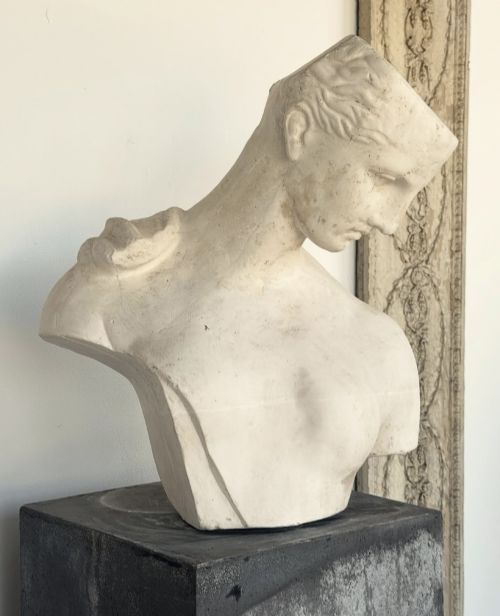
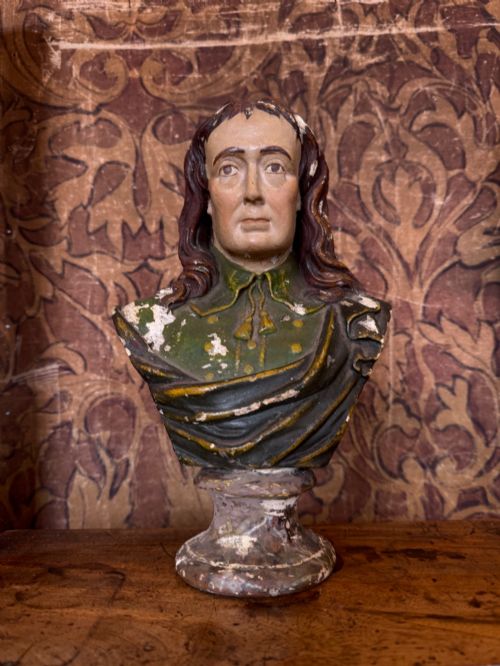
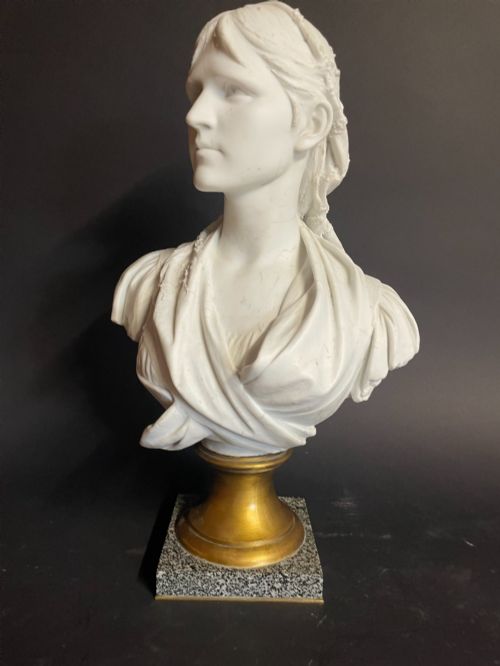
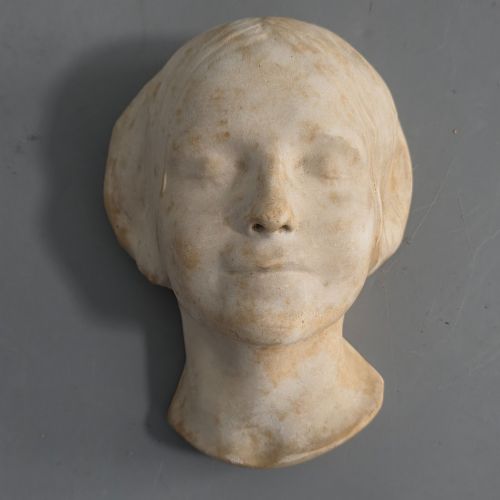




Vintage Plaster Bust
A vintage plaster bust brings classical weight and sculptural form into a room, offering an immediate focal point for any mantelpiece or shelf.
Vintage Plaster Bust
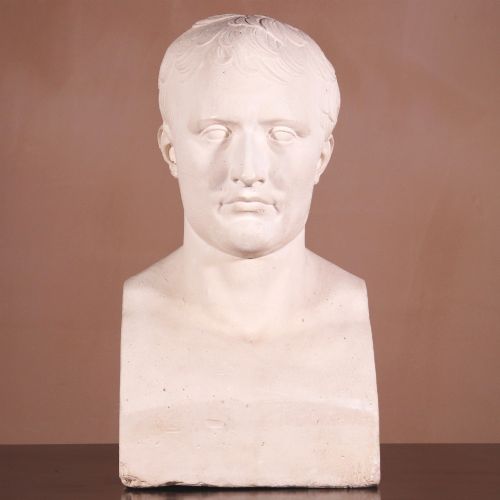
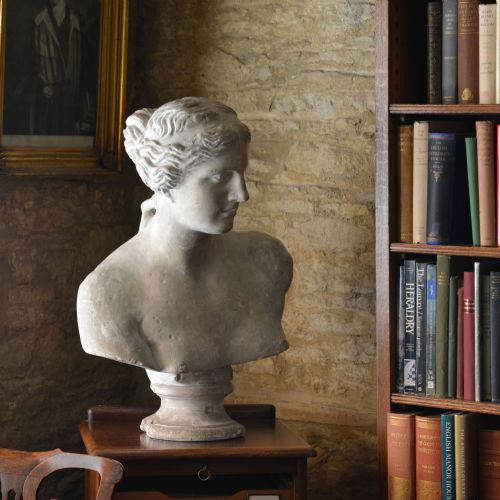
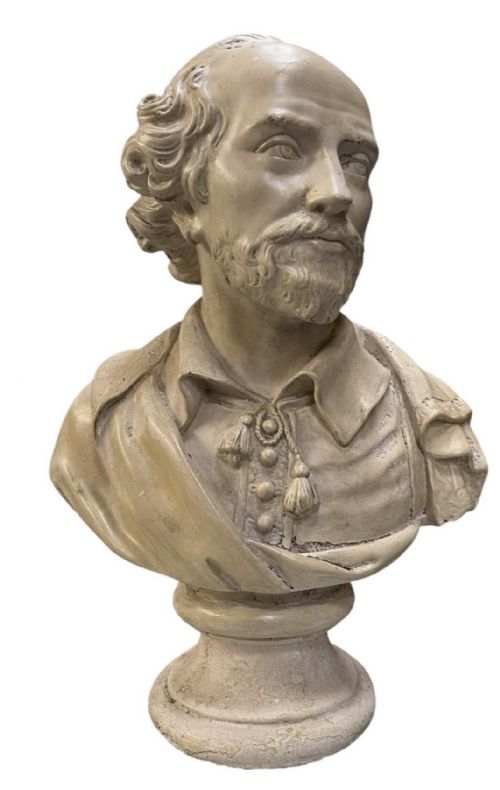
A vintage plaster bust represents human figures, literary icons, historical figures, and classical deities shaped in gypsum and plaster. These pieces range from nineteenth-century Neoclassical representations of Caesars and classical figures to twentieth-century Art Deco advertising mannequins and library busts.
Buyers will encounter portrait busts of historical figures like Beethoven, Shakespeare, and Napoleon alongside anonymous ladies, gentlemen, and specialised counter-top shop displays originating from France and Italy.
Formats vary widely across the selection, encompassing traditional portrait busts on pedestals, wall sculptures, death masks, and lingerie advertising display pieces created during the Edwardian period and the 1930s.
Materials and construction methods
Plaster and gypsum serve as the primary casting materials, often reinforced or mounted with wood, brass, marble, and terracotta elements to provide structural support and weighted bases.
Many surfaces feature original painted finishes, ranging from monochrome classical patination simulating stone to the distinct polychrome surfaces found on twentieth-century French shop mannequins and advertising displays.
Vintage Plaster Bust Retail Price Guide 2026
Typical asking prices for vintage plaster bust among the pieces listed under this phrase on Sellingantiques today, from the lower quarter to the upper quarter. They describe what is for sale here now, not the wider market.
Some nineteenth-century makers immortalised Roman emperors in plaster so everyday libraries could feel like imperial Rome.
Evaluating sculptural distinction
Superior examples demonstrate crisp facial detailing, clean casting lines, and sensitive modeling that captures the individuality of the subject or the sleek geometry of Art Deco styling.
The integrity of the original surface finish, whether aged paint or simulated patination, plays a significant role in determining the visual impact and historical authenticity of each sculpture.
Raffaelo Monti·Charmereine·Bohumil Rezl·Rodolphe Soiron
The Vintage Plaster Bust Glossary
- Plaster
- A building and casting material made from gypsum, water, and sometimes binding agents. It allows for fine detail in sculptural moulds.
- Neoclassical
- A style originating in the eighteenth century and extending into the nineteenth, drawing inspiration from the art and culture of classical antiquity.
- Art Deco
- An influential design style from the 1920s and 1930s characterised by streamlined geometric forms and modern materials.
- Mannequin
- A model of the human body used for displaying clothing or accessories, frequently utilised in shop window displays during the early twentieth century.
- Patina
- The surface appearance altered by age, wear, handling, and original paint layers that accumulates on older plaster objects.
Vintage Plaster Bust: Frequently Asked Questions
How do I clean a plaster bust?
Dust the surface gently with a soft, dry brush to prevent dirt from settling into the porous plaster. Avoid using water or liquid cleaners, as moisture damages painted and unsealed plaster surfaces.
Keep the sculpture away from areas of high humidity and direct sunlight to preserve the original paint and prevent structural weakening over time.
Where should I display a bust?
Place the sculpture on a sturdy mantelpiece, bookcase shelf, or dedicated pedestal where it receives stable support and adequate lighting. Heavy pieces require secure placement away from heavy foot traffic.
Pairing a classical or Art Deco bust with neutral backgrounds allows the sculptural lines and surface textures to stand out within the room.
How do I date a plaster bust?
Examine the stylistic cues, such as the streamlined geometry of Art Deco pieces or the classical drapery associated with nineteenth-century Neoclassical works. Material composition and surface wear also offer clues to the period of origin.
Look for maker stamps, foundry marks, or inscriptions incised into the plaster or base during the manufacturing process.
Were these always meant for home decor?
Many nineteenth-century pieces served as academic study aids, library ornaments, or grand tour souvenirs for collectors. Other examples, particularly from the 1920s and 1930s, functioned as commercial shop displays for hats, lingerie, and clothing.
Both domestic decorative items and commercial advertising pieces have transitioned into sought-after sculptural objects for modern interiors.