



Vintage Planting Pots
Vintage planting pots bring character to greenery, ranging from heavy copper jardinieres to rustic terracotta urns.
Vintage Planting Pots
When searching for vintage planting pots, buyers encounter a diverse selection of vessels designed for indoor greenery and garden displays. These range from heavy copper and brass jardinieres to robust terracotta urns and ceramic plant stands.
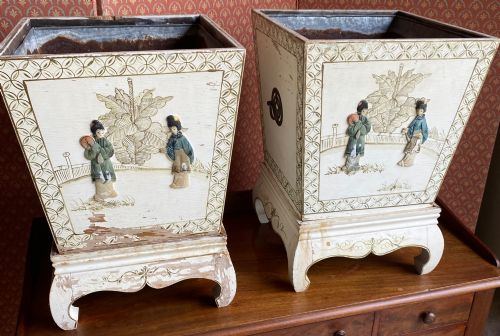
The objects stem predominantly from the Victorian and Edwardian eras, alongside pieces bearing Arts and Crafts, Art Nouveau, or Chinoiserie stylistic influences. Forms include standalone vessels, pedestals, and specialised garden display pots.
Most examples hail from British, French, Belgian, and Asian workshops, utilising materials suited to both domestic interiors and conservatory settings.
Materials and construction
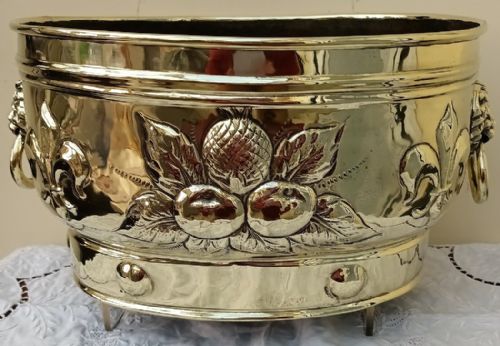
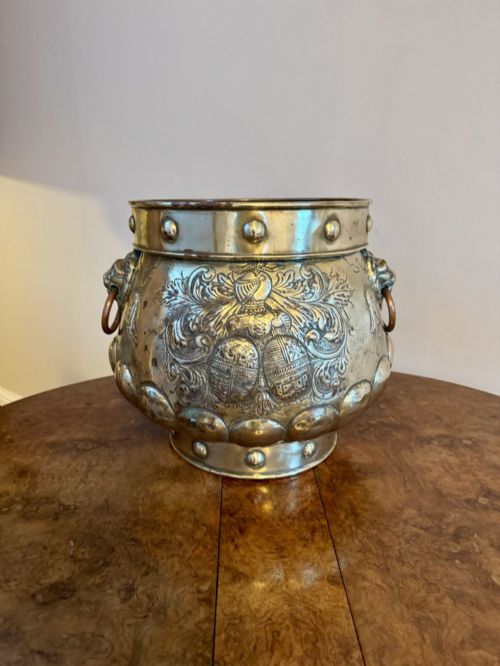
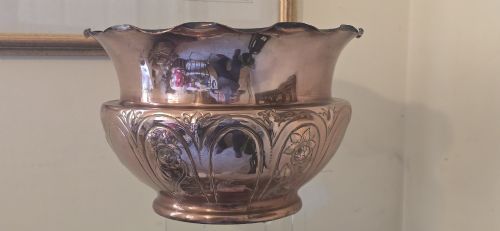
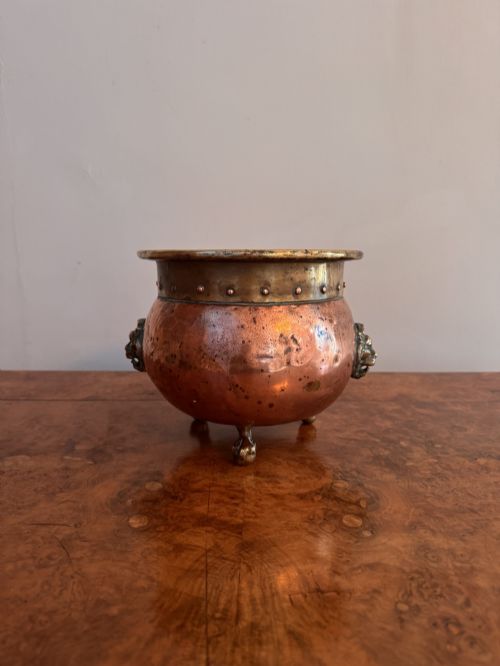
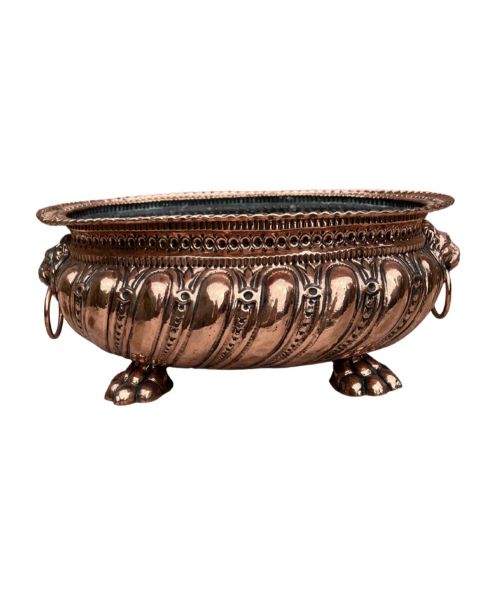
Metalwork vessels rely on hammered or pierced copper and brass, often utilising riveted seams and swing handles. Artisans frequently combined these metals with ceramic bodies or wooden stands.
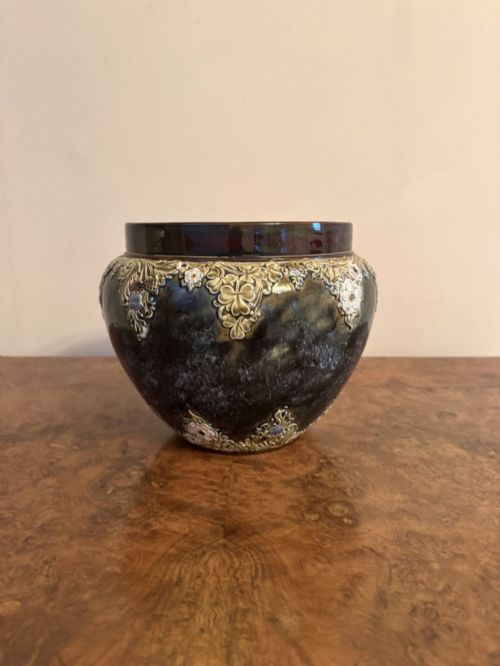
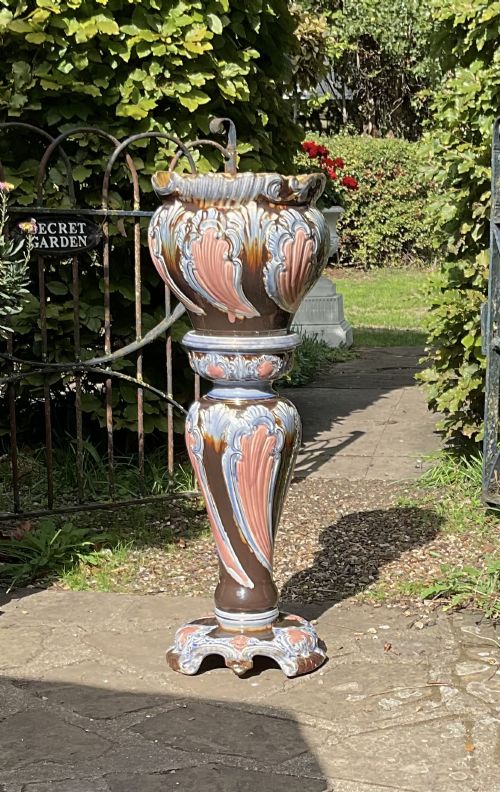
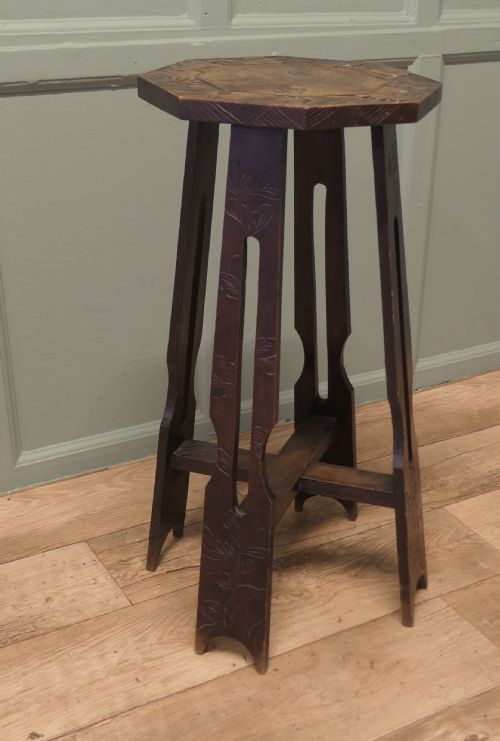
Earthenware, terracotta, and stoneware pieces incorporate thrown or cast clay methods, sometimes finished with glazes, hand-painted details, or intricate majolica work. Cabinetmakers utilised oak, elm, satinwood, and pine for wooden plant stands and potting tables.
Vintage Planting Pots Retail Price Guide 2026
Typical asking prices for vintage planting pots among the pieces listed under this phrase on Sellingantiques today, from the lower quarter to the upper quarter. They describe what is for sale here now, not the wider market.
Listings feature metalwork in copper and brass alongside ceramics, terracotta, and carved woods spanning the nineteenth and early twentieth centuries.
Assessing quality and execution
The distinction between ordinary and superior pieces rests on the crispness of decorative detailing, such as repoussé brass work or hand-carved woodwork. Well-executed examples display balanced proportions and integrated stands matching the primary vessel.
Material depth and surface patination reveal the maturity of a piece, distinguishing mass-produced items from finely handcrafted artisan creations.
Royal Doulton·Doulton Lambeth·Liberty & Co
The Vintage Planting Pots Glossary
- Jardiniere
- An ornamental pot or stand for holding plants or flowers. These vessels sit independently on tabletops or on matching pedestals.
- Campana Urn
- A bell-shaped garden urn originating from classical antiquity. These cast iron or terracotta vessels typically mount upon raised plinths.
- Repoussé
- A metalworking technique where the artisan hammers the design from the reverse side to create low relief. This method appears frequently on brass and copper jardinieres.
- Majolica
- A type of earthenware coated with an opaque tin-glaze and painted with metallic oxide colours. It provides a glossy, colourful finish on Victorian ceramic vessels.
- Champlevé
- An enamelling technique where troughs are carved into a metal surface and filled with vitreous enamel before firing. This adorns decorative bronze and brass items.
Vintage Planting Pots: Frequently Asked Questions
How do I use a jardiniere indoors?
Jardinieres function primarily as decorative cachepots to conceal standard plastic plant pots. Place a saucer inside the vessel to catch drainage water and protect interior surfaces.
Position larger copper or ceramic jardinieres on the floor or upon dedicated plant stands to elevate greenery within a room.
Can I leave terracotta garden urns outside?
Terracotta and cast iron campana urns suit outdoor garden displays, patios, and orangery settings. Their durable composition withstands general weathering in sheltered garden spots.
Move unglazed earthenware indoors during freezing winter months to prevent frost damage and cracking.
What is the difference between a planter and a jardiniere?
A jardiniere typically refers to an ornamental container meant for displaying live plants, frequently paired with a matching pedestal or stand. Planters encompass a broader category that includes utility pots, coal buckets, and garden display vessels.
Both terms often describe similar decorative receptacles used across Victorian and Edwardian interiors.
How do I identify Arts and Crafts planting pots?
Arts and Crafts planting pots display an emphasis on honest materials, typically featuring solid copper, brass, oak, or unglazed earthenware. They rely on hand-hammered surfaces, exposed rivets, and simple geometric forms rather than ornate classical revival motifs.
Matching plant stands from this movement often incorporate pegged joints and unpretentious joinery.