




Vintage Plant Tub
These vintage plant tub vessels bring genuine character to a room or garden, offering sturdy homes for greenery through enduring materials.
Vintage Plant Tub
When you search for a vintage plant tub, you encounter robust planters and jardinieres spanning the nineteenth and twentieth centuries. These vessels serve practical horticulture and interior display, taking forms from simple round pots to heavy display pieces.
The pieces on this page draw from diverse periods including the Victorian era, the nineteen-thirties, and the nineteenth century at large. You meet items rooted in French Country, Arts and Crafts, Edwardian, and Gothic Revival styles.
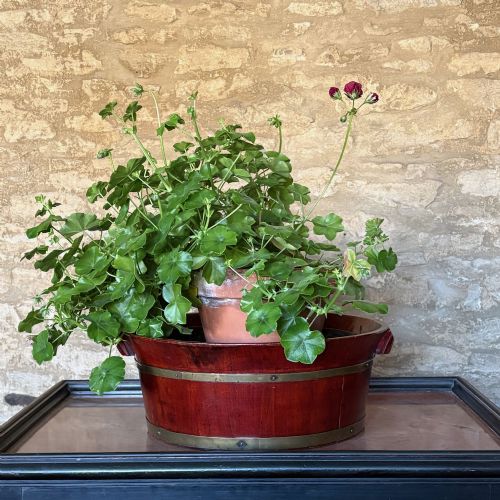
Forms range from large garden planters on claw feet to delicate porcelain jardinieres and mahogany vessels. This variety means you find containers suited equally for grand entranceways and quiet corners.
How they were made
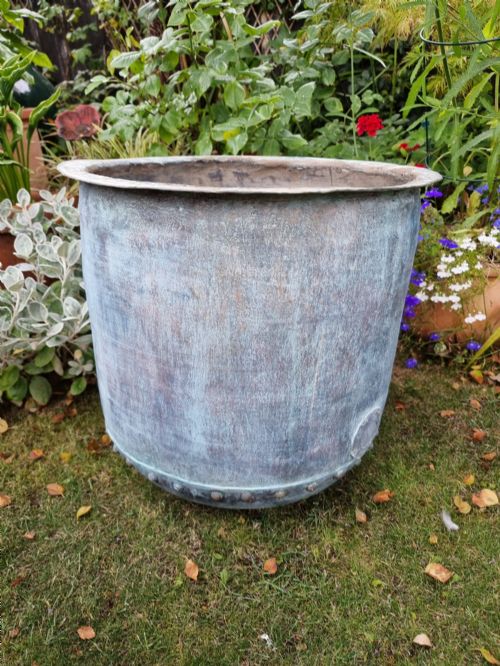
Makers utilised resilient metals such as copper, brass, zinc, and lead to form durable tubs and planters. Hammered copper finishes display visible craftsmanship, while cast lead examples incorporate detailed feet and borders.
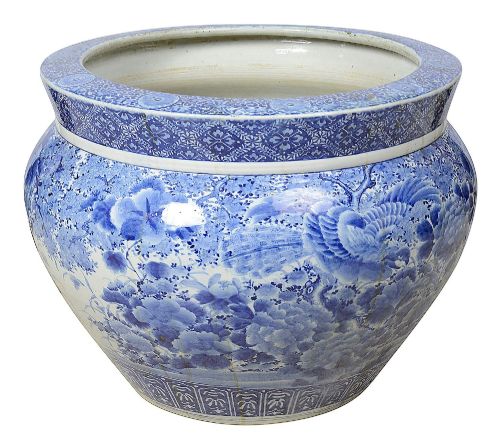
Ceramic and porcelain versions employ cobalt underglaze decoration upon fired clay bodies. Wooden examples utilise traditional joinery, seen in mahogany pieces built with distinct staves or panels.
Vintage Plant Tub Retail Price Guide 2026
Typical asking prices for vintage plant tub among the pieces listed under this phrase on Sellingantiques today, from the lower quarter to the upper quarter. They describe what is for sale here now, not the wider market.
Current listings feature items in copper, brass, zinc, porcelain, ceramic, lead, and wood across Victorian, Edwardian, and Art Nouveau styles.
What varies in quality
The distinction between standard containers and superior vessels lies in the weight and thickness of the material used. Heavier copper, brass, and lead display greater structural integrity and age with a richer patina.
Artistic execution dictates distinction in ceramic and metalwork alike, from hand-hammered detailing to precise underglaze painting on porcelain. Design ambition separates simple pots from substantial Arts and Crafts, Art Nouveau, or Gothic Revival creations.
The Vintage Plant Tub Glossary
- Jardiniere
- An ornamental pot or stand for plants. These freestanding vessels often sit on interior floors or tables.
- Cobalt underglaze
- A blue decoration applied to ceramic pottery before glazing and firing. This technique creates durable patterns that resist fading over decades.
- Zinc
- A bluish-white metal valued for weather resistance. French zinc planters utilise this material for outdoor endurance.
- Meiji Period
- A Japanese historical era spanning from eighteen sixty-eight to nineteen twelve. Pieces from this time demonstrate refined craftsmanship in porcelain and metal.
Vintage Plant Tub: Frequently Asked Questions
What is the difference between a jardiniere and a planter?
A jardiniere traditionally refers to an ornamental vessel designed to hold a potted plant, often displayed indoors on furniture or the floor.
Planters frequently suggest heavier, more utilitarian items meant for direct planting or substantial garden displays.
How do I care for antique metal planters?
Metal vessels in copper, brass, or zinc require gentle cleaning with soft cloths to preserve their natural surface oxidation.
Avoid abrasive cleaners that strip away historical patinas built up over centuries of use.
Can these vintage pots go outside?
Durability depends entirely on the material composition of the specific container. Lead, zinc, and heavy copper withstand outdoor conditions well.
Porcelain and polished mahogany pieces suit indoor environments better to protect against frost and moisture damage.
How can I date a ceramic jardiniere?
Dating relies on examining the glaze characteristics, ceramic body weight, and cobalt underglaze painting styles.
Comparison with documented periods helps narrow down whether a piece originates from the nineteenth century or later.