




Vintage Plant Troughs
These vintage plant troughs bring character to interior rooms and gardens through historic metalwork, timber forms, and decorative stands.
Vintage Plant Troughs
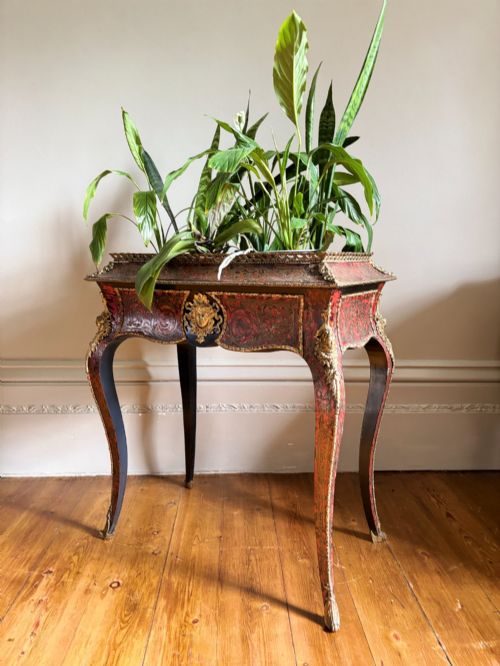
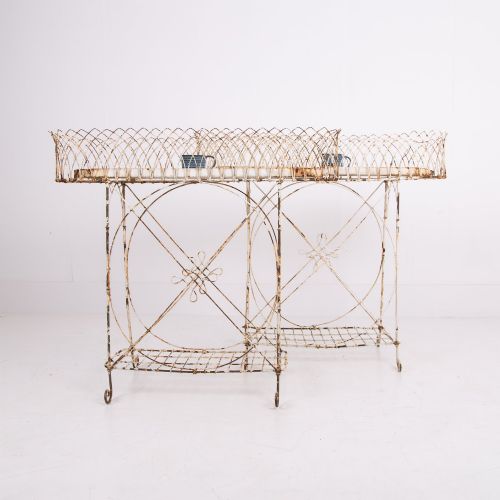
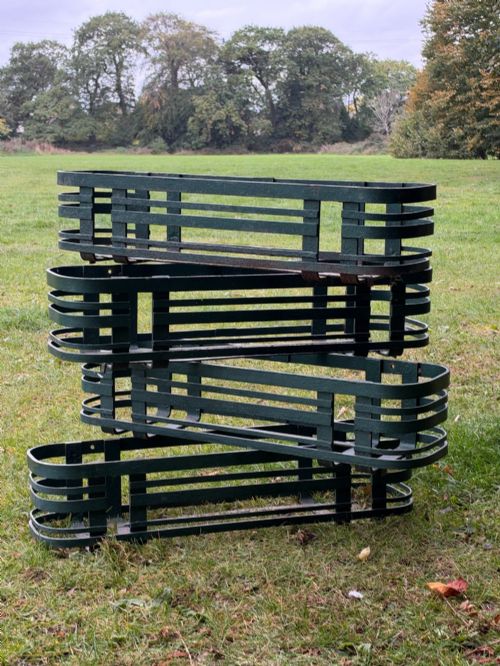
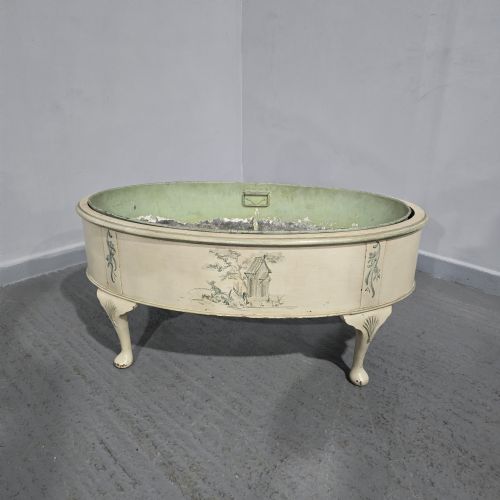
Vintage plant troughs encompass a broad selection of indoor and outdoor vessels, jardinières, and plant stands designed to hold foliage and floral arrangements. Collectors searching for vintage plant troughs will encounter pieces spanning the nineteenth century, the Edwardian era, and the art deco period. Common forms range from heavy copper and brass vessels to wrought iron garden urns, wooden planters, and lead troughs.
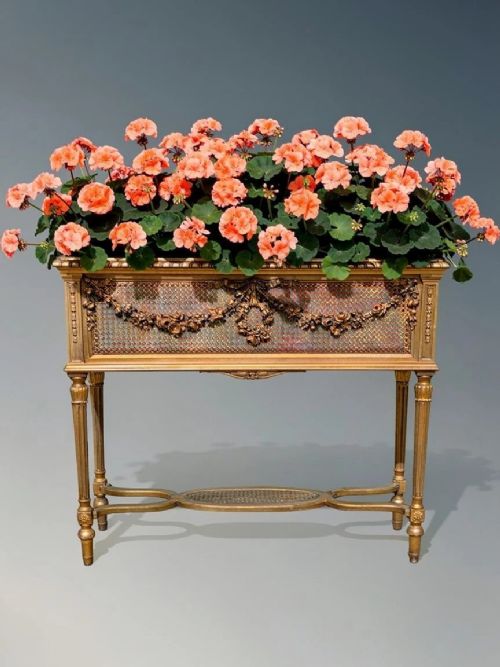
The materials and construction reflect distinct periods of design, from French revival styles with ormolu mounts to rustic painted pine and wirework plant stands. Many examples incorporate decorative liners, repoussé brass details, or ceramic elements. These vessels serve both practical gardening functions and decorative interior purposes.
What varies in quality
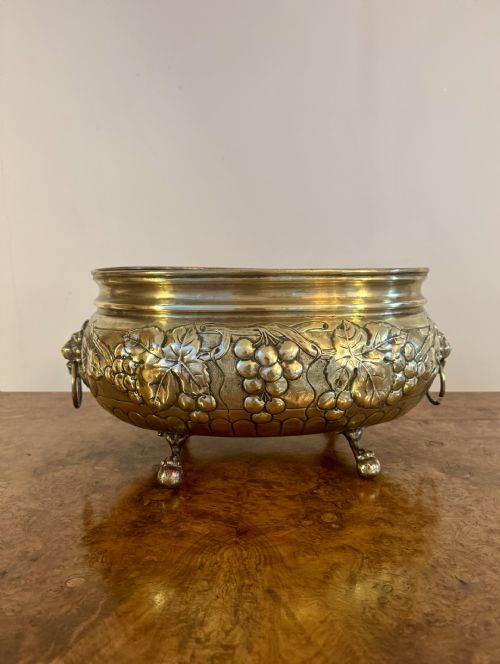
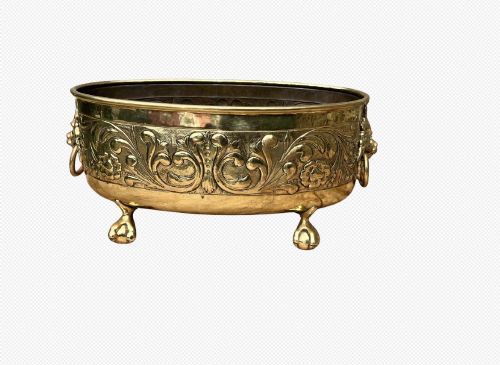
The standard of workmanship shows clearly in the crispness of chased brass repoussé, the precision of cabinet-making on inlaid satinwood stands, and the weight of cast iron or copper vessels. Pieces featuring original gilding, intact porcelain plaques, or high-grade ormolu mounts indicate superior workshop production. Finer examples retain their original internal liners and structural integrity without excessive wear.
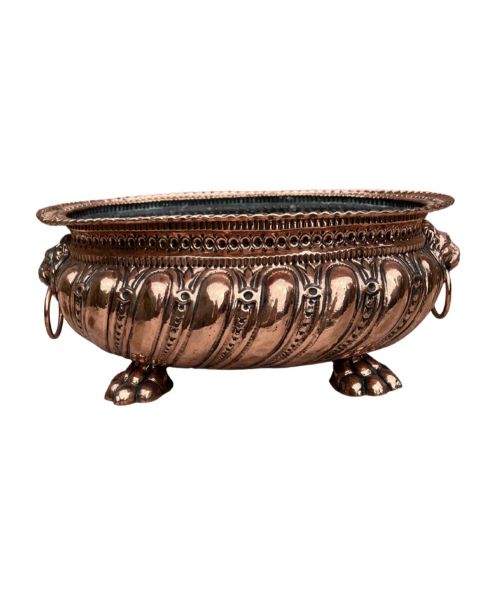
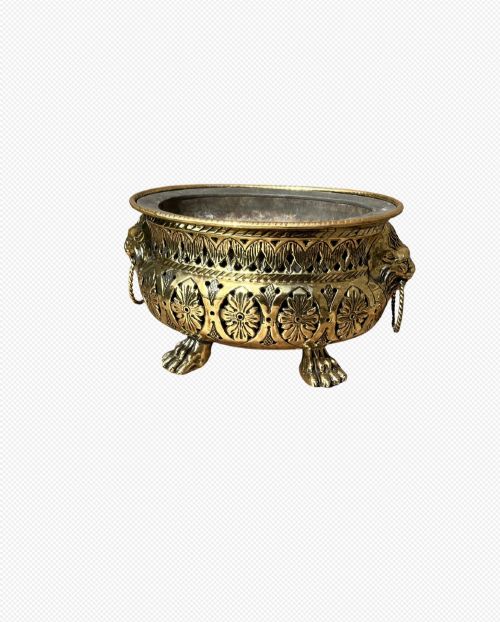
Design complexity and material choice also distinguish the range. Hand-forged wrought iron strapwork and detailed animal head mounts demonstrate artistic ambition beyond standard utilitarian planters. The harmony between decorative mounts and the primary wood or metal body determines the overall visual balance.
Vintage Plant Troughs Retail Price Guide 2026
Typical asking prices for vintage plant troughs among the pieces listed under this phrase on Sellingantiques today, from the lower quarter to the upper quarter. They describe what is for sale here now, not the wider market.
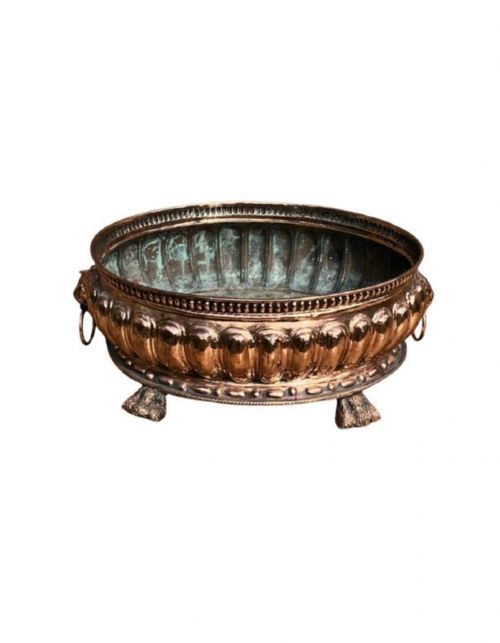
Certain brass planters feature fierce animal heads keeping watch over humble ferns.
Royal Doulton
The Vintage Plant Troughs Glossary
- Jardiniere
- An ornamental pot or stand for holding plants or flowers, usually designed for interior display. These vessels appear in ceramic, metal, and wood.
- Ormolu
- Gilded bronze or brass applied as decorative mounts on furniture and planters. This technique gained prominence in French revival and nineteenth-century pieces.
- Repoussé
- Metalworking technique where the metal is hammered from the reverse side to form a raised design in relief. It is frequently seen on brass and copper jardinières.
- Strapwork
- Ornamental work consisting of flat, intertwined bands resembling leather straps. This pattern often appears on iron garden baskets and planters.
- Planter stand
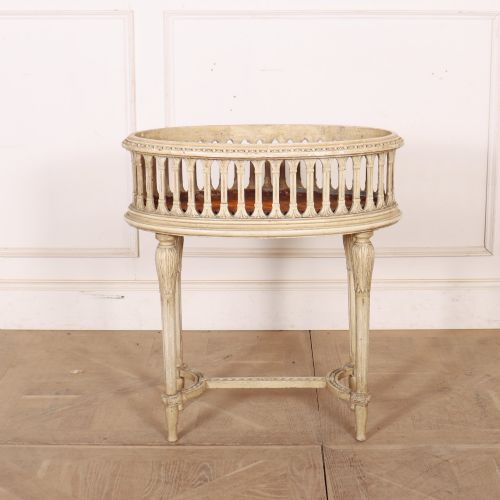
- A raised support or pedestal elevating a plant trough off the ground. These take the form of wooden tables, metal frames, or tripod legs.
Vintage Plant Troughs: Frequently Asked Questions
What is a jardiniere?
A jardiniere is an ornamental container designed to hold plants or flowers, functioning as a decorative vessel for indoor spaces.
Unlike standard garden pots, these pieces often feature decorative elements such as metal mounts, inlay, or repoussé work intended to complement interior furnishings.
How were antique plant troughs used?
These troughs served to display potted plants and floral arrangements within domestic rooms, conservatories, and garden spaces.
Many interior versions included removable metal liners to protect wooden or gilded stands from water damage during watering.
Are these troughs suitable for outdoors?
Suitability depends entirely on the material and construction of the specific piece. Zinc, cast iron, lead, and wrought iron variations withstand outdoor garden conditions.
Conversely, delicate wood, giltwood, and fine brass items with ormolu mounts are intended strictly for indoor display.
How do I identify the period?
Period identification relies on examining the materials, decorative style, and construction methods characteristic of specific eras. Nineteenth-century pieces often display heavy brass repoussé or ormolu mounts, while later items reflect Edwardian or art deco design sensibilities.