

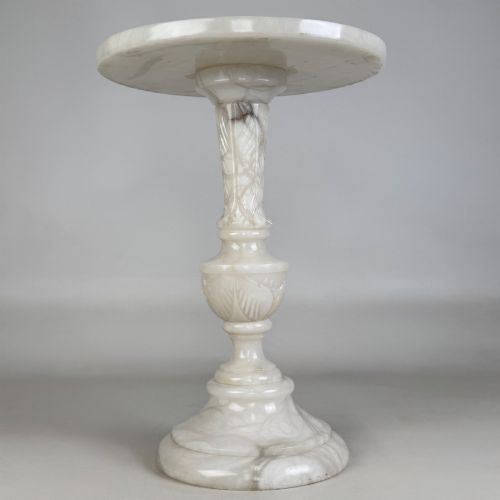


Vintage Plant Pillar
A vintage plant pillar elevates greenery and sculpture, bringing classical line and architectural presence straight into a room.
Vintage Plant Pillar
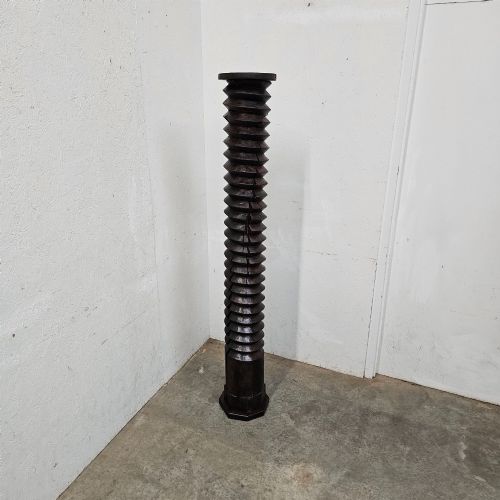
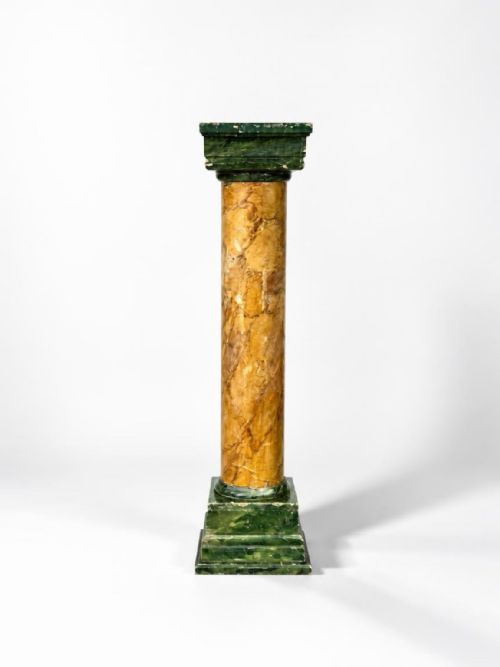
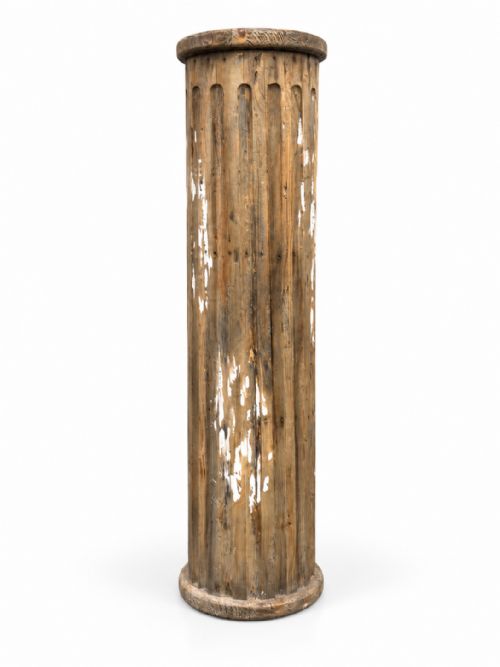
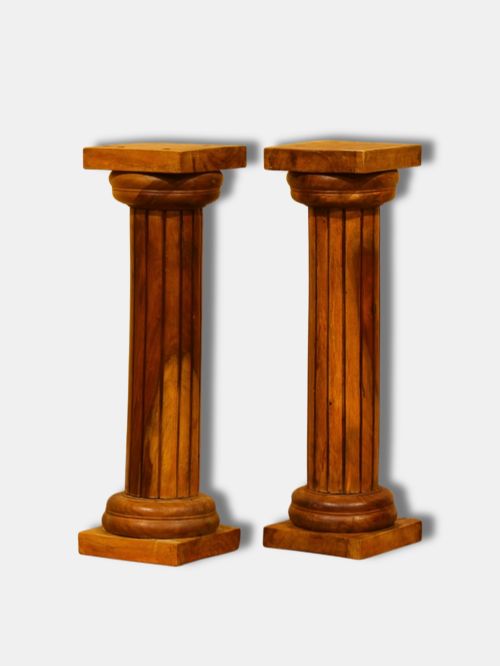
A vintage plant pillar stands as a column, pedestal, or torchiere designed to raise urns, ceramics, and sculpture above floor level. Buyers searching for a vintage plant pillar encounter sturdy columns and stands intended to display decorative objects or foliage.
The selections span the Victorian era, the Edwardian period, and the 1920s and 1930s, incorporating styles from the neoclassical revival to art deco. Common forms include carved wood columns, marble shafts, and painted plaster pedestals.
Origins stretch from French workshops to British potteries, encompassing architectural salvage as well as domestic decorative pieces. Most examples function as plant stands, side tables, or display columns.
Materials and construction
Plaster and paint appear on architectural columns and pedestals, often finished to imitate stone or metal. Joinery ranges from simple turned wood shafts to complex carved capitals and secret compartments.
Vintage Plant Pillar Retail Price Guide 2026
Typical asking prices for vintage plant pillar among the pieces listed under this phrase on Sellingantiques today, from the lower quarter to the upper quarter. They describe what is for sale here now, not the wider market.
Listings feature items dated across the nineteenth century, the Edwardian period, and the 1920s and 1930s.
Evaluating quality and execution
Quality rests in the crispness of the carving, the selection of the timber grain, and the choice of stone. Superior pieces display finely detailed neoclassical capitals and well-matched veneers rather than plain, repetitive turning.
Weight and stability indicate proper construction, particularly in marble and alabaster columns where structural integrity matters for holding heavy jardinieres.
Woodlesford Art Pottery
The Vintage Plant Pillar Glossary
- Torchiere
- A tall stand or floor lamp designed to hold a light or a decorative urn at an elevated height. These pieces often feature slender columns and decorative bases.
- Neoclassical
- A style reviving classical Greek and Roman motifs, frequently seen in the fluted columns and carved capitals of these pedestals. It emphasises symmetry and restraint.
- Arabescato marble
- A white Italian marble characterised by dark grey and black veining, providing strong natural patterning to columns and side tables. It offers a cool, polished surface.
- Jardiniere
- An ornamental pot or stand for holding plants or flowers, often paired directly with matching ceramic or pottery pedestals. They sit atop columns to create a focal point.
- Alabaster
- A fine-grained, translucent stone used for carving decorative plant stands and vessels. Its softness allows for delicate, smooth surface detailing.
Vintage Plant Pillar: Frequently Asked Questions
What is a vintage plant pillar used for?
These pieces serve primarily to elevate potted plants, urns, and sculptures off the floor, drawing the eye upward and creating vertical interest in an interior. They act as functional furniture and decorative art pieces alike.
Historically, they occupied corners and hallways of grand homes to display prized botanical specimens or classical ornaments in prominent sightlines.
How do I style a column indoors?
Place a single column in an empty corner to break up plain walls, or use a matching pair to frame a doorway, fireplace, or large window. They work best when topped with trailing foliage, a heavy ceramic bowl, or a bust.
Keep the surrounding space relatively clear so the architectural lines of the wood, stone, or plaster remain fully visible.
Are stone pedestals heavy?
Marble, alabaster, and red stone columns carry substantial weight due to their solid mineral composition. This heaviness gives them natural stability when supporting heavy items on top.
Care should be taken when positioning them on delicate flooring to ensure the base distributes the weight evenly.
How do I date a wooden pedestal?
Dating relies on observing the timber species, finish, and stylistic revival cues such as Victorian turnings or Art Deco geometric veneers. Finer details like hand-carving or French polish finishes often point towards earlier craftsmanship.
Comparing the decorative motifs, such as neoclassical fluting or Edwardian edgework, helps place the piece within its specific decade.