




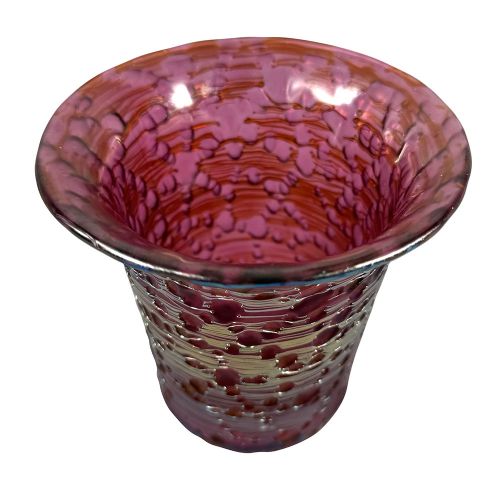


Vintage Pink Vase
A vintage pink vase brings soft colour and character into a room, spanning delicate Victorian glass to bold Art Deco designs.
Vintage Pink Vase
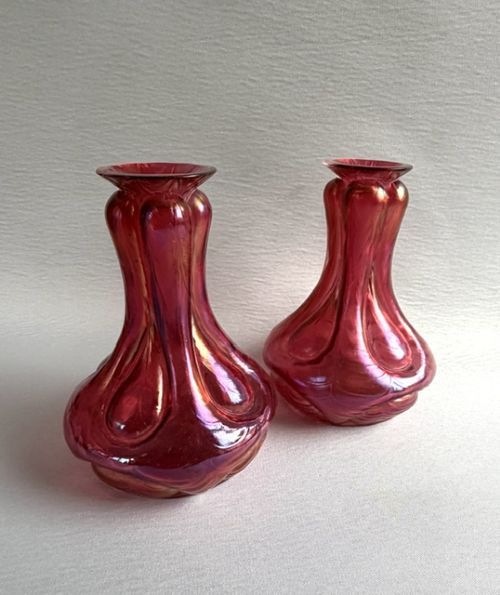
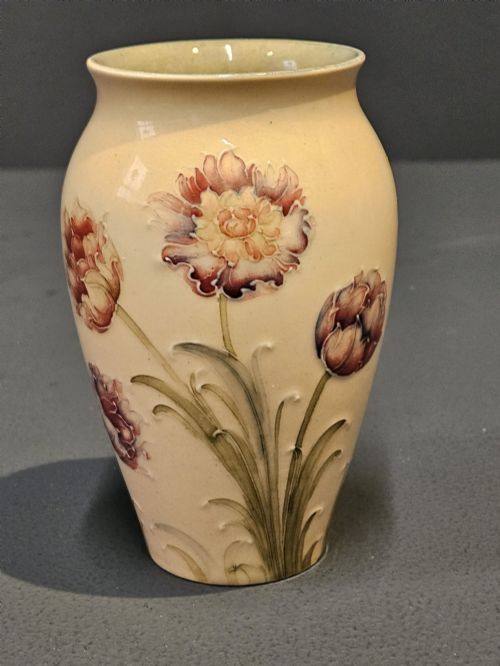
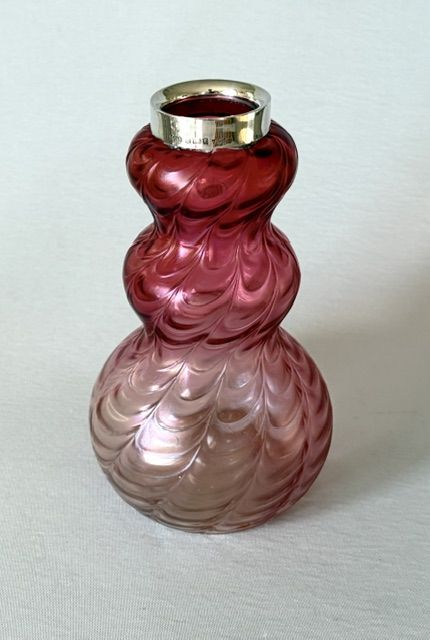
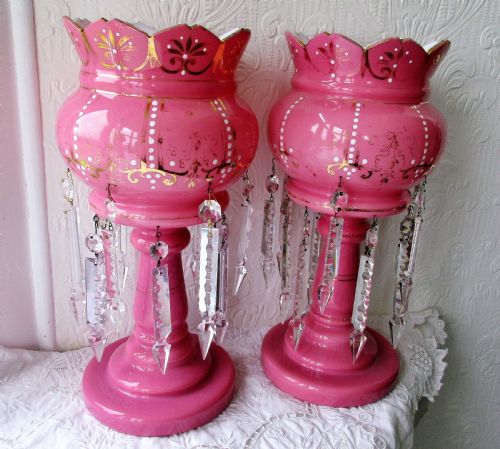
A vintage pink vase draws the eye with varied shades ranging from subtle blush to deep rose across multiple decorative traditions. Buyers seeking a vintage pink vase encounter diverse forms including glass lustres, moulded glass, and hand-painted porcelain. The selection spans styles from the nineteenth century through the mid-century modern era, reflecting changing domestic tastes.
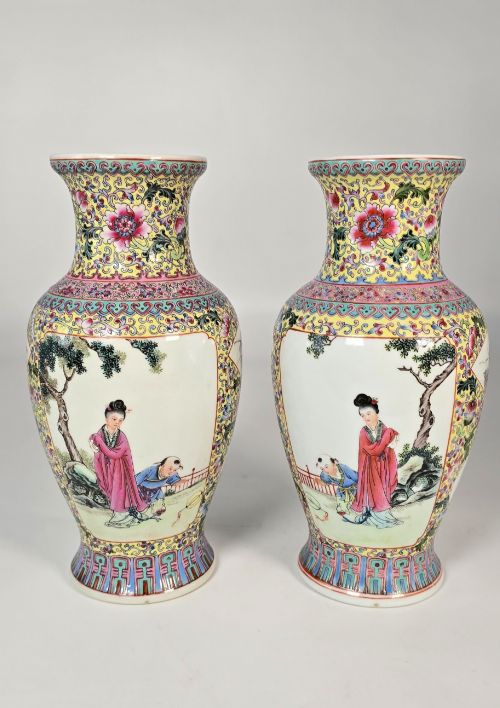
Makers from Britain, Bohemia, Hungary, and China contributed notable examples to this category. Pieces vary from simple pressed glass vessels to intricate famille rose porcelain and iridescent art glass creations. Each period brought distinct techniques to the surface treatment of these pink vessels.
Materials and production methods
Glassmakers utilised casing and overlay techniques, fusing layers of pink and clear glass together before cutting or etching the outer surface. Ceramic pieces combined porcelain bodies with hand-painted enamel decoration, sometimes enhanced with gilt details fired in kilns.
Metal oxides added to molten glass batch mixtures created the characteristic pink hues seen in Bohemian and British production. Potters relied on precise temperature control during firing to achieve stable pink enamel tones on porcelain surfaces.
Vintage Pink Vase Retail Price Guide 2026
Typical asking prices for vintage pink vase among the pieces listed under this phrase on Sellingantiques today, from the lower quarter to the upper quarter. They describe what is for sale here now, not the wider market.
Materials represented in the selection include pressed and cameo glass, hand-painted porcelain, and cloisonne enamel.
Assessing craftsmanship and finish
Quality shows in the crispness of moulded details and the steady hand evident in painted or gilt ornamentation. Superior glass pieces display even colour distribution and careful polishing at the pontil mark, avoiding cloudiness in the material.
The sophistication of the design execution separates standard commercial production from exceptional studio or factory output. Weight, balance, and the harmonious integration of form and colour indicate the maker's level of skill.
Zsolnay Pecs·Libochovice·Thomas Webb and Sons·Tamura Yukio·Royal Worcester
The Vintage Pink Vase Glossary
- Lustre
- A type of ceramic or glass finish that produces an iridescent metallic sheen when fired in a reduced oxygen atmosphere. This technique creates shimmering surface reflections that change colour according to the light.
- Famille Rose
- A major palette of Chinese ceramic enamels introduced during the Qing dynasty, dominated by opaque pink. The name derives from the predominant rose colour mixed from colloidal gold.
- Cameo glass
- An ancient technique revived in the nineteenth century involving multiple layers of coloured glass fused together. Artisans carved away the outer layers to create raised white designs against a contrasting background.
- Enamel
- A decorative glass paste applied to metal, ceramic, or glass surfaces and fused by firing. It provides durable colour and glossy detail to the body of the vase.
- Pontil mark
- The rough scar left on the base of blown glass where the pontil rod was attached during manufacture. Skilled finishers often ground and polished this area smooth.
Vintage Pink Vase: Frequently Asked Questions
How do I clean an antique glass vase?
Wash the glass gently in lukewarm water using a mild, non-abrasive detergent and a soft cloth. Avoid submerging pieces with applied metallic leaf or delicate cold-painted decoration.
Dry the vessel thoroughly with a lint-free towel rather than leaving it to air dry, which can leave mineral spots on the surface.
Can I display fresh flowers in these vases?
Many vintage glass and porcelain vessels hold water safely, but porous bodies or antique cements require caution. Check the interior for hairline cracks or old repairs before filling.
Use a plastic insert or place a small glass container inside fragile or historically significant pieces to protect the original material.
How do I identify the period of a pink glass vase?
Examine the base for pontil marks, mould seams, and wear patterns that indicate the manufacturing era. Victorian pieces often feature heavy hand-painted enamel, while Art Deco items display geometric moulds.
Researching registered design numbers or factory marks stamped into the ceramic or glass base provides a reliable dating guide.
Where should I place a pink vase in a room?
Position the vase where natural daylight passes through the glass to highlight its colour and transparency. Placing coloured glass on a windowsill or near a lamp creates vibrant light reflections.
Pair porcelain examples with neutral backgrounds to let the hand-painted floral motifs and pink tones stand out without visual clutter.