






Vintage Pine Work Desk
These vintage pine work desk pieces offer practical surfaces built from sturdy timber, bringing honest utility and character to any room.
Vintage Pine Work Desk
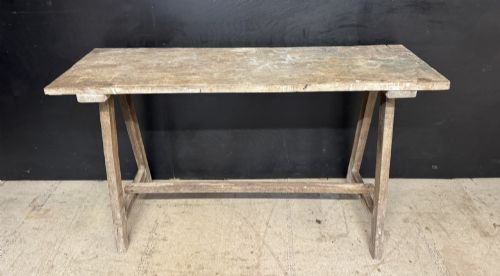
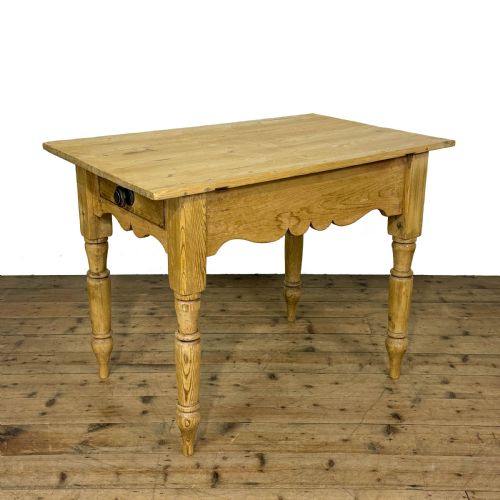
When you search for a vintage pine work desk, you encounter utilitarian tables and benches originating from domestic, workshop, and school settings spanning the nineteenth and early twentieth centuries. The selection includes kitchen tables, drapers tables, servers, and trestle designs rooted in rustic farmhouse, industrial, and Scandinavian country styles.
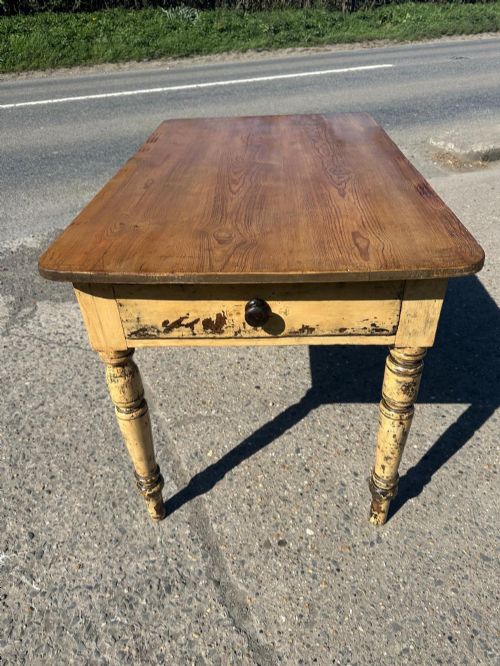
Most examples hail from Victorian and early twentieth-century periods, showing straightforward forms designed primarily for active workspace use. You meet pieces featuring original painted finishes alongside bare timber surfaces that display the marks of decades of labour.
Materials and construction
Construction relies heavily on solid pine and other woods, frequently paired with iron and cast iron components such as trestle frames and heavy braces. Many surfaces show the application of traditional treatments including Falu paint and decorative painted legs.
Makers built these pieces for endurance rather than display, utilising robust joinery and heavy timbers to withstand daily tasks in kitchens, dairies, and workshops. The combination of timber tops and iron or wood supports defines the structural integrity of the era.
Vintage Pine Work Desk Retail Price Guide 2026
Typical asking prices for vintage pine work desk among the pieces listed under this phrase on Sellingantiques today, from the lower quarter to the upper quarter. They describe what is for sale here now, not the wider market.
The listings span the nineteenth century and the early twentieth century, featuring materials such as pine, iron, and Falu paint.
Assessing quality and character
Quality rests in the integrity of the original timber and the retention of authentic painted finishes, such as original Falu paint or distressed green surfaces. Tables displaying genuine wear from their working past hold greater visual honesty than those with contrived finishes.
Structural robustness separates utilitarian pieces built with heavy cast iron and thick pine tops from lighter domestic variants. The balance of proportion, untouched patination, and the clarity of regional styles dictate the distinction between standard items and exceptional survivals.
The Vintage Pine Work Desk Glossary
- Pine
- A softwood commonly utilised for furniture construction across the nineteenth and twentieth centuries, valued for its workability and availability. It forms the primary body of these utilitarian tables.
- Trestle
- A structural support consisting of a horizontal beam supported by two pairs of sloping legs, frequently seen in heavy work tables and industrial designs. This framework provides stability without obstructing legroom.
- Falu Paint
- A traditional red or dark earth paint originating in Sweden, traditionally used on timber buildings and furniture for its protective qualities. It leaves a distinct matte finish.
- Cobblers Bench
- A specialised low workbench fitted with compartments and tool holders, utilised by traditional shoemakers for hand-crafting footwear. These benches survive as characterful low tables.
Vintage Pine Work Desk: Frequently Asked Questions
How were these work desks originally used?
These tables served demanding functional roles in kitchens, workshops, schools, and dairies where sturdy surfaces were essential for daily labour.
They supported food preparation, tailoring, teaching, and industrial tasks rather than formal entertaining.
Can I use a vintage work desk for writing?
Many examples, including school teacher tables and drapers tables, provide comfortable heights and ample surface area suitable for writing or computer work.
Their robust construction easily accommodates modern daily office tasks while adding distinct historic character.
How do I date a pine work table?
Dating relies on examining construction methods, nail types, timber wear, and whether iron or cast iron components were utilised in the frame.
Specific regional styles like Scandinavian painted pieces or Victorian industrial trestles also point to particular decades between the mid-nineteenth and early twentieth centuries.
How should I maintain a painted pine surface?
Preserve original painted finishes by dusting gently with a dry cloth and avoiding harsh chemical cleaners that strip historic pigments.
Keeping the timber away from direct heat sources prevents the wood from drying out and protects the authentic patination.