



Vintage Pine Filing Cabinet
These vintage pine filing cabinet pieces offer practical storage with honest utility, uniting sturdy wood and functional drawers for everyday workspace organisation.
Vintage Pine Filing Cabinet
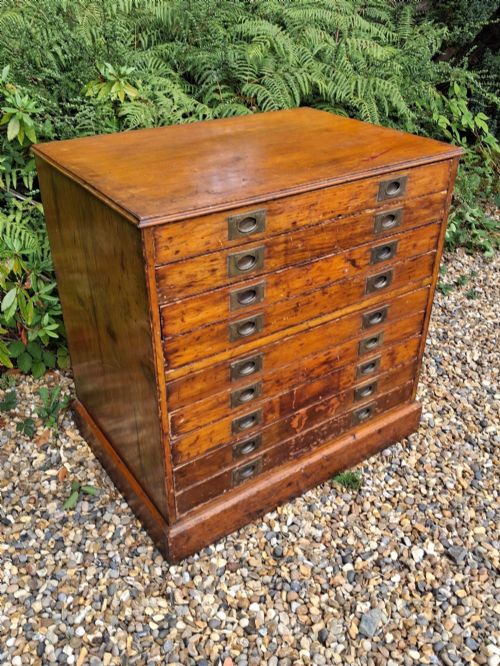
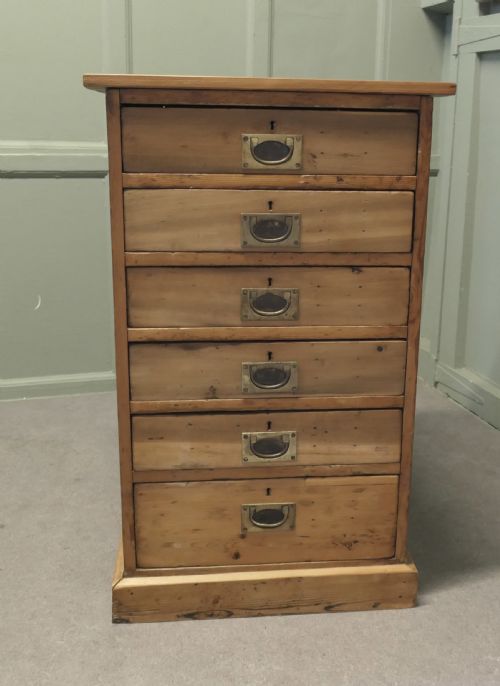
A vintage pine filing cabinet provides sturdy drawer storage for documents and everyday office materials, built in practical forms like banks of drawers and shallow filing units. These pieces range from substantial 19th Century and Victorian workshops to 1920 office furniture and mid-century utility designs.
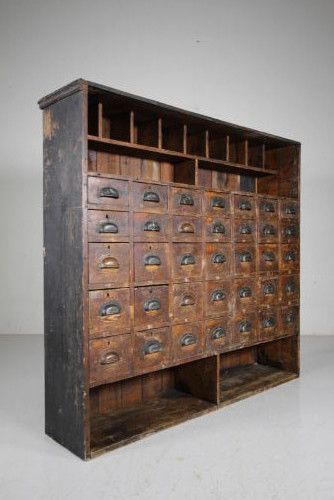
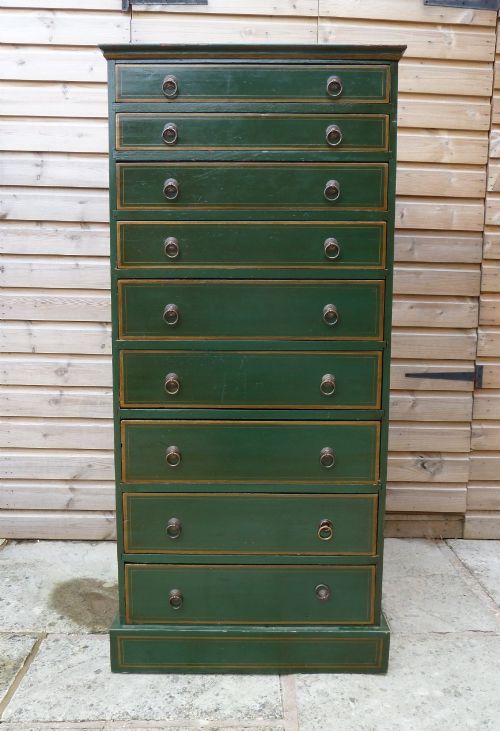
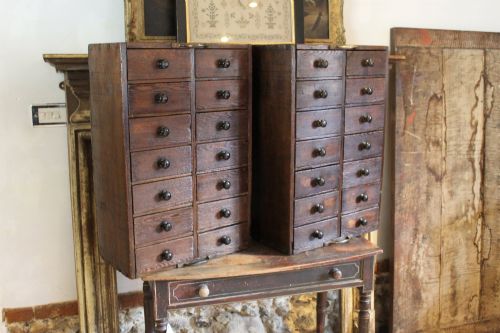
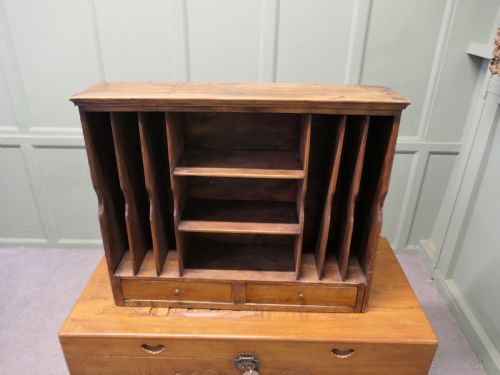
Buyers meet variations spanning French post office filing shelves, Arts and Crafts collectors cabinets, and industrial utility chests. The form adapts across eras from deep office chests to watchmakers tall banks of drawers.
Origins stretch across English workshops, Edwardian offices, and French country interiors, showing how utilitarian storage crossed borders. Pine construction dominates, supplemented by painted office chests and paired Victorian drawer units.
How they were made
Carpenters constructed these cabinets primarily in solid pine, sometimes applying paint to office chests for functional workplace durability. The timber gives each piece a robust structure designed for heavy daily use.
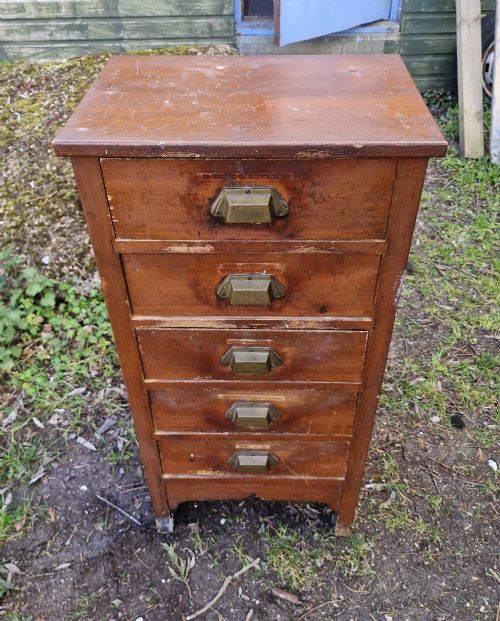
Makers integrated metal elements such as iron and cast iron alongside traditional wood joinery to handle the weight of filed documents and hardware. Brass handles from the period complete the drawer fronts, offering a secure grip.
Vintage Pine Filing Cabinet Retail Price Guide 2026
Typical asking prices for vintage pine filing cabinet among the pieces listed under this phrase on Sellingantiques today, from the lower quarter to the upper quarter. They describe what is for sale here now, not the wider market.
Listings span the 19th Century, Victorian period, Edwardian era, 1920, and 1960, using pine, brass, iron, and wood.
What varies in quality
Quality rests on the integrity of the pine construction and the retention of original period hardware like brass handles. Pieces displaying careful proportion across shallow filing drawers or tall banks hold distinct advantages over basic utility boxes.
The sophistication of the style, whether Arts and Crafts detailing or straightforward Victorian industrial utility, dictates the refinement of the piece. Finish preservation, from natural wood grain to honest old paint layers, defines the character of each cabinet.
The Vintage Pine Filing Cabinet Glossary
- Bank of drawers
- An assemblage of multiple shallow or deep drawers stacked vertically or horizontally for sorting documents and small items. This form appears frequently in watchmakers units and office filing systems.
- Collectors cabinet
- A specialised storage piece featuring numerous small compartments or shallow drawers originally intended for specimens or delicate items. Arts and Crafts examples combine this compartmentalized layout with pine construction.
- Industrial utility
- A functional design philosophy prioritising plain durability and practicality over ornament, common in office and postal furniture. Pieces from this tradition focus entirely on workplace efficiency.
- Shallow drawers
- Low-profile compartments designed to hold papers flat without wasting vertical space inside office cabinets. They allow rapid sorting in postal and administrative environments.
Vintage Pine Filing Cabinet: Frequently Asked Questions
How do I date a pine filing cabinet?
Dating relies on examining construction methods, timber characteristics, and associated hardware styles like brass pulls. Pieces often carry stylistic markers from Victorian, Edwardian, or mid-century periods.
Compare the drawer joints and overall proportions against known eras such as the 19th Century or 1920 to narrow down the origin.
Were these cabinets made for offices?
Many were built specifically for administrative environments, ranging from French post offices to English commercial offices. Their drawer configurations accommodated paperwork, ledgers, and office supplies.
Others served specialised trades, functioning as watchmakers banks or collectors cabinets before entering general workspace use.
What woods besides pine appear?
Pine serves as the primary structural timber across these listings, occasionally finished with painted surfaces on office chests. Iron, cast iron, and brass appear as supplementary materials for handles and internal framework.
Wood choice remained utilitarian, focusing on durability and straightforward construction rather than decorative veneers.
How do I fit one into a modern room?
These cabinets provide high-capacity document storage while maintaining a warm wooden aesthetic that complements contemporary or traditional workspaces. Their compact footprints allow placement beside desks or inside studies.
Use shallow drawer units for stationery storage or taller banks of drawers to organise paperwork efficiently.