






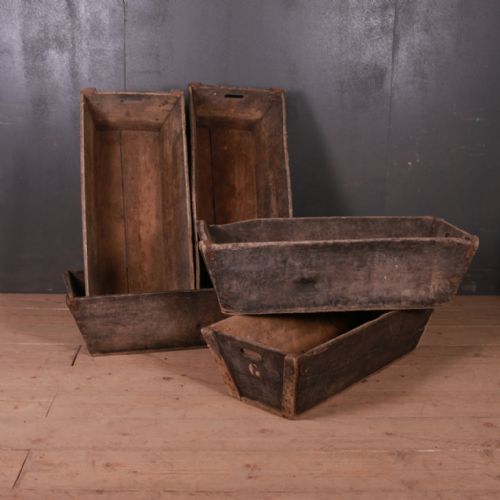
Vintage Pine Basket
A vintage pine basket brings enduring utility and rustic warmth to domestic spaces through honest, time-tested craftsmanship.
Vintage Pine Basket
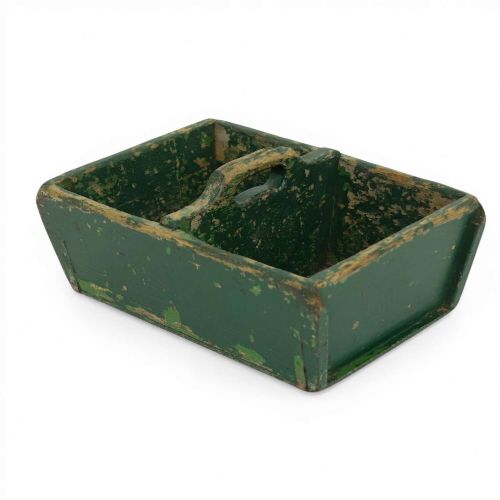
A vintage pine basket encompasses a diverse array of utilitarian storage vessels, garden trugs, and woven containers spanning the nineteenth and early twentieth centuries. Pieces associated with this phrase display robust construction intended for heavy daily tasks such as gathering logs, fruit harvesting, or household storage.
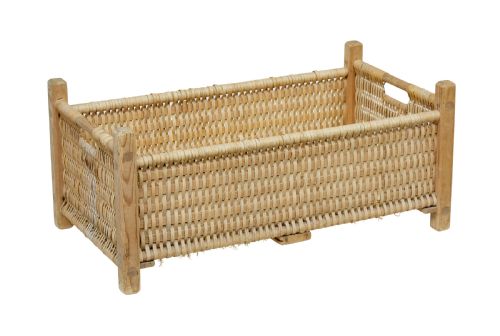
Regional origins strongly influence the appearance of these items, with Scandinavian country styles and Welsh vernacular designs predominating. Buyers frequently encounter hand-woven structures alongside larger storage barrels, garden trugs, and tiered stands fashioned from timber.
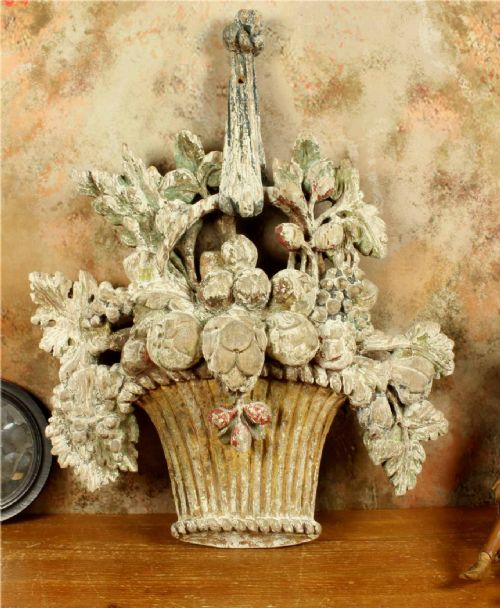
The aesthetic bridges industrial utility and rustic farmhouse charm, making these objects adaptable for modern interiors. Whether utilised as a log bin, wall relief wood carving, or simple storage vessel, each object reflects practical historical needs.
How they were made
Makers utilised pine and various softwoods alongside iron, steel, and metal components to ensure structural integrity. Hand-weaving techniques combined flexible wood splints with solid timber bases and frames.
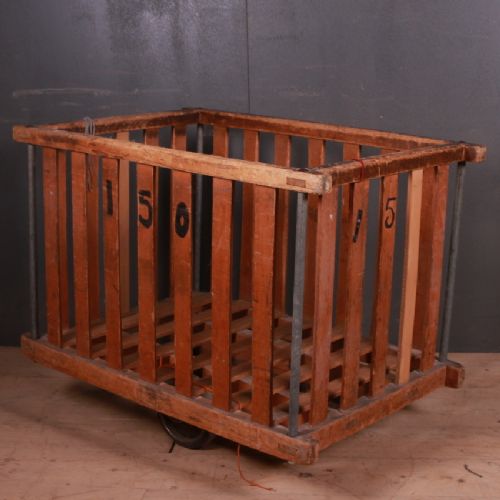
Workmanship relied on utilitarian methods rather than delicate ornamentation, resulting in sturdy joints and reinforced rims. Iron and steel fixings often secured high-stress areas on large storage barrels and log trolleys.
Vintage Pine Basket Retail Price Guide 2026
Typical asking prices for vintage pine basket among the pieces listed under this phrase on Sellingantiques today, from the lower quarter to the upper quarter. They describe what is for sale here now, not the wider market.
Some nineteenth-century French grape bins enjoyed a glamorous retirement hauling firewood instead of vintage juice.
What varies in quality
Construction robustness separates everyday utility items from finer artisan examples. Dense hand-weaving and thoughtful timber selection indicate superior initial fabrication by regional makers.
The survival of original metal fastenings and uncompromised structural shape preserves the historical integrity of each basket. Patina accumulated through decades of outdoor or domestic service contributes to the visual depth of the wood.
The Vintage Pine Basket Glossary
- Pine
- A common softwood timber utilised for structural framing and woven elements due to its workability and availability. It patinates deeply over decades of handling and exposure.
- Trug
- A shallow garden basket traditionally employed for gathering fruit, vegetables, or cut flowers. Historical examples often incorporate steam-bent wood and sturdy carrying rims.
- Vernacular
- Architecture or craft shaped by local needs and traditional techniques rather than academic styles. Welsh vernacular pieces demonstrate regional preferences in material selection and construction.
- Splint
- A thin strip of wood peeled or split from a log for basketry weaving. These flexible elements form the body of hand-woven containers.
Vintage Pine Basket: Frequently Asked Questions
How do I clean a pine basket?
Dust the woven surfaces gently using a soft-bristled brush to remove accumulated debris without damaging the timber.
Avoid soaking the wood in water, wiping instead with a barely damp cloth when necessary to preserve the historical surface.
Can I use these for logs?
Many sturdy nineteenth-century vessels and log bins were specifically designed for heavy material handling like firewood storage.
Ensure the base and internal structure remain sound before loading heavy timber items inside.
Where were these made?
Surviving examples originate primarily from Scandinavian workshops, Welsh rural communities, and English country settings.
Local timber availability and domestic agricultural needs dictated the specific forms produced in each region.
How old are these baskets?
The pieces span the nineteenth century through the early twentieth century, encompassing Victorian and Edwardian periods.
Construction details and regional styles help situate each item within this broad historical timeline.