
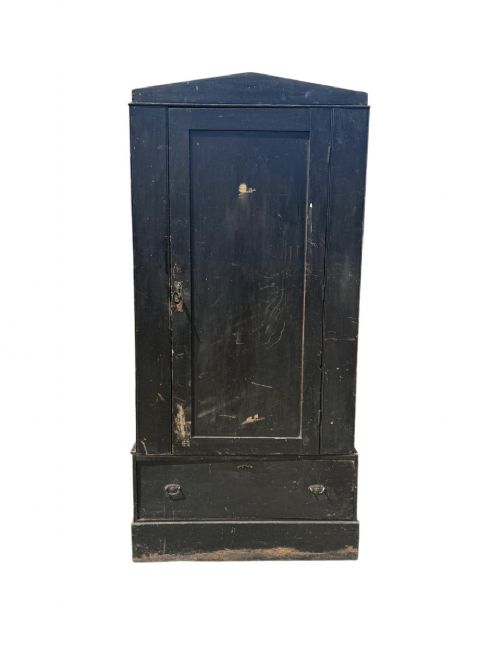
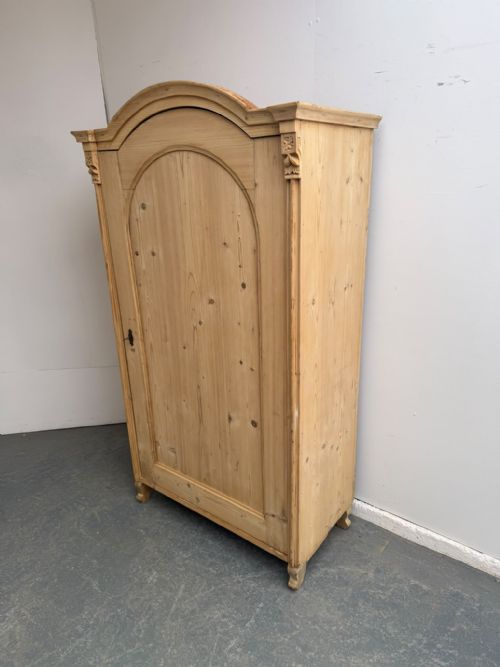
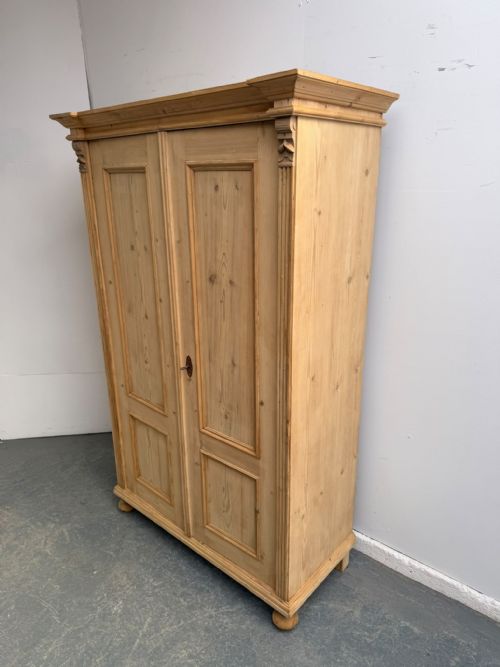
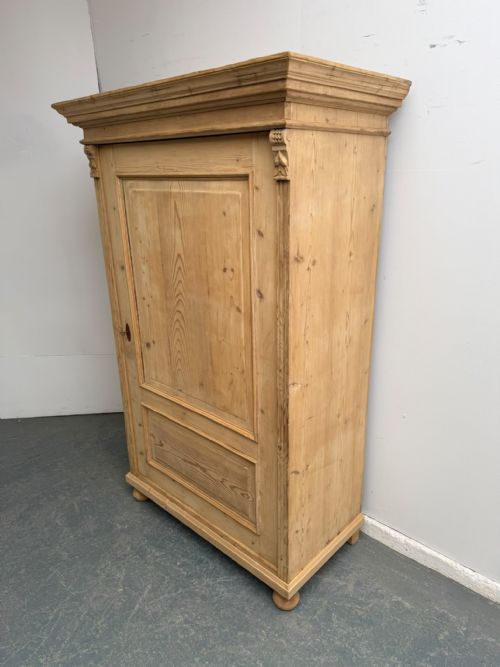
Vintage Pine Armoire Cabinet
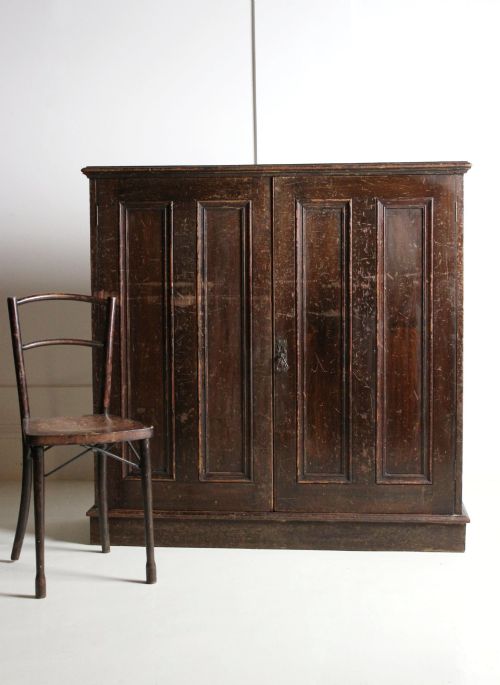
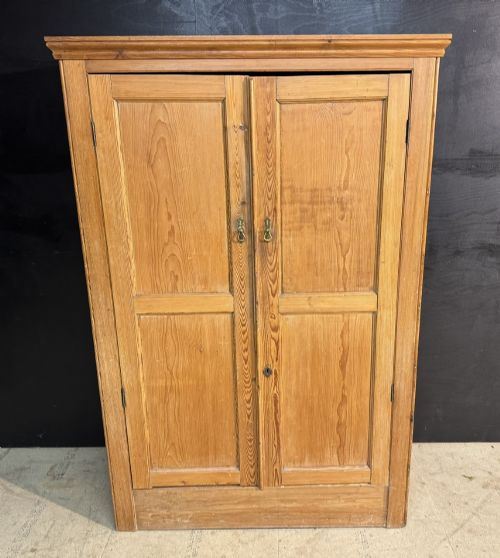
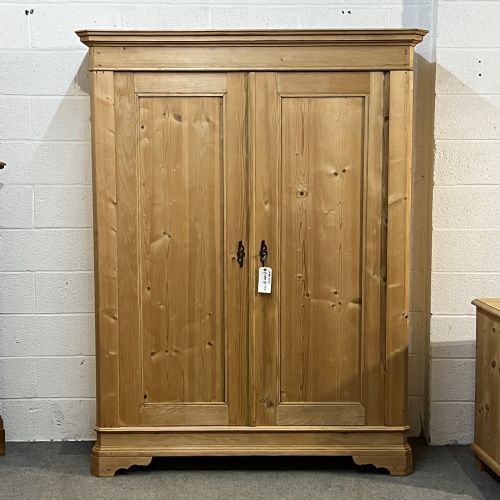
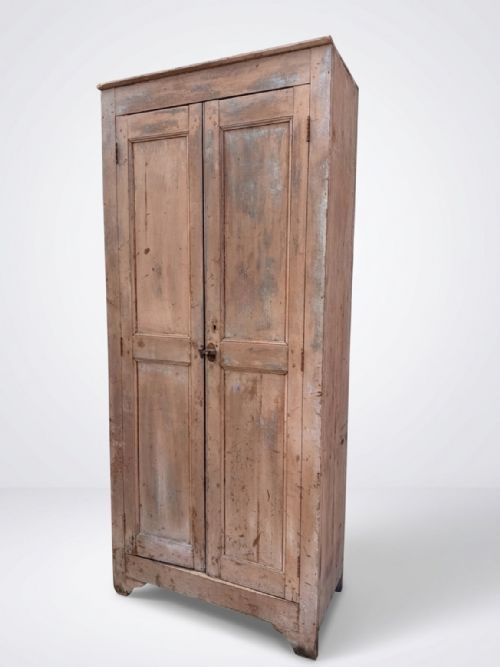
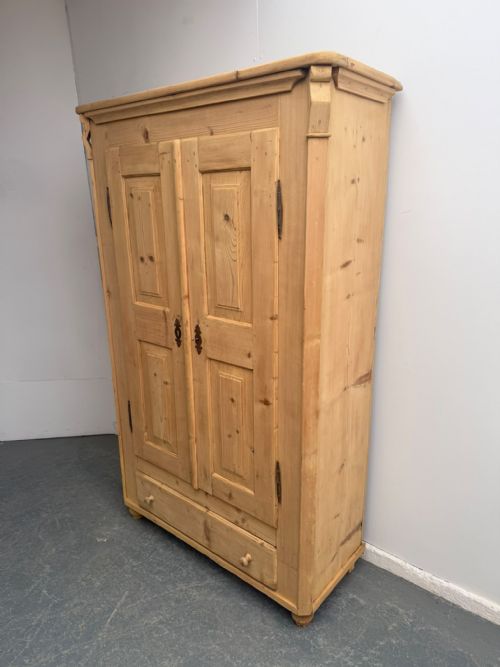
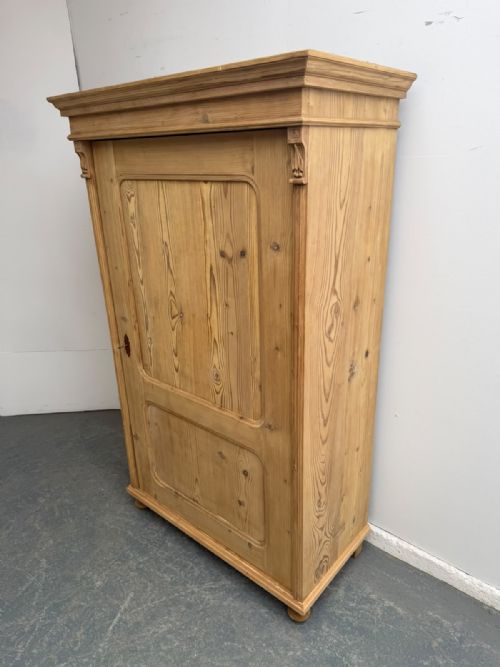
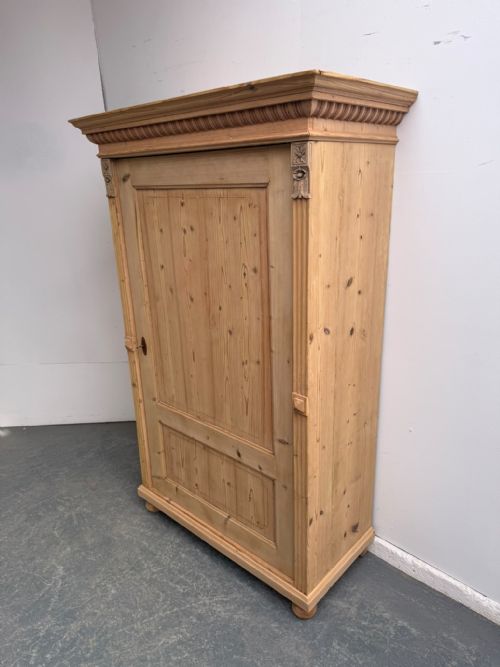
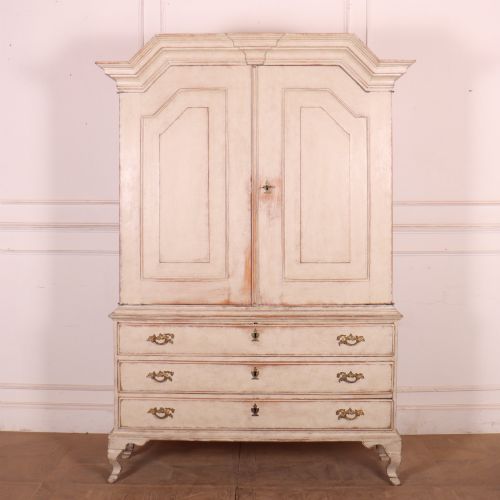
These vintage pine armoire cabinet pieces offer substantial timber storage, spanning eighteenth-century Scandinavian painted cupboards to Victorian wardrobes.
Vintage Pine Armoire Cabinet
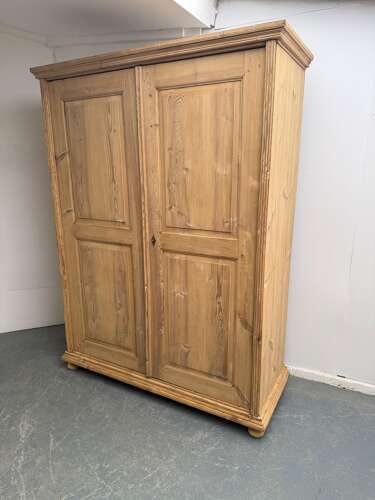
When searching for a vintage pine armoire cabinet, buyers encounter large storage pieces originating primarily from nineteenth-century Britain, France, Scandinavia, and Germany. The selection spans straightforward single door cupboards, extensive housekeepers cupboards, larder cupboards, and tall wardrobes designed for domestic utility.
The most common formats on this page are nineteenth-century and Victorian upright storage cupboards and knockdown wardrobes. These pieces reflect regional European vernacular traditions, including French provincial designs, Gustavian Swedish cabinets, and rustic farmhouse builds in pine.
How They Were Made
Construction relies heavily on solid pine timbers, joined with iron hardware, brass fittings, and occasional glass elements. Many items incorporate panelled doors, pegged frames, and knockdown construction designed for dismantling during transport.
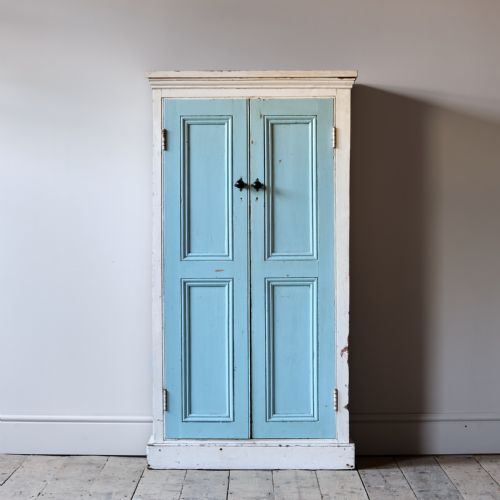
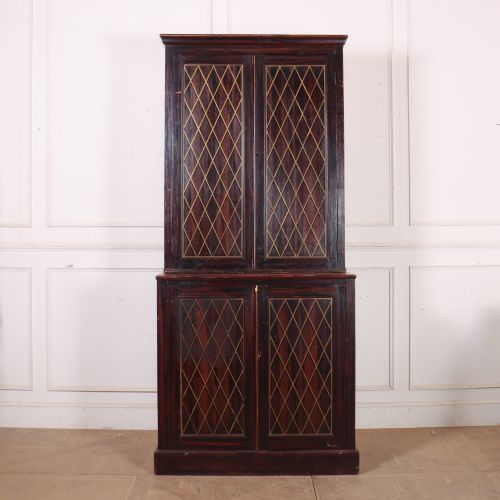
Finishes range from raw waxed pine to scumble painted surfaces, polychrome paintwork, and original historical paint layers. Iron and brass hinges, locks, and handles secure the heavy timber doors across both grand armoires and simpler school cupboards.
Several cupboards carry memories of their school days, having spent decades inside institutional classrooms before entering domestic retirement.
What Varies in Quality
Quality differentiates through the integrity of the original timber and the survival of authentic finishes. Pieces retaining their original paintwork, such as Swedish or Italian polychrome surfaces, differ significantly from those stripped down for modern waxing or painting.
Structural refinement also separates standard utility cupboards from finer regional examples, observed in proportion, fielded panel details, carved accents, and the complexity of architectural cornicing.
The Vintage Pine Armoire Cabinet Glossary
- Armoire
- A large upright cupboard or wardrobe used primarily for storing clothes. These tall pieces typically feature one or two main doors enclosing hanging space or shelving.
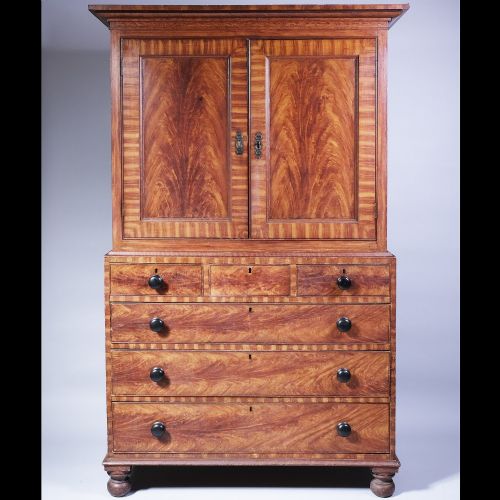
- Scumble painted
- A decorative painting technique involving layers of translucent glaze manipulated to imitate the grain of more expensive hardwoods. This finish appears frequently on nineteenth-century vernacular furniture.
- Linen press
- A tall piece of furniture traditionally used for storing bed linens and textiles. They combine upper cupboard doors with internal shelving or lower drawer configurations.
- Knockdown wardrobe
- A large wardrobe constructed to be easily dismantled into separate panels and sections for transport. This practical method of construction was common in large nineteenth-century bedrooms.
- Gustavian
- The Swedish neoclassical style popular during the late eighteenth and early nineteenth centuries. It is characterised by pale painted finishes and restrained classical proportions.
Vintage Pine Armoire Cabinet: Frequently Asked Questions
What is a vintage pine armoire cabinet?
These items are large wooden storage enclosures built from pine timber during the eighteenth, nineteenth, and early twentieth centuries. They served domestic functions ranging from linen storage to wardrobe duty in bedrooms and hallways.
They appear in various regional European styles, including French provincial, Scandinavian painted, and British Victorian country designs. Many were constructed as knockdown pieces to facilitate movement between rooms.
How do I care for waxed pine furniture?
Waxed pine benefits from occasional applications of natural beeswax to nourish the timber and maintain a soft sheen. Avoid placing these cabinets near direct heat sources or in damp environments to prevent wood movement.
Dust regularly with a dry cloth and buff gently when necessary. Strong chemical cleaners should be avoided as they strip the traditional wax finish.
Are these cabinets easy to move?
Many of these pieces, particularly the knockdown wardrobes and large armoires, were designed to be taken apart into sections for transport and installation. Solid one-piece cupboards require careful measuring of doorways and stairwells before purchase due to their substantial height and depth.
Checking the construction type in the listing description reveals whether a specific cabinet disassembles.
How do I distinguish original paint from later finishes?
Original historical paint shows natural wear, craquelure, and patina consistent with age and use over centuries. Later paint layers or subsequent overpainting often appear flat or uniform without the depth of underlying pigment layers.
Examining internal surfaces and hidden edges helps determine the finishing history of the timber.