



Vintage Pillar Stand
These vintage pillar stand options elevate sculpture, plants and lighting, bringing architectural structure into domestic rooms.
Vintage Pillar Stand
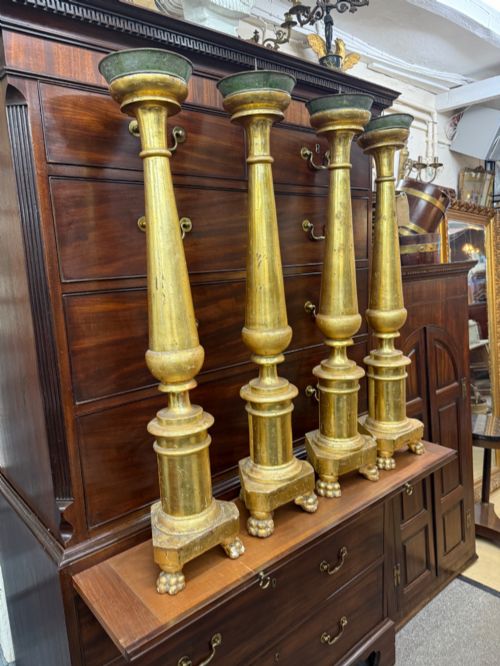
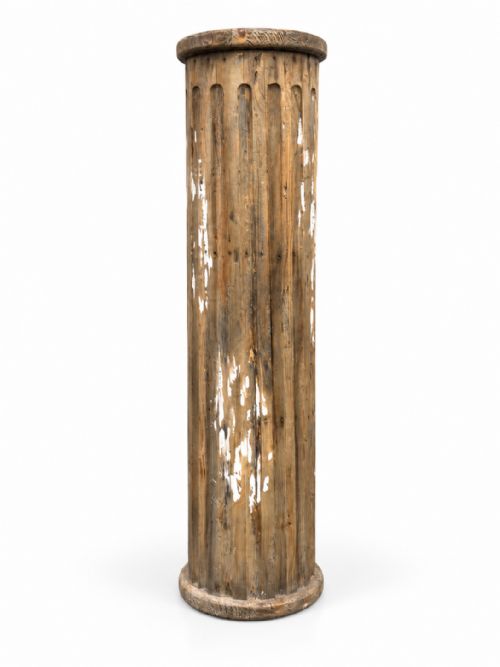
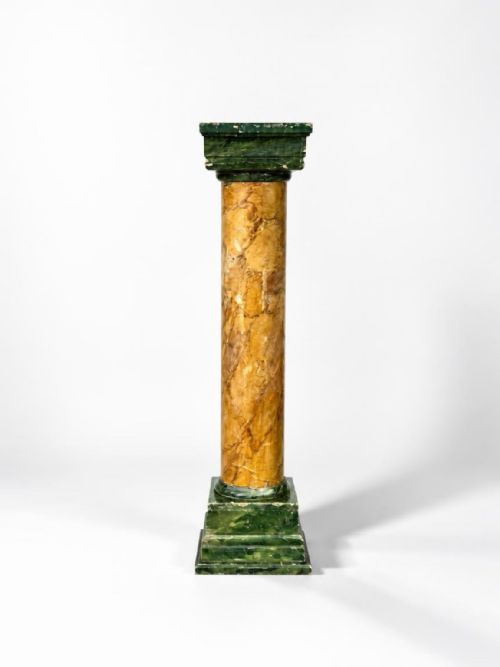
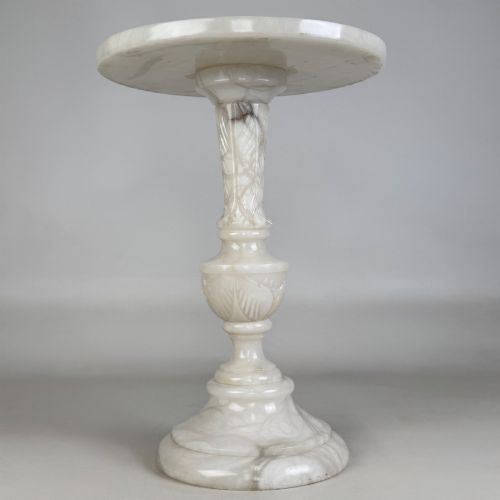
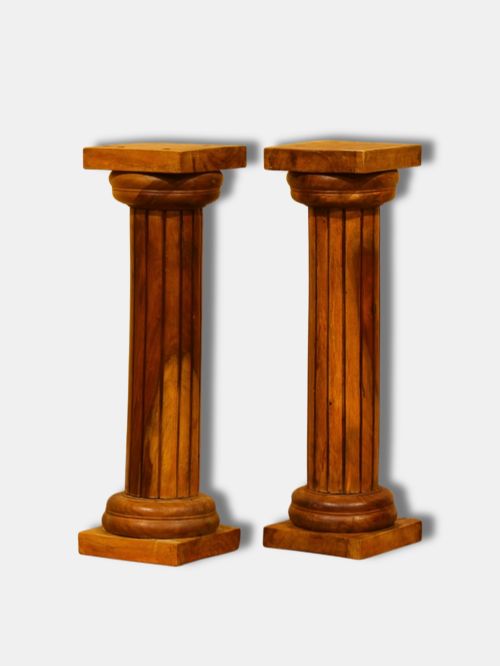
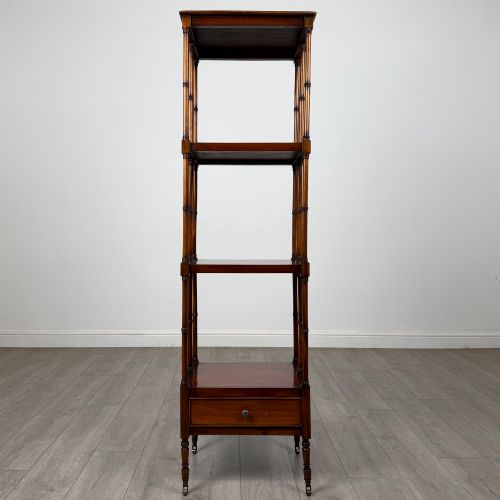
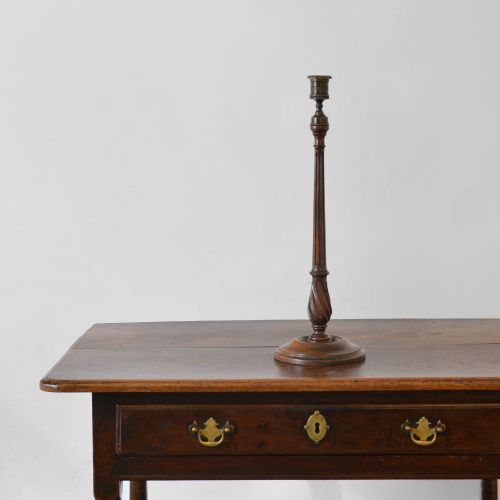
A vintage pillar stand encompasses architectural pedestals, classical columns, torcheres, and tall candlesticks spanning from the Georgian and Victorian eras through the Edwardian period and the 1930s. These elevated supports serve to display decorative objects, pottery, and lamps while adding vertical proportion to interior spaces.
Materials and construction methods
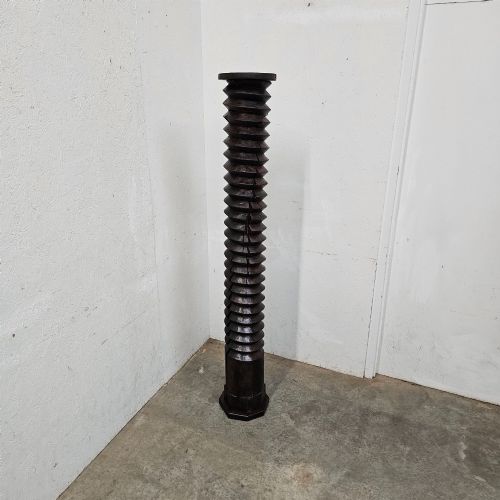
Cabinetmakers and turners utilised solid woods including mahogany, oak, walnut, and macassar ebony, often employing lathe-turning for slender shafts and spiral pillars. Joinery and carving techniques created sturdy bases and capitals suited for supporting weight.
Metalworkers cast brass and silver plate into Corinthian columns and decorative candlesticks, while masons shaped alabaster, red stone, and Arabescato marble into solid monolithic columns. Plaster and painted finishes provided decorative surface alternatives for sculptural plant stands.
Vintage Pillar Stand Retail Price Guide 2026
Typical asking prices for vintage pillar stand among the pieces listed under this phrase on Sellingantiques today, from the lower quarter to the upper quarter. They describe what is for sale here now, not the wider market.
Secret compartments hidden within carved wooden pedestals offer a clandestine spot for storing small valuables.
Distinctions in craftsmanship and materials
Quality rests in the selection of the medium, whether figured walnut and macassar ebony, dense carved hardwood, or solid natural marble rather than composite substitutes. Crisp detailing in turned fluting, carved capitals, and proportioned bases distinguishes superior examples.
Structural integrity determines longevity, ensuring that tall columns and narrow pedestals remain stable under weight. Finer items exhibit precise balancing and careful joining that prevent wobbling.
The Vintage Pillar Stand Glossary
- Torchere
- A tall stand designed specifically to support a lamp or candle. It elevates lighting sources to cast illumination from a higher vantage point in a room.
- Capital
- The topmost member of a pillar or column, often decorated with carved foliage or architectural motifs. It mediates between the vertical shaft and the load above.
- Alabaster
- A fine-grained, translucent stone utilised for carved columns and plant stands. Its natural veining catches light.
- Neoclassical
- A style drawing inspiration from classical Greece and Rome. It emphasises symmetry, columns, and restrained ornamentation.
Vintage Pillar Stand: Frequently Asked Questions
Where should I place a pillar stand?
These supports function well in room corners, empty wall spaces, or flanking doorways where vertical height draws the eye upward. They provide designated display areas for ceramics, sculptures, or table lamps.
Ensure the placement area offers sufficient floor stability so tall or heavy marble and hardwood columns remain secure against accidental knocks.
How do I clean wooden pillars?
Dust surfaces regularly with a soft, dry cloth to prevent grime accumulation on carved details and turned wood shafts. Avoid excessive moisture on antique timber and polished finishes.
Apply suitable furniture wax occasionally to nourish hardwood and maintain the natural sheen of mahogany, oak, or walnut.
Can these stands hold heavy items?
Solid stone, marble, and heavy hardwood pedestals provide robust load-bearing capacity for substantial bronze sculptures or large ceramic planters. Lighter turned wood or plaster versions suit delicate decorative objects.
Verify the base breadth and weight distribution of the specific stand to ensure stable support for heavier ornaments.
How are different periods identified?
Stylistic cues such as Georgian mahogany turning, Victorian spiral carving, Edwardian oak craftsmanship, or 1930s Art Deco macassar ebony veneers indicate the era of production. Material preferences also shift across decades.
Examining construction methods, tool marks, and finish wear helps determine the age and origin of each piece.