



Vintage Pile Rug
A vintage pile rug brings texture and history to a floor, offering deep wool pile woven by tribal and regional makers.
Vintage Pile Rug
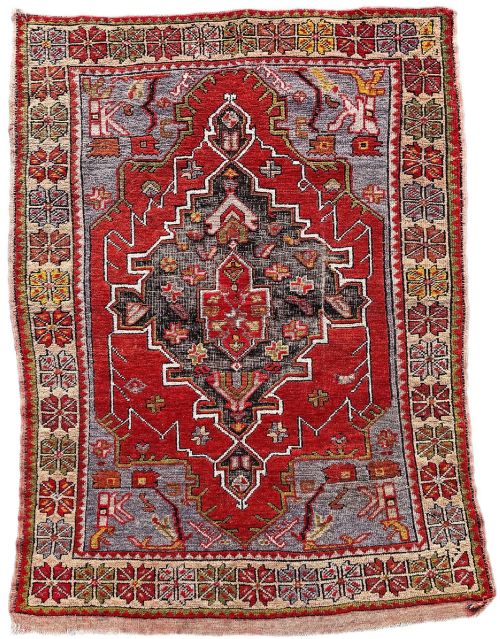
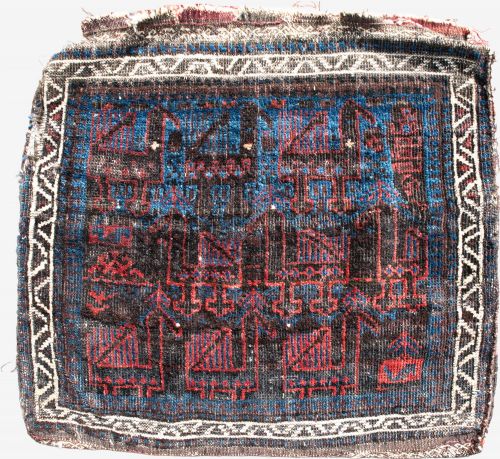
A vintage pile rug encompasses floor coverings and runner rugs made across regions such as Persia, Anatolia, the Caucasus, and Morocco. These textiles range from room-size carpets down to hallway runners and smaller tribal weavings like grain sacks and bird bags.
The pieces on this page span the late nineteenth century through to the 1930s. Buyers will frequently encounter traditional Persian styles, Baluch and Qashqai tribal works, and Caucasian runners among the current selection.
Origins determine the character of each piece, reflecting the specific weaving traditions of the Luri-Bakhtiari, Tekke Turkmen, and Berber communities. Every rug serves as a durable textile built for practical domestic use.
How they were made
These textiles rely on wool and cotton foundations combined with hand-spun wool for the raised surface pile. Natural dyes impart the rich tones found throughout the pieces recorded in the listings.
Weavers knotted the pile securely onto the warp and weft threads to create dense, hard-wearing surfaces capable of enduring decades of foot traffic. The use of natural dye materials produces subtle colour variations across the field of each rug.
Vintage Pile Rug Retail Price Guide 2026
Typical asking prices for vintage pile rug among the pieces listed under this phrase on Sellingantiques today, from the lower quarter to the upper quarter. They describe what is for sale here now, not the wider market.
Some functional tribal items began life as wheat-sacks or bird bags before finding a second career on the floor.
What varies in quality
Quality rests upon the density of the wool pile and the integrity of the weave across the foundation. Full pile condition indicates minimal wear to the knotted surface, preserving the original design and texture intended by the maker.
The sophistication of tribal designs and the precision of the hand-spinning and dyeing processes separate standard utilitarian pieces from exceptional regional examples. Finer execution in the knotting and balanced proportions elevate the status of a carpet or runner.
The Vintage Pile Rug Glossary
- Pile
- The raised, soft surface of a rug formed by the cut ends of knots tied to the foundation. This layer provides cushioning and absorbs wear.
- Runner
- A long, narrow carpet format specifically designed for hallways, corridors, and stairs. These pieces guide movement through domestic spaces.
- Warp
- The vertical threads stretched tightly on the loom that form the structural skeleton of the rug. Weft threads are woven horizontally across them.
- Natural Dyes
- Colourants derived from plant, insect, and mineral sources rather than synthetic chemicals. They age with notable depth and character.
- Tribal Textile
- A piece created by nomadic or village communities for domestic utility or personal use rather than urban workshops. These items often display traditional geometric motifs.
Vintage Pile Rug: Frequently Asked Questions
Where should I place a runner rug?
Runners suit narrow spaces such as hallways, corridors, and galley kitchens. They protect flooring while adding warmth and pattern to transitional areas.
Measure your passage carefully to ensure clearance for doors and furniture before placing the textile.
How do I care for a wool rug?
Regular vacuuming without a rotating brush roll keeps wool pile free from embedded dirt and grit. Rotating the piece periodically ensures even exposure to light and wear.
Professional cleaning is recommended when deeper attention is required to preserve the natural fibres.
What does full pile mean?
Full pile describes a rug that retains the original height of its knotted wool surface with little to no thinning. This condition indicates that the piece has experienced minimal loss of wool over time.
Such examples display the design with maximum clarity and tactile depth.
How do tribal rugs differ from city carpets?
Tribal rugs usually feature geometric patterns, spontaneous design variations, and colours rooted in local materials and nomadic traditions. City carpets often exhibit formal, symmetrical floral medallions woven in structured workshops.
Both categories reflect the distinct cultural heritage of their makers.