


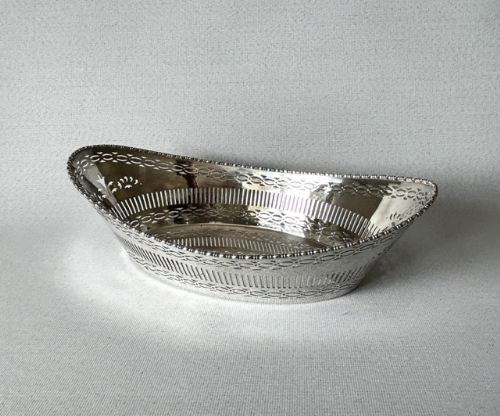
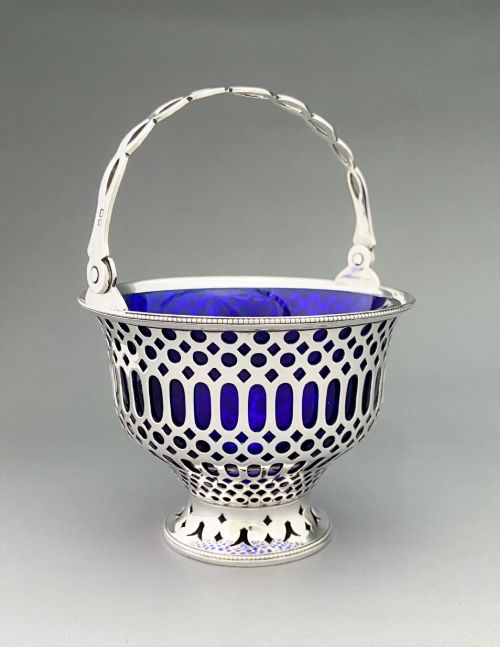
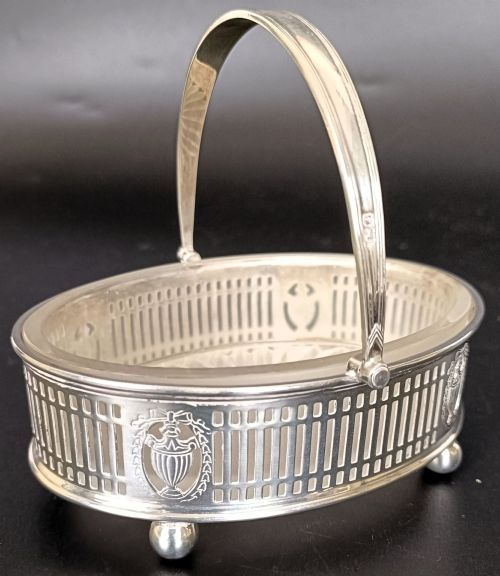
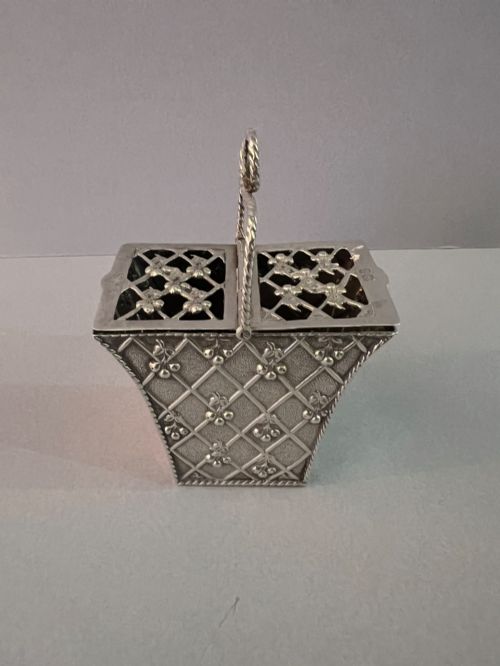

Vintage Pierced Dish
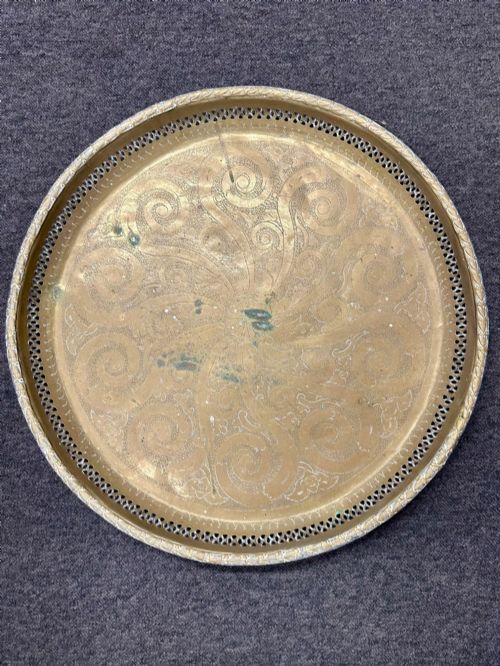
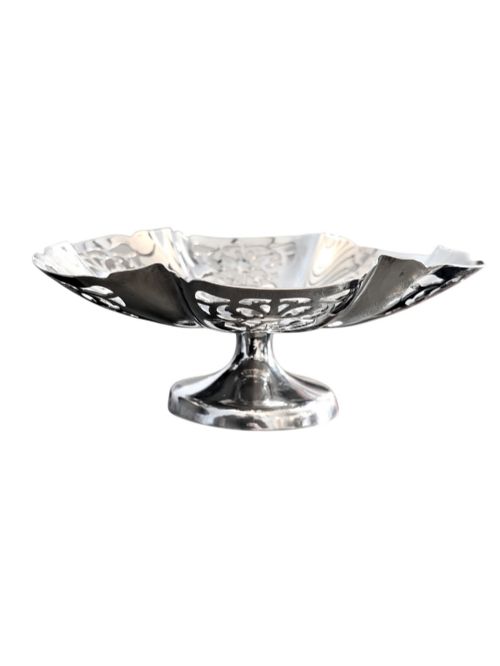
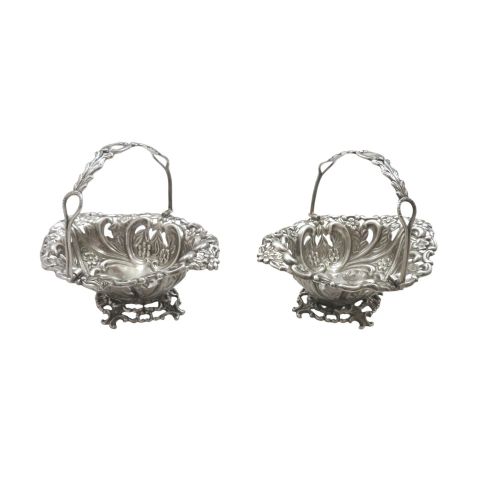
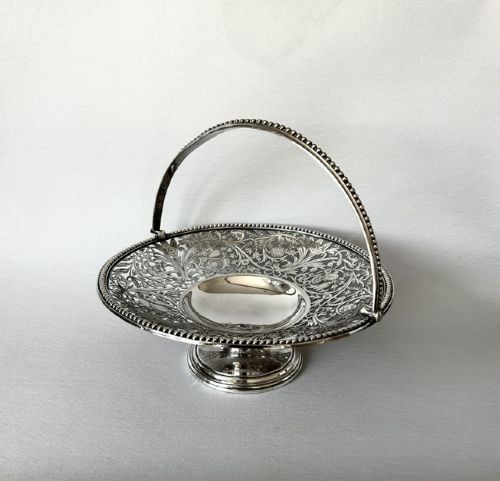
A vintage pierced dish brings openwork metal or porcelain into a room to hold fruit, bread or sweets.
Vintage Pierced Dish
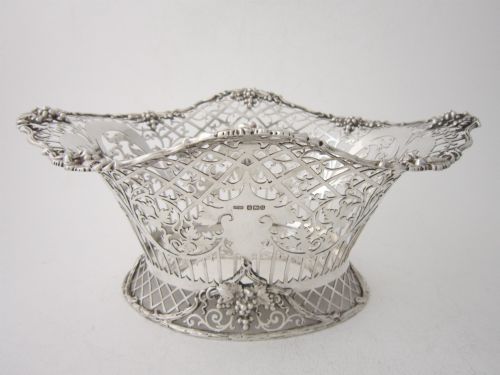
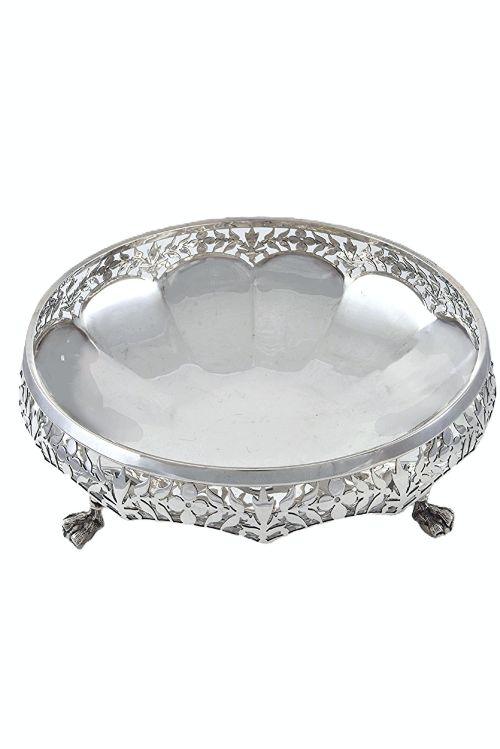
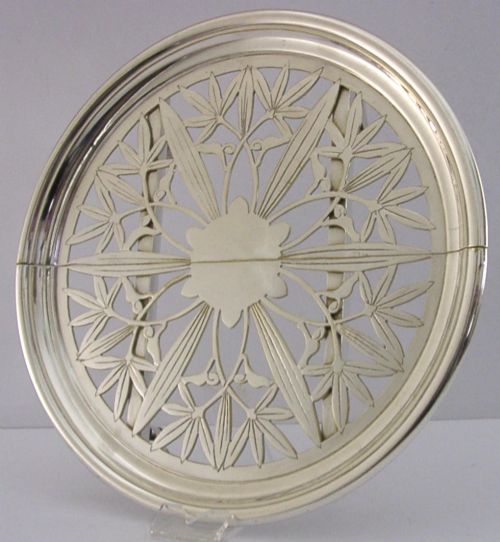
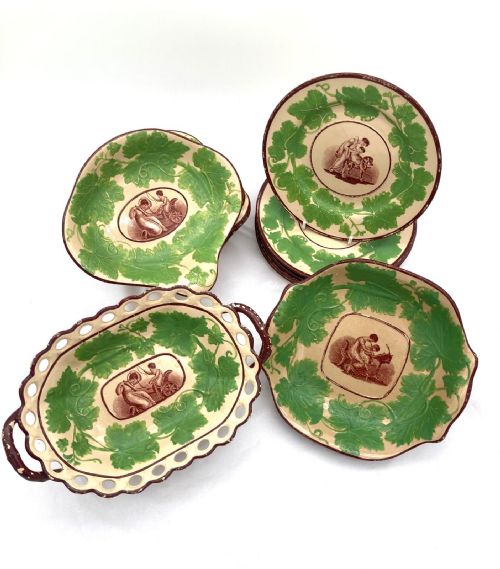
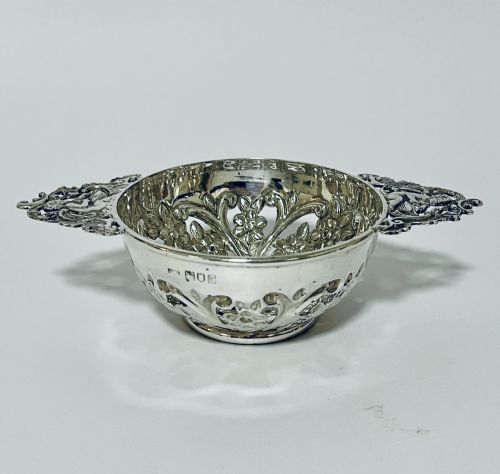
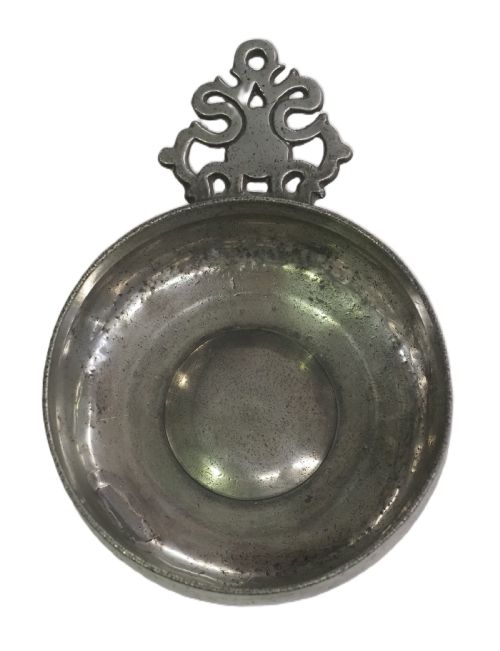
When you search for a vintage pierced dish, you find openwork vessels designed for table service or display across several centuries. The selections on this page span from early porcelain punch bowls and pewter porringers to silver bread baskets, bonbon dishes and centrepiece bowls.
The form appears most frequently in silver, silver plate and porcelain from the Edwardian era, the nineteen-twenties and the nineteen-thirties. Buyers encounter swing-handled baskets, tazzas, ribbon plates and butter dishes fitted with glass liners.
Makers ranged from major British silversmiths and Sheffield firms to Continental porcelain factories and Japanese export workshops. Each piece reflects the dining habits and decorative tastes of its particular decade.
How They Were Made
Metalsmiths formed silver and silver plate vessels by piercing, sawing or casting, often adding swing handles and wirework mounts. Artisans shaped sterling silver, silver plate, pewter and foreign silver grades into lattice patterns, galleries and openwork rims.
Porcelain and glass versions combined fired ceramics or blown glass with metal mounts, enamel work or applied decorative details. Makers like Royal Crown Derby and Meissen utilised painted Imari patterns and moulded floral elements on porcelain plates and serving dishes.
Vintage Pierced Dish Retail Price Guide 2026
Typical asking prices for vintage pierced dish among the pieces listed under this phrase on Sellingantiques today, from the lower quarter to the upper quarter. They describe what is for sale here now, not the wider market.
Listings feature items spanning from seventeen hundred pewter porringers to nineteen-fifties silver bonbon dishes.
What Varies in Quality
The distinction between standard production items and exceptional pieces lies in the crispness of the openwork piercing and the weight of the metal or ceramic body. Heavier gauge sterling silver and finely hand-sawn lattices demonstrate superior craftsmanship compared to thinner stamped metal.
Design complexity also separates pieces, with substantial centrepiece bowls, multi-part items with cobalt glass liners, and detailed makers' marks commanding greater interest from collectors. The integration of materials, such as tortoise-shell or enamel work with silver, marks out finer workshops.
Viners and Co Sheffield·Royal Crown Derby·Christofle·Mappin and Webb·Elkington·John Hunt·Schierholz Plaue·Fenton·Gioielleria Agliardi Cassino·Meissen
The Vintage Pierced Dish Glossary
- Bonbon dish
- A small vessel intended for holding sweets or confectionary. These often feature pierced silver rims and sit on low pedestal feet.
- Porringer
- A small bowl with one or two horizontal flat handles, used historically for soft foods or porridge. Early examples in English pewter date back to the seventeenth century.
- Quaich
- A traditional shallow two-handled drinking vessel of Scottish origin. Edwardian silversmiths also produced them in solid silver for decorative display.
- Imari
- A style of Japanese export porcelain decorated in underglaze blue and iron red with gold additions. European factories frequently copied these vibrant patterns on serving dishes.
- Swing handle
- A movable arched handle attached to the sides of a basket or dish by pivots. This feature appears commonly on Edwardian and George V silver cake and fruit baskets.
Vintage Pierced Dish: Frequently Asked Questions
What were pierced dishes used for?
These vessels held bread, fruit, bonbons, butter or small desserts on the dining table. Their openwork designs lightened the visual weight of heavy silver and ceramic services.
Over time, many transitioned into pure display pieces or centrepieces for sideboards and tables.
How do I clean silver pierced dishes?
Use a soft cloth and a gentle silver polish formulated to avoid abrasive scratching on detailed openwork. Take care around pierced sections where polish residue can become trapped.
Store pieces in dry conditions to slow down natural tarnishing processes between uses.
Are glass liners original to the dishes?
Many butter dishes and bowls were manufactured with fitted glass or cobalt glass liners to protect the metal from moisture and acids. Finding a piece with its matching coloured glass liner intact adds significantly to its completeness.
Liners should be washed separately in warm soapy water rather than submerged with silver parts.
How can I tell the period of a silver dish?
British silver bears hallmarks that indicate the assay office, the specific year letter and the maker's mark. Comparing these stamped symbols against historical punch records dates the metal precisely.
Stylistic cues such as Art Deco geometric lines or Edwardian scrollwork provide further clues when hallmarks are worn or absent.