
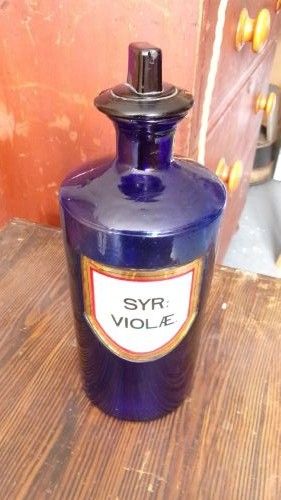


Vintage Pharmacy Jar
A vintage pharmacy jar holds the concentrated history of old dispensaries, offering tactile glass and ceramic forms that ground a modern interior.
Vintage Pharmacy Jar
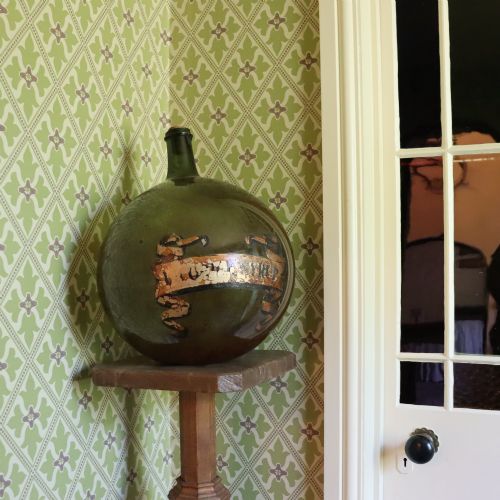
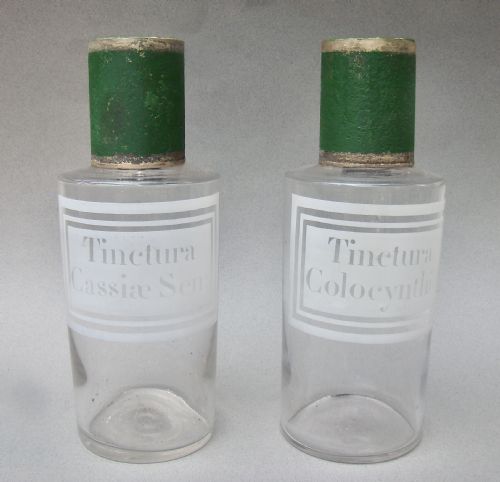
A vintage pharmacy jar encompasses utility vessels designed for historic apothecaries, including tall carboys, storage albarellos, and labelled tincture bottles. These containers served chemical and herbal stores across the eighteenth, nineteenth, and early twentieth centuries.
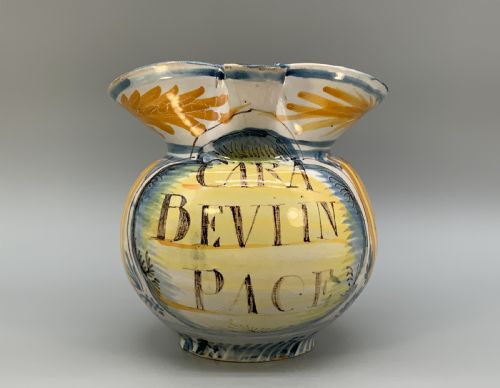
The version most commonly encountered on this page is the nineteenth-century glass bottle or jar, often featuring hand-blown characteristics or applied paper and gold leaf labels. Ceramic examples in tin glaze and earthenware also appear regularly from Italian and French traditions.
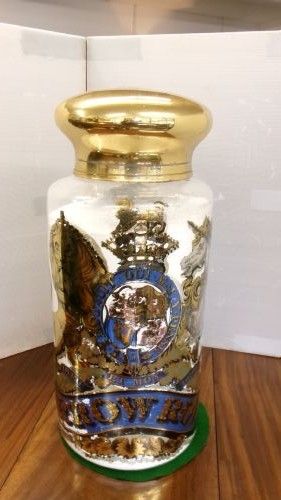
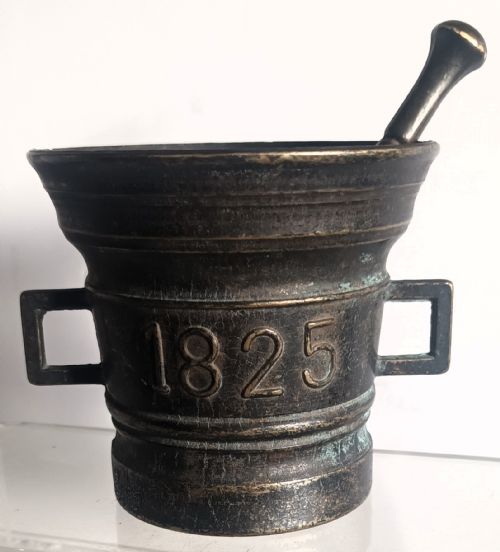
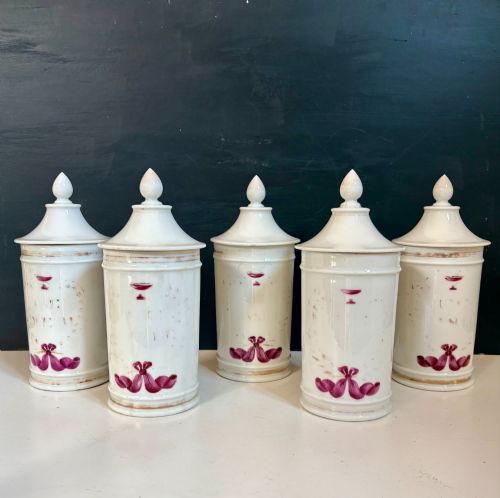
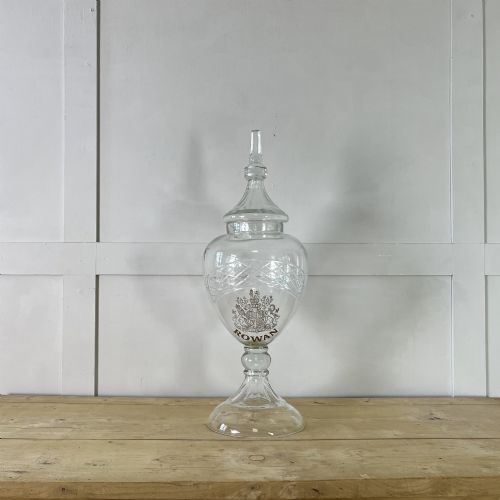
Forms span from large display jars with covers to sets of smaller chemist bottles and mortar and pestle sets. Collectors find both individual statement pieces and matching sets originating from Victorian, Edwardian, and earlier periods.
Materials and Construction
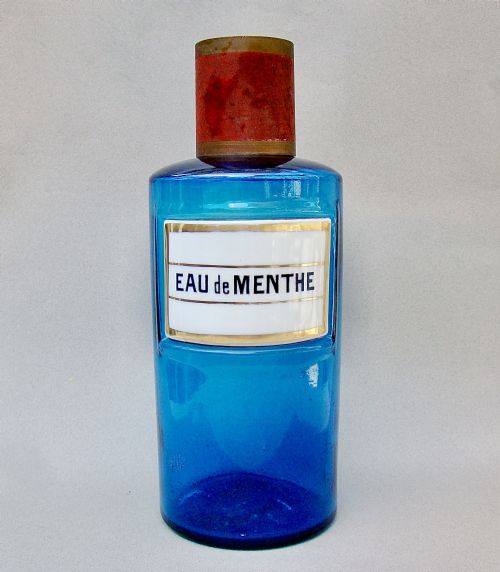
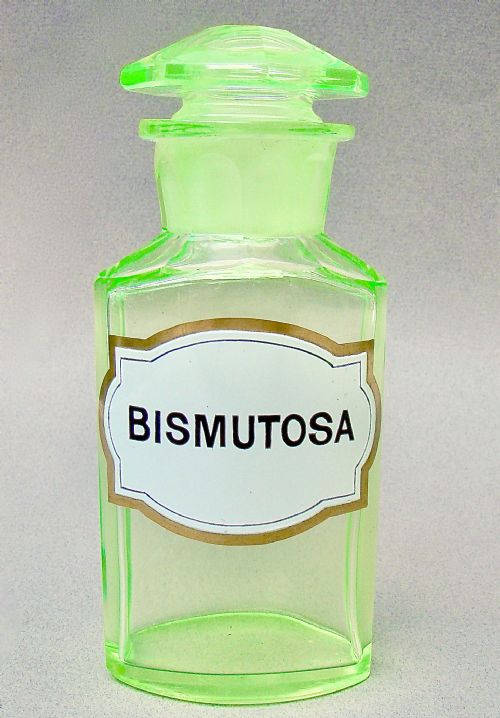
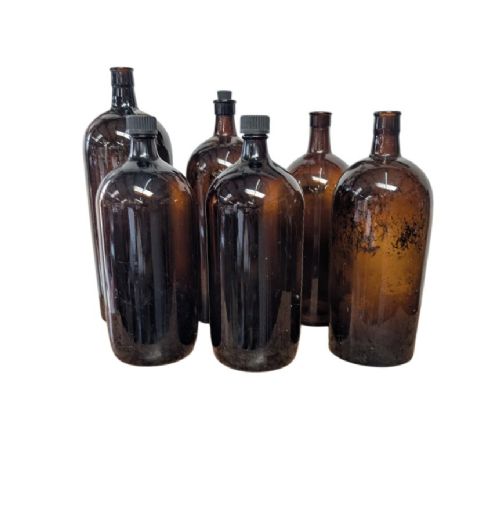
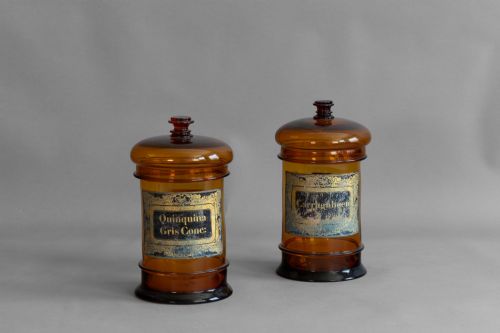
Glass production relies on hand-blown techniques, resulting in varied wall thickness, bubbles, and deep amber, Bristol blue, or green coloration. Etched glass and applied paper or gold leaf provide the surface labelling for contents such as arrowroot or gelatine.
Makers shaped these vessels for heavy daily use in dispensaries, combining robust structural walls with fitted stoppers, covers, or spouts designed to preserve volatile medical compounds.
Arrowroot and gelatine once rested safely inside these heavy glass jars before they found a second life on collector shelves.
Assessing Quality and Merit
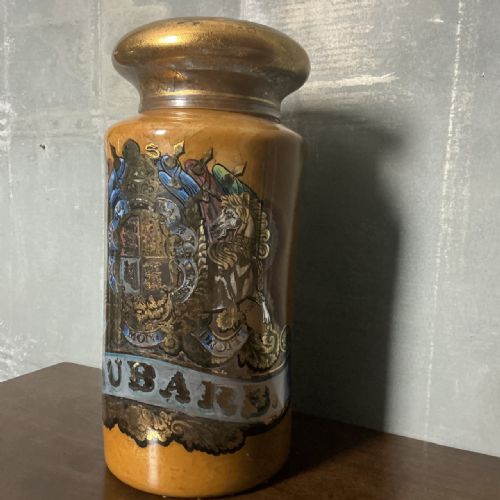
Quality rests upon the preservation of original applied elements, such as legible hand-painted or gold leaf paper labels identifying specific apothecary contents. The crispness of polychrome painting on majolica faience and the clarity of blown glass also dictate standing.
Scale and proportion separate standard utilitarian containers from monumental display pieces like large carboys or matched sets of eight and twenty-nine jars. Intact original covers, stoppers, and matched pairs elevate an item within its period.
Samuel Alcock and Co
The Vintage Pharmacy Jar Glossary
- Albarello
- A cylindrical earthenware jar used in pharmacies to hold ointments and dry drugs. This form originates from ancient Near Eastern drug storage vessels.
- Carboy
- A large glass or ceramic vessel used for holding bulk liquids or chemicals in a dispensary. These prominent glass containers often sat in shop windows to catch the light.
- Faience
- Tin-glazed earthenware decorated with opaque coloured glazes over a white ground. Italian and French examples frequently display rich manganese and yellow pigments.
- Tincture
- A medicine made by dissolving a drug in alcohol. Tincture bottles are specific small glass vessels designed to store these liquid preparations safely.
- Majolica
- Italian tin-glazed pottery known for bright polychrome painting. Early examples date back centuries and feature distinctive blue, white, or yellow designs.
Vintage Pharmacy Jar: Frequently Asked Questions
What were vintage pharmacy jars used for?
Apothecaries and chemists utilised these vessels to store dry drugs, herbs, ointments, and liquid tinctures safely away from light and air. Large carboys held bulk liquids, while labelled bottles sat on shelves for daily compounding.
Over time, these functional containers transitioned from working dispensaries into decorative interior objects valued for their tactile materials and historic typography.
How do I date a pharmacy jar?
Dating relies on observing manufacturing techniques, material types, and label styles across different centuries. Hand-blown glass with pontil marks and Georgian or Victorian proportions point to the nineteenth century or earlier.
Ceramic examples often show period-specific tin glazing, such as eighteenth-century majolica or nineteenth-century faience. Stylistic clues in the lettering and colour palette further narrow down the decade.
Are stoppers and covers usually original?
Survival rates for matching glass stoppers and ceramic covers vary considerably depending on the vessel's utility and history. Many tall display jars and chemist bottles retain their original lollipop stoppers or lids.
When a piece preserves its matching cover or stopper, it holds greater integrity for a collection. Replacements do occur due to the fragile nature of old glass and earthenware.
How should I display pharmacy jars at home?
These vessels suit placement on open shelving, windowsills where light can pass through amber and Bristol blue glass, or mantelpieces. Grouping matching sets or mixing glass and ceramic textures creates a balanced arrangement.
Keeping them away from direct physical hazards protects fragile historic surfaces like gold leaf and paper labels from accidental damage.