



Vintage Pewter Light
These vintage pewter light pieces bring solid metal weight and quiet surface texture to a room, offering genuine period character.
Vintage Pewter Light
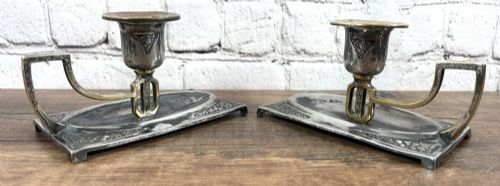
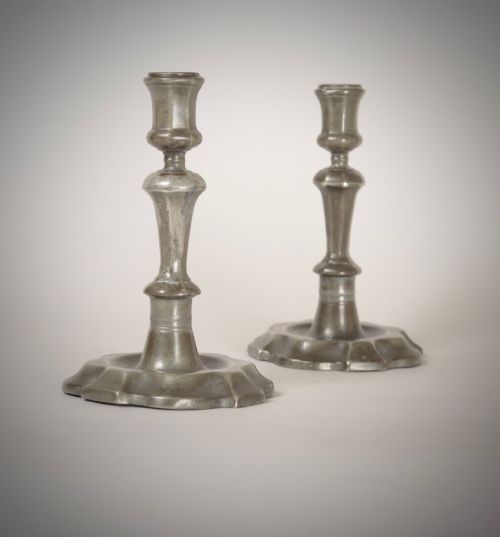
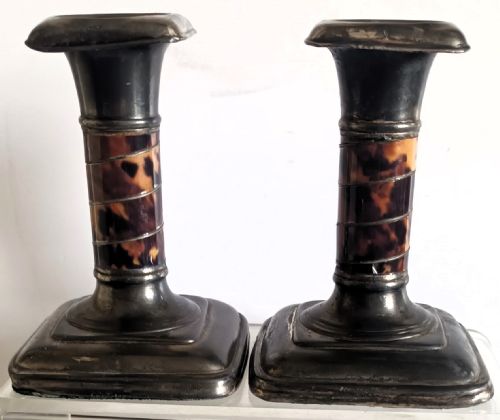
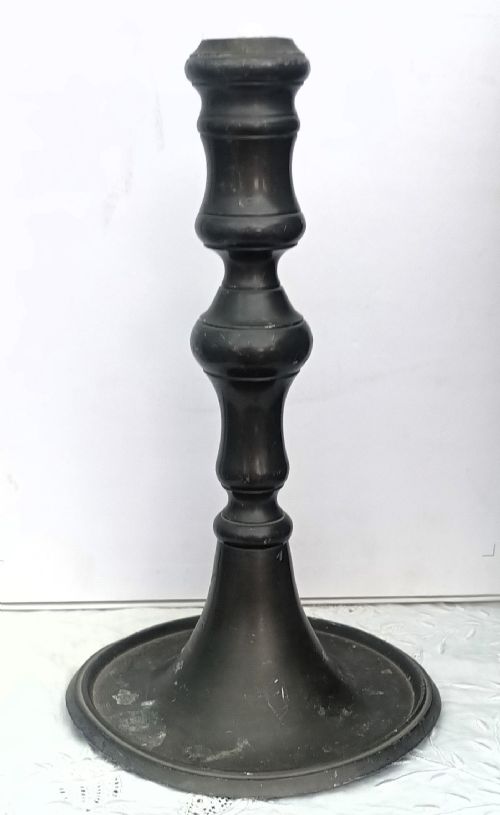
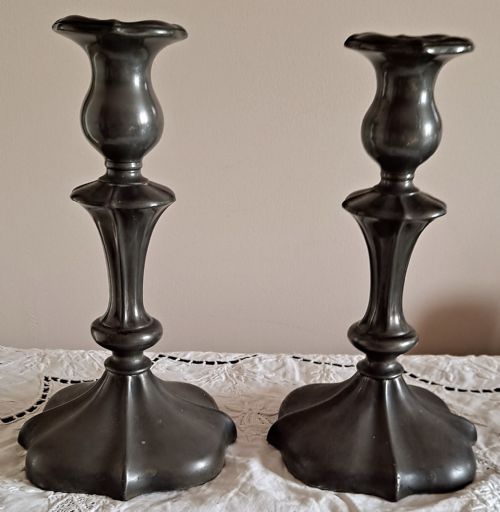
When you search for vintage pewter light, you encounter candle holders, chambersticks, wall sconces, and ceiling fixtures spanning from the seventeenth century through the early twentieth century. Candlesticks dominate the selection, often appearing in matched pairs alongside single examples.
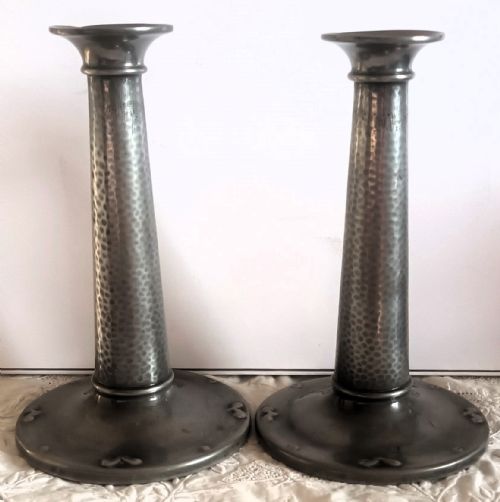
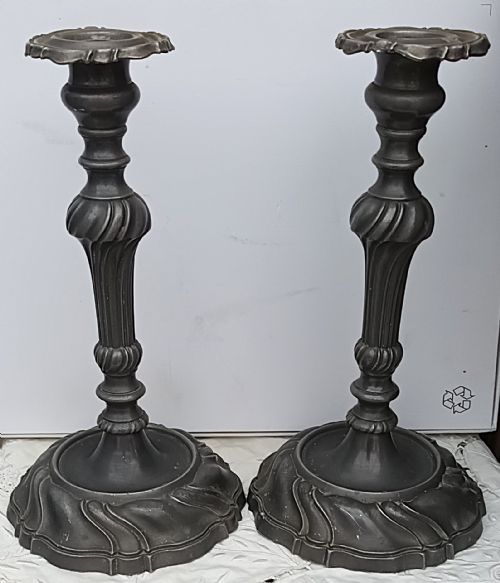
The aesthetic ranges from plain Stuart and Georgian forms to ornate Victorian Rococo revival designs, alongside distinctive Arts and Crafts and Art Nouveau interpretations. You also find combinations incorporating copper, brass, tortoiseshell, enamel, and frosted glass within the metalwork.
The nineteenth and early twentieth centuries provide the majority of options, particularly through Arts and Crafts and Victorian output. Pieces frequently reflect British and French manufacturing traditions, including recognisable studio designs.
How they were made
Makers shaped these items primarily through casting and working in metal alloys, utilising pewter alongside supporting elements of copper and brass. Surface decoration often integrated applied enamel panels or inset tortoiseshell to contrast with the grey metal.
Construction methods varied from simple joined components on early chambersticks to complex figural castings and geometric wall sconces from later decades. The metal received different finishes, from polished brilliance to patinated, matte surfaces.
Vintage Pewter Light Retail Price Guide 2026
Typical asking prices for vintage pewter light among the pieces listed under this phrase on Sellingantiques today, from the lower quarter to the upper quarter. They describe what is for sale here now, not the wider market.
Listings span from the 17th century to the 1930s, incorporating materials like tortoiseshell, copper, brass, and enamel alongside pewter.
What varies in quality
Distinctions in standard depend heavily upon the precision of the casting and the crispness of decorative motifs such as Rococo scrolls or Art Nouveau whiplash lines. Finer examples display deliberate weight, secure joints, and harmonious integration of secondary materials like enamel or tortoiseshell.
Design attribution also separates standard production items from those produced by named designers and prominent retail houses. The integrity of the surface metal and the survival of original components dictate the standing of individual fixtures.
Liberty & Co·Archibald Knox·Alexandre Clerget
The Vintage Pewter Light Glossary
- Pewter
- A malleable metal alloy consisting primarily of tin, combined with copper, antimony, or bismuth. It provides a subdued grey finish that develops a warm patina over time.
- Chamberstick
- A short candlestick fitted with a wide drip pan and a loop handle for carrying room to room. These portable items were essential for evening lighting before fixed electric illumination.
- Sconce
- A wall-mounted fixture designed to hold candles or lamps and project illumination into a space. They often feature reflective backplates made of copper or brass.
- Tudric
- The trade name used by Liberty & Co. for their range of pewter ware produced during the early twentieth century. Many of these items were designed by Archibald Knox and feature characteristic Celtic revival motifs.
- Quatrefoil
- A decorative shape composed of four partially overlapping circles, frequently seen in geometric metalwork. This form appears on wall sconce frames from the twentieth century.
Vintage Pewter Light: Frequently Asked Questions
How do I clean vintage pewter?
Clean pewter gently using warm soapy water and a soft cloth, avoiding harsh chemical metal polishes that strip away the historic surface.
Dry the metal thoroughly immediately afterwards to prevent water spotting and preserve the natural tone.
Can I use real candles in these holders?
Most antique candlesticks and chambersticks accept standard taper candles, though minor variations in socket sizing can occur across different periods.
Check the diameter carefully before burning candles to ensure the taper stands upright and secure.
How do I identify Arts and Crafts pewter?
Arts and Crafts pieces generally display hammer marks, functional honesty, and stylized floral or geometric motifs rather than excessive surface ornamentation.
They often incorporate natural materials like enamel or feature patinated grey surfaces typical of early twentieth-century workshops.
Are these light fixtures wired for electricity?
The majority of pieces designed as candlesticks, chambersticks, and sconces are intended for wax candles rather than electrical wiring.
Flush ceiling lights from later periods accommodate electrical fittings, but older candle holders remain in their original non-wired state.