
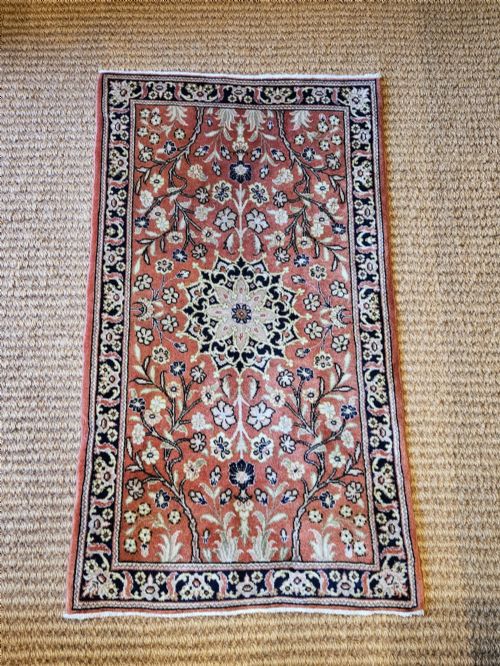
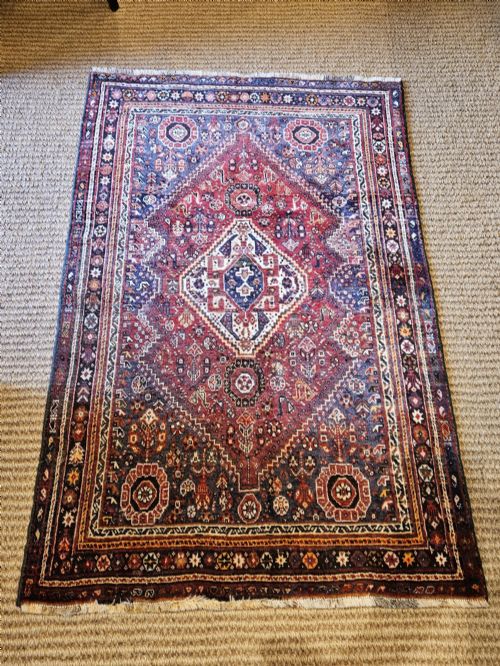
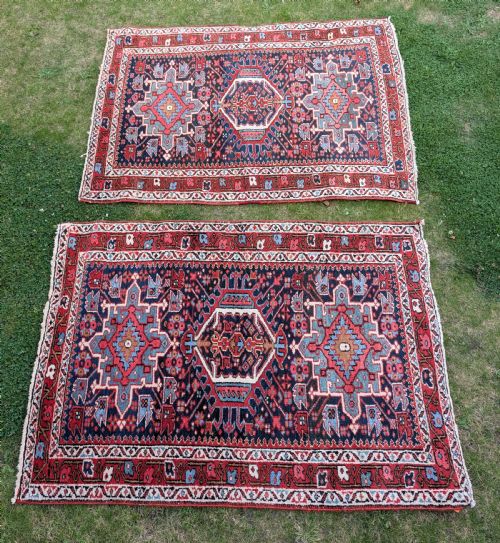
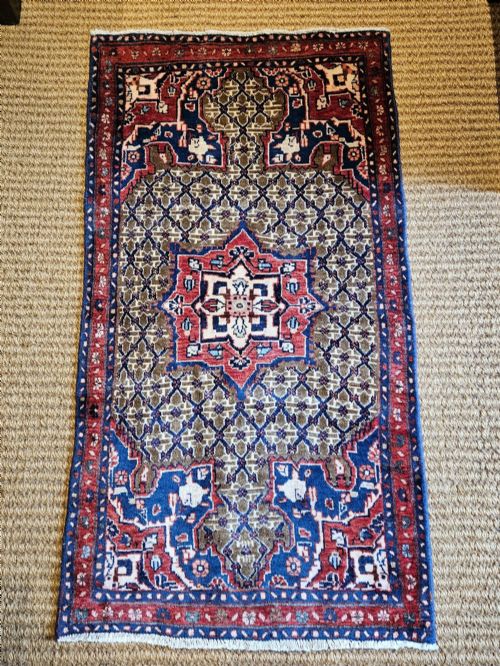




Vintage Persian Hearth Rug
A vintage persian hearth rug brings warmth and deep pattern to a room, grounding a fireplace with traditional village craftsmanship.
Vintage Persian Hearth Rug
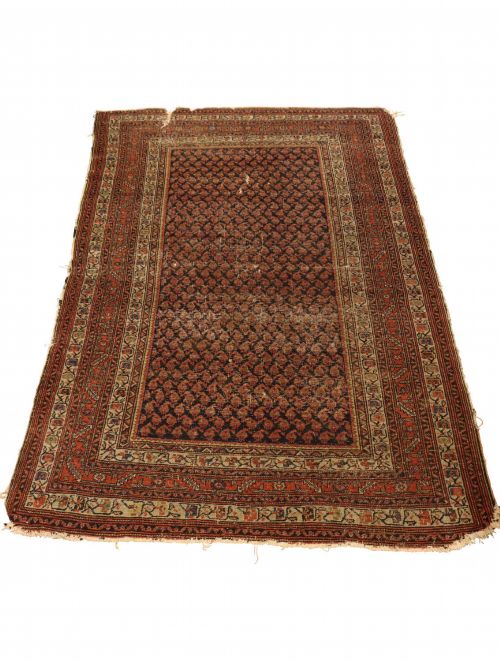
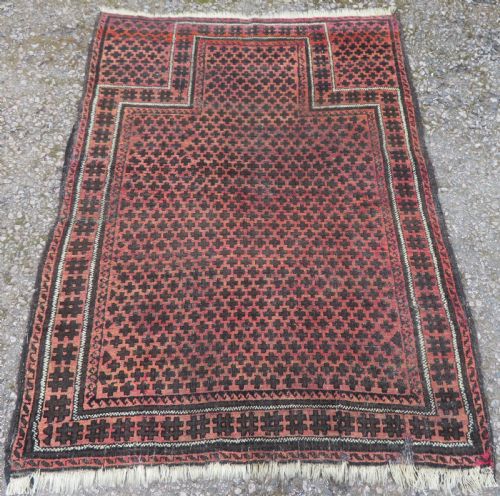
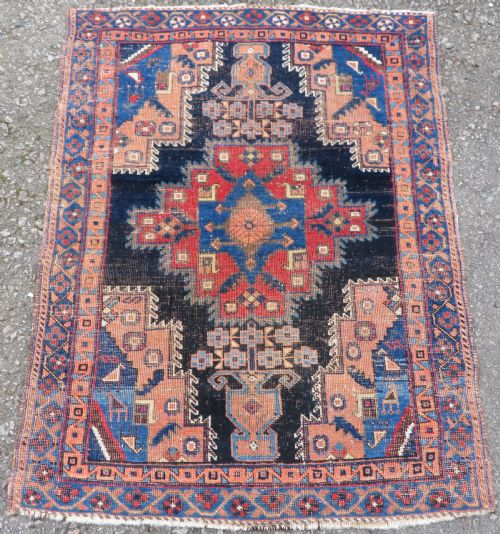
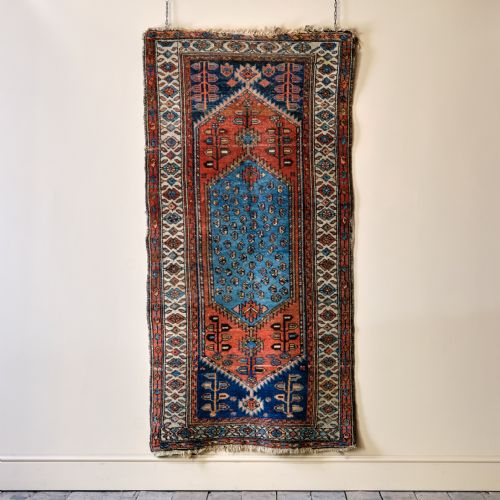
A vintage persian hearth rug is a smaller format floor covering designed for placement in front of a fireplace, originating from workshops and villages across the region. When searching this phrase, buyers encounter pieces from the late nineteenth century through the early twentieth century, spanning periods such as nineteen hundred and nineteen twenty.
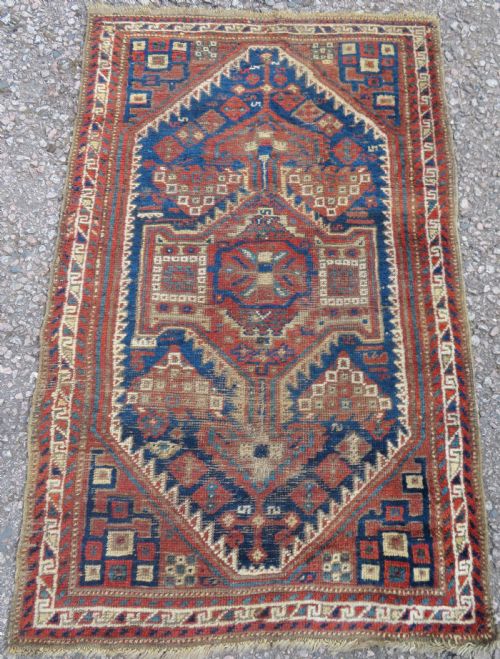
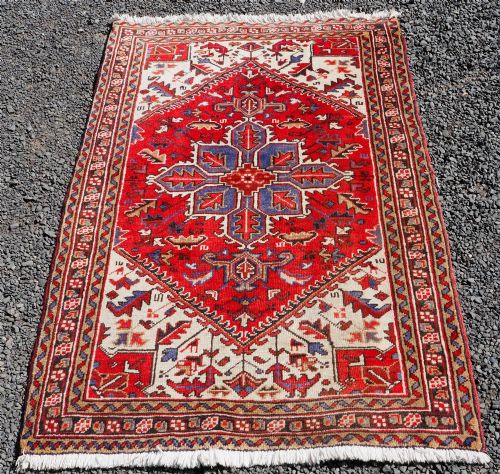
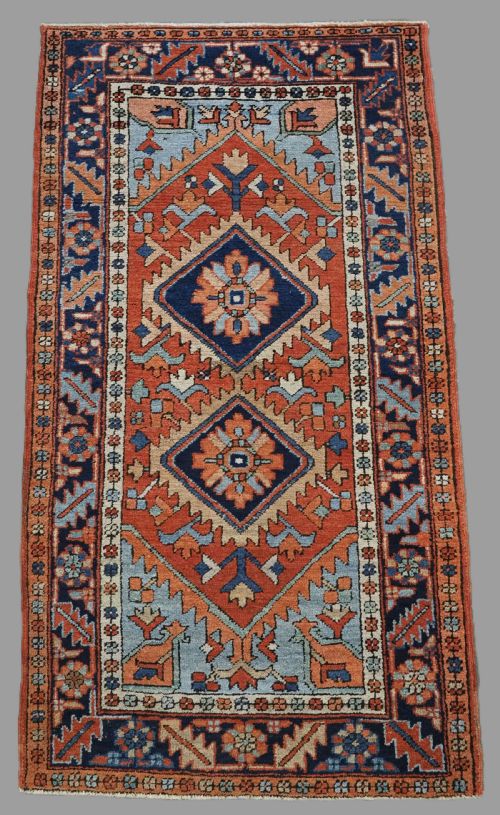
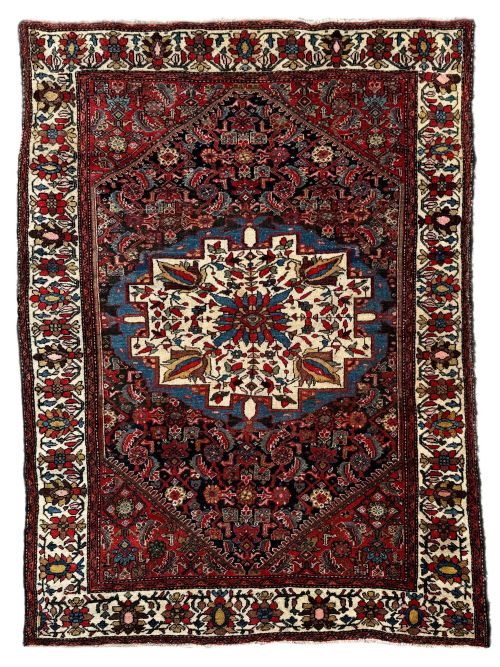
The selections on this page showcase distinct regional identities, including Heriz, Karaja, Bidjar, Tabriz, and Malayer styles. These formats vary from tribal village productions to finer city weaves, frequently utilising wool pile on cotton foundations.
How they were made
Weavers constructed these rugs using hand-knotted wool pile secured to cotton warp threads, employing traditional upright looms in domestic or workshop settings. Hand-spun wool provides the surface resilience and tactile depth characteristic of these older floor coverings.
Natural and early aniline dyes impart rich tones to the wool, yielding rust backgrounds, deep blues, and intricate multicoloured motifs. The resulting textiles combine durable structural foundations with dense pile designed for heavy use.
Some tribal pieces display intentionally mismatched borders where the weaver ran out of yarn and improvised.
What varies in quality
Knot density and precision of the design execution distinguish finer examples from simpler village work, dictating how sharply geometric or curvilinear patterns render. Tighter knotting supports intricate medallion and boteh layouts with crisp outlines.
The condition of the wool pile and integrity of the foundation warps determine the longevity of each piece. Thick, resilient pile and uniform wear reflect superior initial materials and careful preservation over generations.
The Vintage Persian Hearth Rug Glossary
- Boteh
- A stylised almond or paisley motif representing a seed, bush, or flame, frequently repeated across field designs.
- Warp
- The vertical foundation threads running the length of the rug, onto which individual knots are tied.
- Pile
- The upright yarn surface of the rug formed by the cut ends of knots, providing texture and colour.
- Medallion
- A central ornamental design element placed in the middle of the rug field, common in Heriz and Tabriz styles.
Vintage Persian Hearth Rug: Frequently Asked Questions
Where should I place a hearth rug?
These smaller format rugs fit comfortably directly in front of a fireplace opening, protecting flooring while adding focal colour.
They also work well in narrow hallways, cloakrooms, or as accent pieces beneath small occasional tables.
How do I identify a Heriz rug?
Heriz rugs display bold geometric medallions, corner spandrels, and sturdy structures woven with resilient wool.
Their distinctive architectural layouts set them apart from more fluid floral city carpets.
Are these rugs suitable for daily foot traffic?
Thick wool pile and sturdy cotton foundations allow these pieces to endure everyday household use in moderate traffic areas.
Regular rotation distributes wear evenly across the surface over time.
What does village rug mean?
Village rugs are woven by independent artisans in rural communities rather than large urban manufactories.
Their designs often reflect local weaving traditions and spontaneous creative choices rather than strict cartoon templates.