


Vintage Pearl Necklet
A vintage pearl necklet brings together lustrous pearls and precious metals, offering a classic elegance that collectors value for its timeless appeal.
Vintage Pearl Necklet
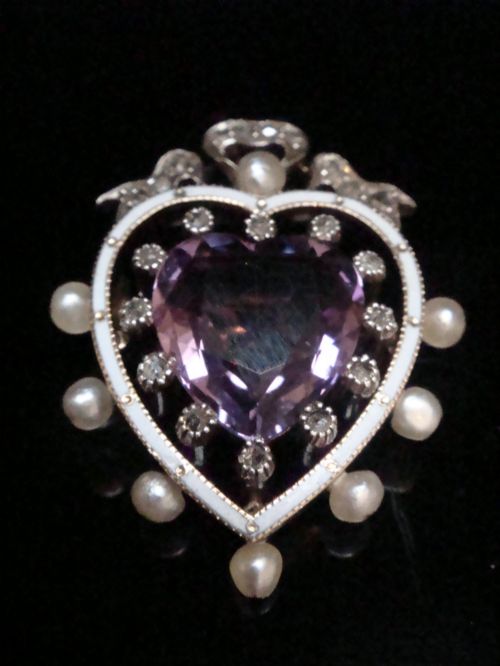
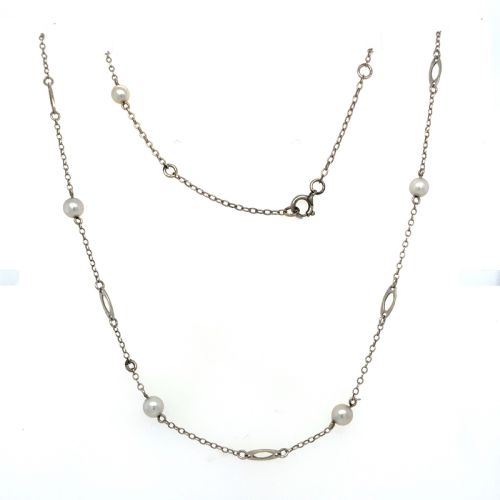
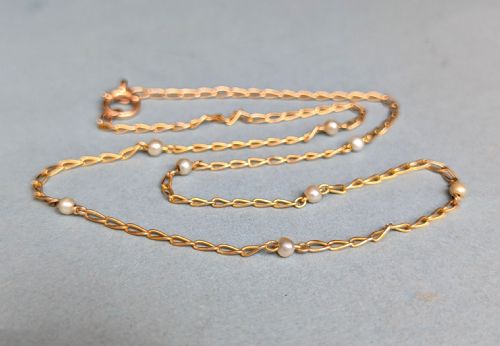
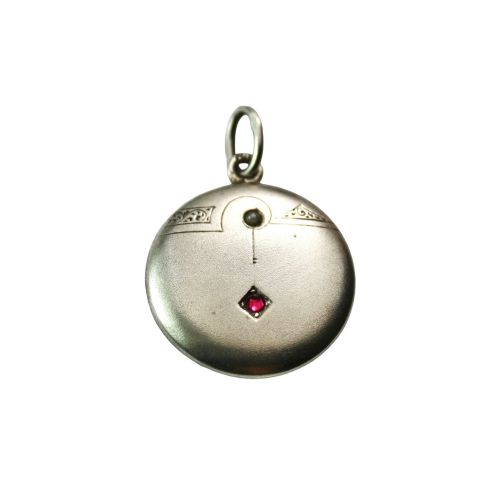
A vintage pearl necklet encompasses delicate bead strands, gem-set pendants, and gold chains featuring pearls, reflecting periods from the Victorian era through the mid-century. Pieces appearing on this page range from simple seed pearl necklaces to elaborate diamond, platinum, and gold pendant designs.
Makers and designers from the Edwardian, Art Nouveau, and Art Deco periods created these necklets utilising characteristic motifs like garlands, geometric lines, and natural forms. Buyers will frequently encounter gold and silver mountings paired with pearls, often enhanced by coloured stones such as amethyst, peridot, opal, and citrine.
Materials and construction
Craftsmen built these pieces using varied grades of yellow and white gold, platinum, and silver, frequently combining pearls with precious gems and enamel work. Seed pearls and saltwater pearls were carefully selected and strung or mounted into gold settings, pendants, and decorative chains.
Techniques range from delicate wirework in Edwardian garland necklaces to the striking geometric settings of Art Deco platinum and diamond pieces. Enamel work and guilloche detailing appear alongside stone settings to create depth and colour within the precious metal frameworks.
Materials paired with pearls across these selections include diamonds, opals, amethysts, rubies, citrines, enamel, and paste stones.
Factors determining quality
Quality in these necklets rests upon the fineness of the metalwork, the matching and lustre of the pearls, and the integration of any accompanying gemstones. Superior pieces demonstrate meticulous hand-craftsmanship in their settings and secure, balanced arrangements of stones and pearls.
The sophistication of the period design, whether intricate Edwardian filigree or clean Art Deco lines, distinguishes finer examples. Preservation of delicate elements like enamel and seed pearl arrangements also marks out higher-grade pieces.
The Vintage Pearl Necklet Glossary
- Seed pearl
- A very small, naturally formed pearl, often drilled and strung together in quantity or used as delicate accents in antique jewellery. These tiny pearls define many Edwardian and Victorian floral and garland designs.
- Lavalier
- A pendant necklace featuring a central gemstone or drop suspended from a finer chain, popular during the Edwardian and Art Nouveau periods. They often incorporate pearls alongside coloured stones like amethyst and peridot.
- Guilloche
- An intricate mechanical engraving technique used on metal, frequently covered with translucent enamel to create a patterned background. This technique appears on high-end Edwardian pendants.
- Jugendstil
- The German variant of Art Nouveau, characterised by flowing, organic lines and natural motifs found in jewellery from the early twentieth century. Pieces from this movement often feature silver paired with pearls and paste stones.
- Saltwater pearl
- A pearl formed within marine oysters, prized for its deep lustre and natural origin in antique pieces. These pearls are typically found in high-value Edwardian and Art Deco mountings.
Vintage Pearl Necklet: Frequently Asked Questions
How do I date a pearl necklet?
Dating relies on the materials, metal purity marks, and stylistic clues inherent in the design. Edwardian pieces often show platinum or high-karat gold with garland motifs, while mid-century items display different catch mechanisms and stone pairings.
Examining the construction of the clasp and the cut of any accompanying gemstones provides further confirmation of the period of manufacture.
Were pearls cultured or natural?
Antique pieces from the Victorian and Edwardian eras typically feature natural pearls, both saltwater and freshwater varieties. Cultured pearls became more prominent in later twentieth-century pieces.
Gemological testing or careful examination of the drill holes and lustre helps determine the origin of the pearls.
How should I care for antique pearls?
Pearls are organic gems that require gentle handling, avoiding contact with perfumes, cosmetics, and harsh cleaning chemicals. Storing them separately prevents scratching from harder gemstones.
Frequent wear benefits pearls by exposing them to natural skin oils, but silk threads should be periodically checked for strength.
What is a seed pearl necklace?
A seed pearl necklace consists of numerous tiny pearls strung together or integrated into gold and silver frameworks. These were especially popular during the late nineteenth and early twentieth centuries.
The delicate scale of the pearls creates a subtle, light texture quite distinct from single large pearl strands.