



Vintage Pearl Band
A vintage pearl band combines lustrous pearls with precious gold settings, offering a timeless piece of historical jewellery for everyday wear.
Vintage Pearl Band
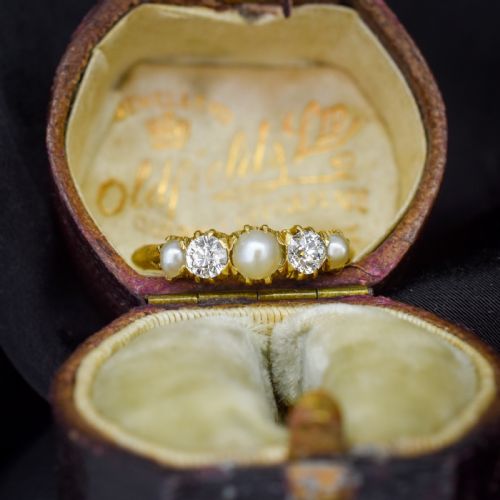
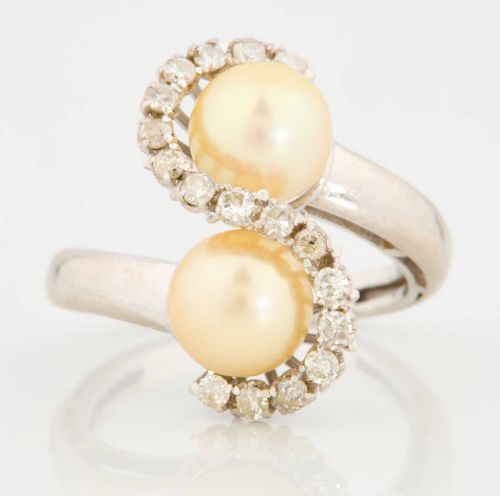
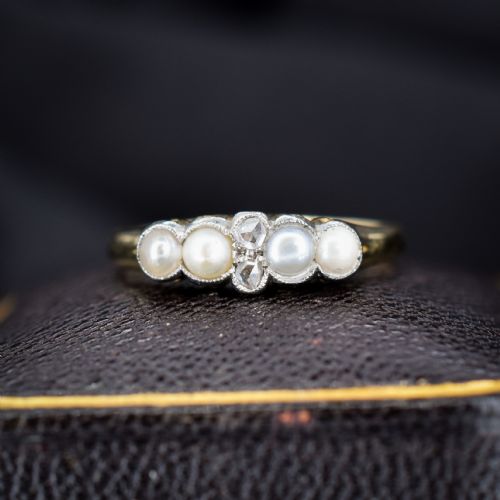
A vintage pearl band comprises rings featuring pearls set within gold or platinum bands, spanning periods from the Georgian era through to the mid twentieth century. Buyers seeking a vintage pearl band will encounter Edwardian and Victorian designs most frequently among these listings.
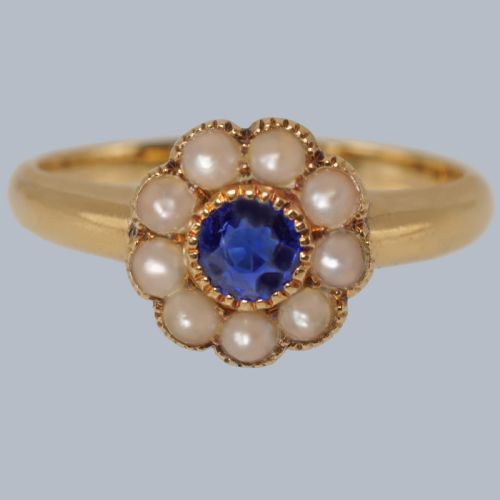
These pieces encompass various ring forms including simple multi-stone bands, complex cluster arrangements, and stacking harem rings. The materials paired alongside the pearls include diamonds, turquoise, rubies, and emeralds.
Origins trace across diverse historical periods such as the nineteenth century, Art Deco era, and mid-century decades. Each piece reflects the distinct aesthetic of its original period of manufacture.
How they were made
Goldsmiths utilised metals such as 9ct, 15ct, and 18ct yellow, rose, and white gold, alongside platinum and silver settings. These precious metals were shaped into bands, multi-row structures, and intricate cluster mounts.
Gemstones including old-cut diamonds, rose-cut diamonds, split pearls, and cultured pearls were hand-set alongside coloured stones like turquoise, rubies, and sapphires. Craftspeople secured these elements using traditional claw, flush, and bezel techniques appropriate to the period.
Some Victorian mourning rings cleverly incorporated human hair beneath seed pearls to remember departed loved ones.
What varies in quality
The choice of precious metals, ranging from lower-carat golds up to 18ct gold and platinum, establishes the baseline quality of the mounting. Heavier, more substantial shank construction indicates superior original manufacture.
The selection and matching of pearls and accompanying gemstones like diamonds, emeralds, and rubies determine the visual refinement of the piece. Superior examples feature well-matched, lustrous pearls and finely cut stones secured in intricate configurations.
The Vintage Pearl Band Glossary
- Split pearl
- A natural pearl that has been sliced in half to allow flat setting against a metal backing. These are frequently found in Victorian multi-stone and cluster designs.
- Old-cut diamond
- A vintage diamond cutting style characterised by a small table, high crown, and open culet. These stones were shaped by hand before modern symmetrical cutting standards developed.
- Harem ring
- A multi-row stacking ring band where several individual bands join together. They often incorporate alternating rows of pearls, diamonds, and coloured gemstones.
- Blister pearl
- An organic pearl that forms attached to the inner shell of an oyster rather than within the tissue. This results in a domed shape with a hollow or flattened back.
- Rose-cut diamond
- A vintage diamond cut featuring a flat base and a domed crown with triangular facets that resemble an unopened rosebud. This style produces a soft, shimmering brilliance.
Vintage Pearl Band: Frequently Asked Questions
How do I clean a pearl ring?
Pearls are organic gems that require gentle care, meaning harsh chemical dips or ultrasonic cleaners should be avoided entirely. Wipe them softly with a damp cloth after wearing to remove oils and residues.
Store your ring separately from harder diamond or gemstone jewellery to prevent scratching the delicate pearl surface. Regular gentle maintenance preserves the natural lustre of the piece for years to come.
Are these pearls natural or cultured?
The listings include both natural pearls and cultured pearls depending on the era and piece. Victorian and Edwardian examples frequently feature natural pearls or split pearls, while mid-century items often utilise cultured varieties.
Examining the period helps determine the likely origin of the pearls used in the band. Each type reflects the technological availability of its specific decade of production.
Can these rings be resized easily?
Resizing depends significantly on the specific design of the band, particularly whether gemstones encircle the entire circumference. Simple gold shank styles usually allow for straightforward adjustment by a skilled jeweller.
Complex multi-row harem rings or heavily patterned antique bands present greater challenges during alteration. Consult a professional jeweller who understands historical mounting techniques before attempting any modifications.
What metals were used historically?
Victorian and Edwardian makers commonly utilised 15ct gold and 18ct yellow or rose gold for their ring bands. Platinum and white gold appear more frequently in later Edwardian, Art Deco, and mid-century designs.
Early Georgian pieces occasionally feature lower carat options such as 9ct gold alongside specialised materials like hairwork. Hallmarks and metal testing help identify the exact alloy composition used in each specific band.